
Last updated October 9, 2026
Non-destructive entry first, always - and we re-key Schlage, Kwikset, and Baldwin locks on the spot while you watch
You get a price before we start. It does not change when we arrive. No surprises.
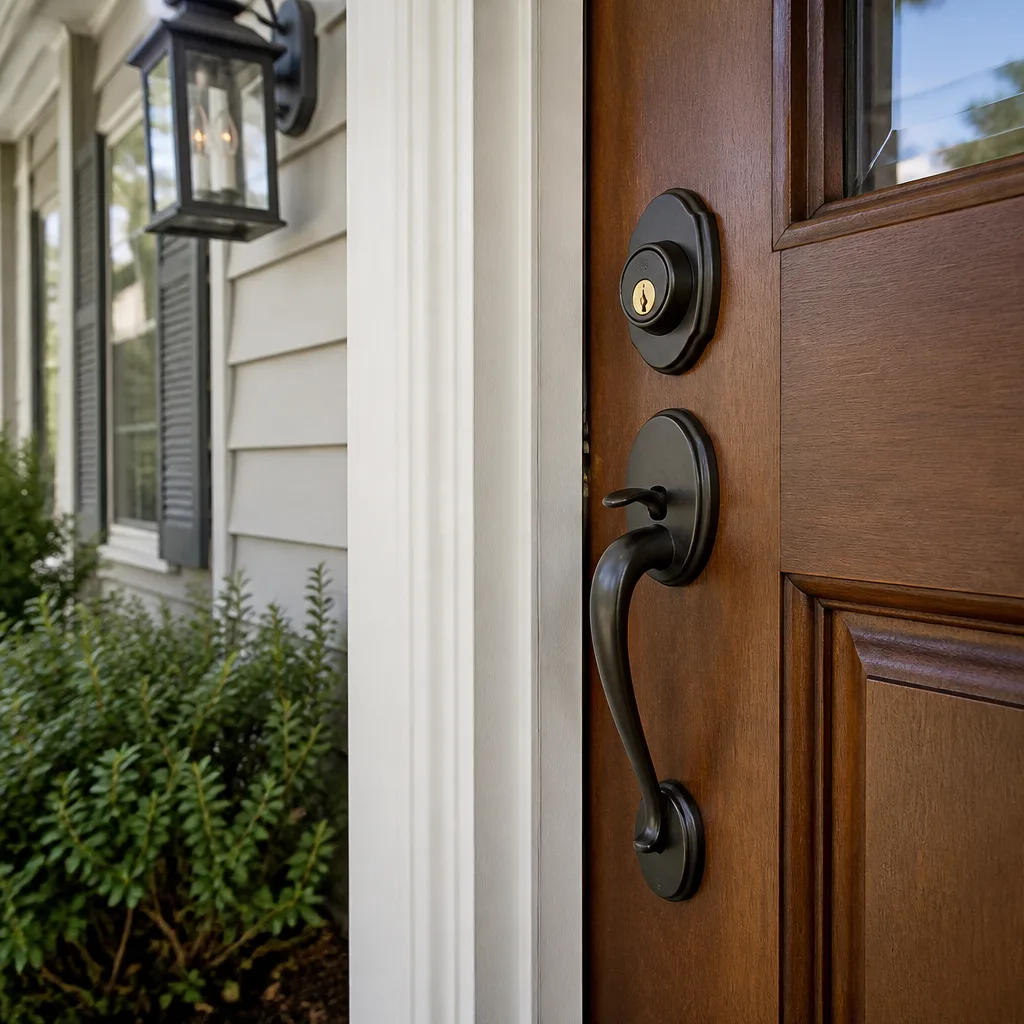
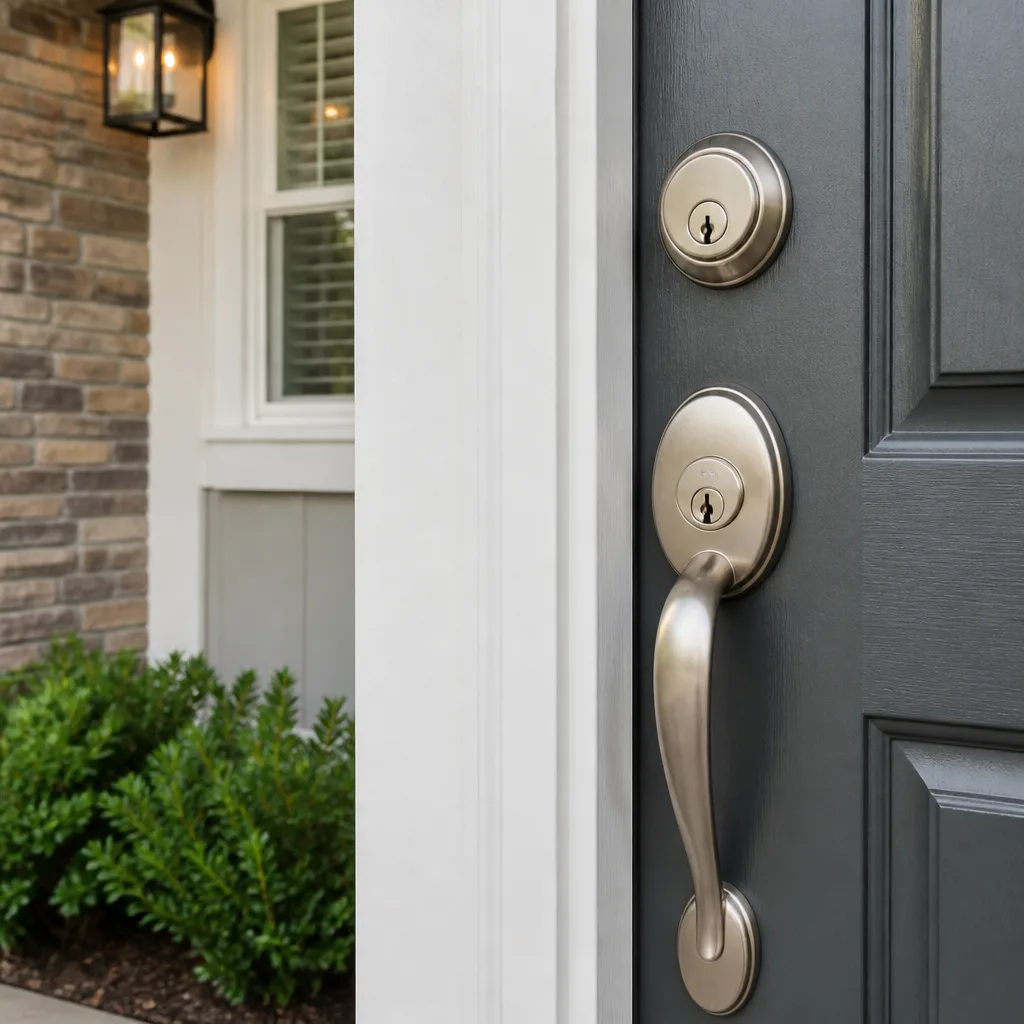
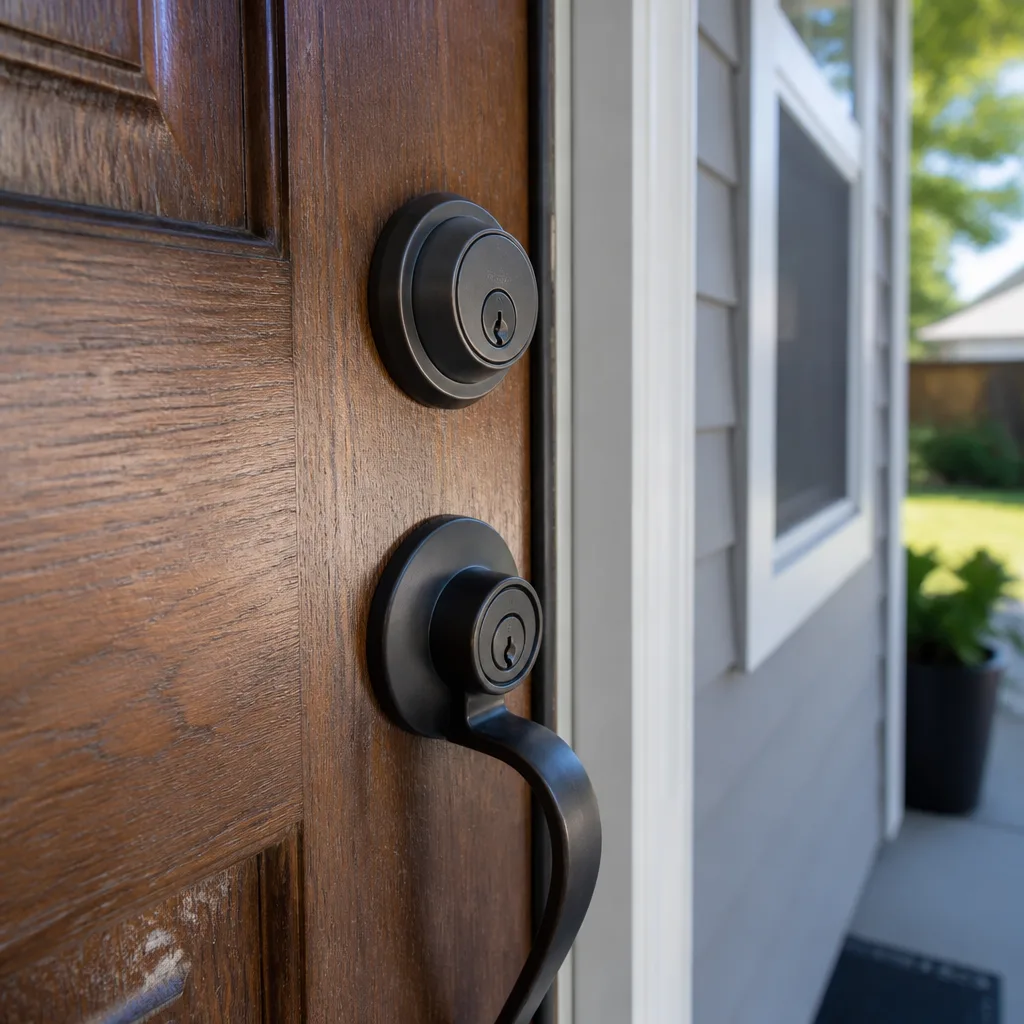
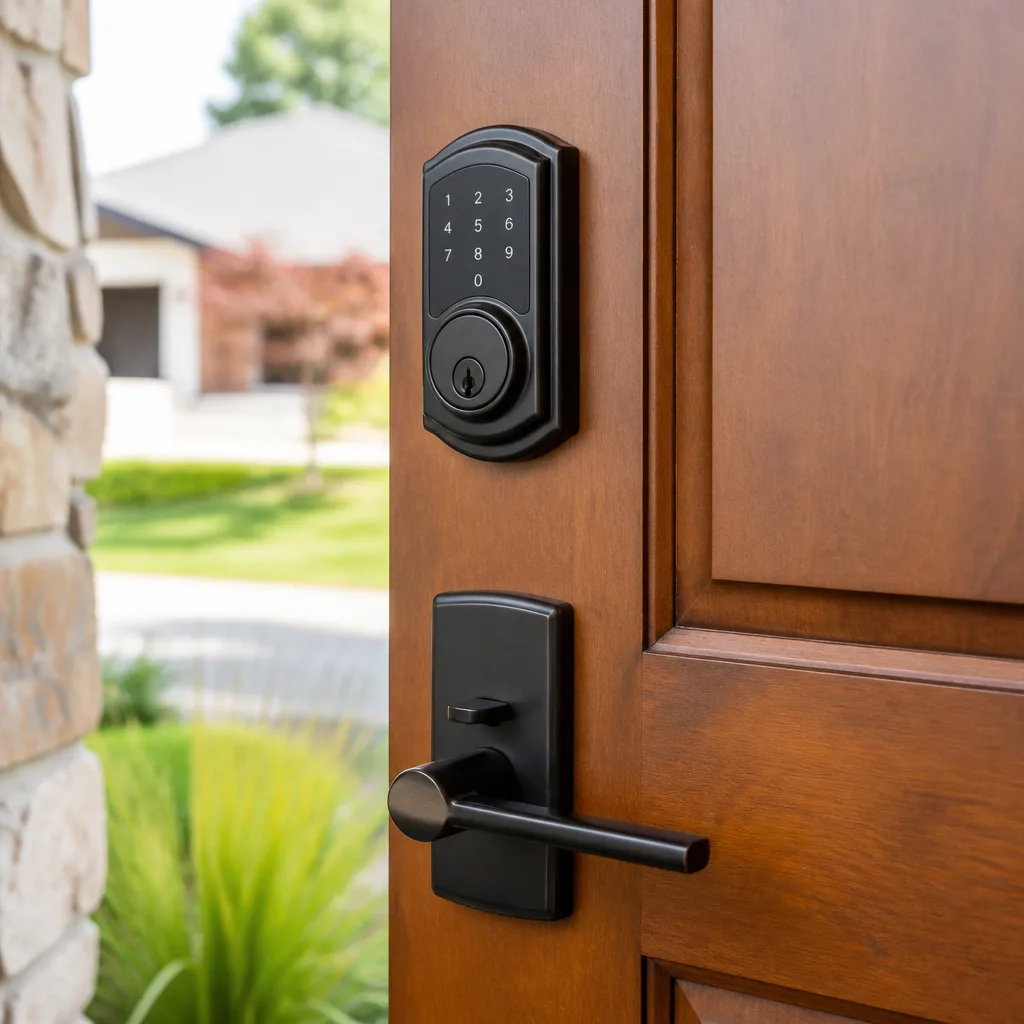
 Before
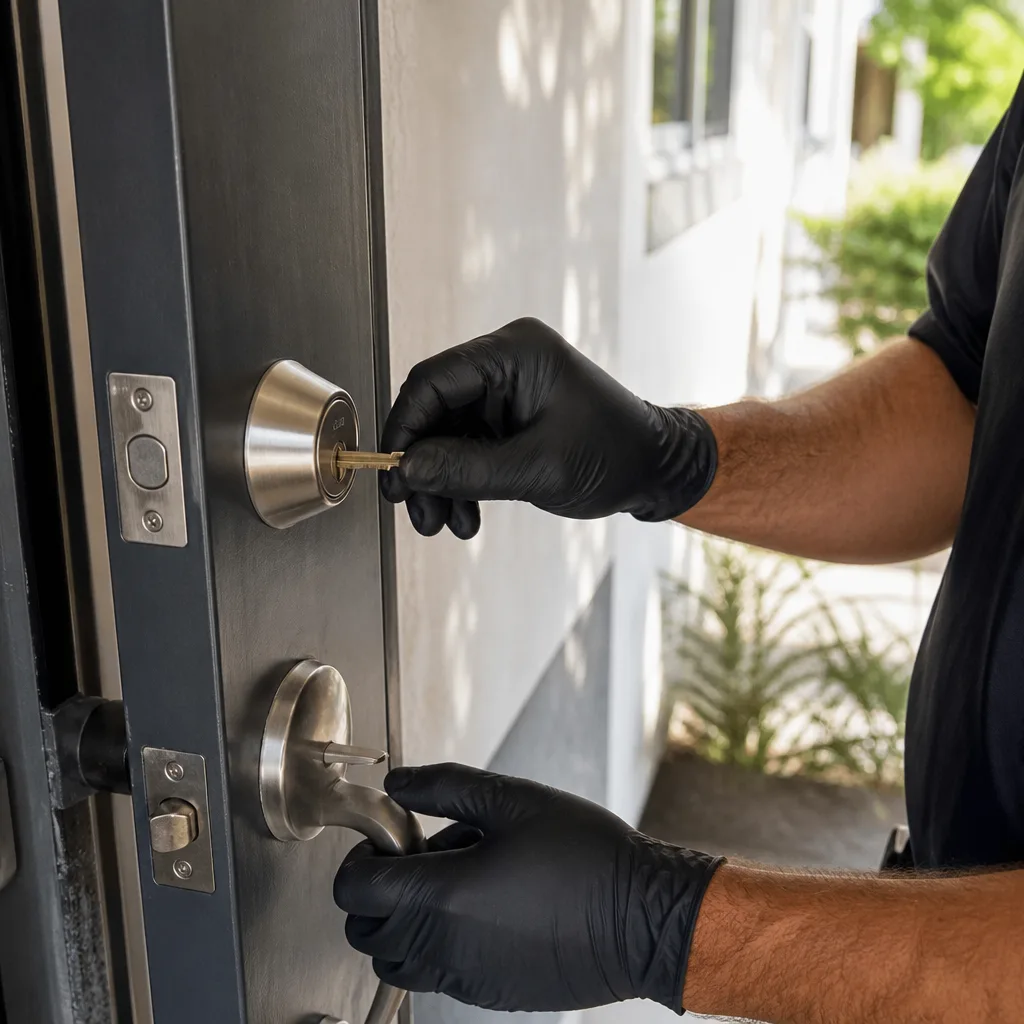 After
AfterRekey Locks Maintenance Checklist for Los Angeles Homeowners
A rekeyed cylinder costs roughly $20 to $50 in labor. A single residential burglary in Los Angeles averages about $2,400 in losses, not counting the weeks it takes to feel safe in your own home again. LAPD data has shown for years that most home break-ins involve a door that was either left unlocked or still operated on keys that had not been updated after a tenant, contractor, or housekeeper turned over. What most Los Angeles homeowners miss is that rekeying is not a move-in chore you do once and forget. It is a maintenance task with a schedule, and the people who follow a Rekey Locks Maintenance Schedule: What to Do and When are the ones who do not become statistics.
Quick Answer
Rekeying should happen on a regular schedule, not just after a move. Check your locks every six months against the six trigger events below, rekey immediately after any tenant or contractor turnover, and have a locksmith inspect your cylinders once a year. In Los Angeles, a standard rekey runs $20 to $50 per cylinder in labor, and a full house takes one to two hours.
Table of Contents
- The Six Trigger Events That Always Prompt a Rekey
- How to Inventory Your Cylinders Before Calling a Technician
- Rekeying vs. Master Key Systems: What Actually Applies to You
- Los Angeles-Specific Rekey Obligations: Tenants, Airbnb, and HOAs
- A 12-Month Lock Maintenance Calendar for Los Angeles Homes
- What Rekeying Actually Costs in Los Angeles
- What You Can Check Yourself and What You Should Not Touch
- Common Mistakes to Avoid
- When to Call a Professional
- Frequently Asked Questions
- The Bottom Line
The Six Trigger Events That Always Prompt a Rekey
Most Los Angeles homeowners rekey once, when they buy, and then never think about it again. That single decision is how keys walk. After a decade of running service calls across Los Angeles, we can tell you the same pattern shows up in the data and on the ground: nobody breaks a lock to get in. They use a key that was never taken back.
Here are the six events that should trigger a rekey, every time, no exceptions:
- Move-in. You do not know how many copies of the existing key were cut by the previous owner, their kids, their cleaner, or their contractor. Rekey every exterior cylinder the day you take possession.
- Move-out, when you are the landlord. Los Angeles has one of the highest tenant turnover rates in the country. If you own a rental in Koreatown, Echo Park, or the Valley, a rekey between tenants is not optional. It is written into most lease agreements and it protects you from liability if an old tenant returns.
- Contractor access. If you handed a key to a general contractor, a plumber, an electrician, or a housekeeper, that key is out. Rekey when the job ends. Do not trust a promise to return a key. Keys cost $2 to duplicate at any hardware store on Sunset.
- Relationship change. Divorce, a roommate leaving, a caregiver transition. Rekey the day the person moves out. This is the trigger homeowners are most likely to skip because it feels personal. It is not personal. It is key control.
- Lost key. If a key with your address attached to it goes missing, rekey. Do not wait to see if it turns up.
- Lock repair. If a locksmith has to disassemble a cylinder to repair it, have them rekey it while it is open. The marginal cost is low and you get a fresh keyway.
Run through this list every six months. Set a calendar reminder. Most Los Angeles homeowners find at least one trigger they missed.
How to Inventory Your Cylinders Before Calling a Technician
Before you call a locksmith to rekey locks in Los Angeles, walk your property and write down what you actually have. This takes ten minutes and it changes the phone conversation completely. You will know whether you are being sold hardware you do not need, and you will be able to get an accurate price over the phone.
Here is the inventory method we recommend to every homeowner:
- Count every exterior door. Front door, back door, side door, garage door, and the door from the garage into the house if there is one. Each door has at least one cylinder.
- Read the brand name on the face of the lock. Most Los Angeles homes carry Schlage or Kwikset on the entry doors. Higher-end homes in the hills often have Baldwin or Yale. The name is stamped or etched on the trim plate.
- Note whether the deadbolt and the doorknob use the same key. This matters. If they are keyed separately, you have two cylinders per door, not one.
- Check if any lock uses a high-security keyway. If your key says Medeco or Mul-T-Lock on it, or the keyway is noticeably narrower, say so on the phone. Not every locksmith carries the pins for those systems.
- Count interior locks that use a key. Bedroom doors, office doors, storage closets. They usually do not need rekeying unless they protect valuables, but know they exist.
A typical single-family home in Los Angeles has three to five exterior cylinders. A typical townhouse or condo has one to two. When you call with that count in hand, a locksmith should be able to give you a firm price range before they dispatch anyone.
Rekeying vs. Master Key Systems: What Actually Applies to You
Rekeying and re-pinning to a master key system are two different jobs. Los Angeles homeowners confuse them constantly, and the confusion leads to paying for work they do not need.
Rekeying means changing the internal pin stacks in an existing cylinder so it operates on a new key. The old keys stop working. The hardware stays in the door. The cylinder is not replaced. This is the job you want after a move, a lost key, or a contractor turnover. Labor runs $20 to $50 per cylinder in Los Angeles, depending on the lock brand and your location.
Re-pinning to a master key system means building a hierarchy into the cylinders themselves. One key opens every door, while individual keys open only their assigned door. This is what a landlord with a fourplex in Highland Park needs, or what a business with an office suite in a downtown Los Angeles building needs. It costs more than a standard rekey because each cylinder is pinned twice: once for the master key, once for the change key. A high-security master key system using Medeco cylinders runs several hundred dollars per door, and it is worth it if you are managing multiple units or staff with tiered access.
Here is the plain test: if you only need old keys to stop working, you need a rekey. If you need different people to open different doors with different keys, you need a master key system. In our experience, about nine out of ten residential callers in Los Angeles need the first one.
For a full walkthrough of what rekeying involves on a Los Angeles home, see our guide to rekeying locks in Los Angeles.
Los Angeles-Specific Rekey Obligations: Tenants, Airbnb, and HOAs
Los Angeles is not one housing market. It is a patchwork of single-family homes, rent-controlled apartments, short-term rentals, and HOAs, each with different obligations around key control. Here is what applies where you live.
High tenant-turnover neighborhoods. In areas like Westlake, Koreatown, and parts of the Valley, rental turnover is constant, and the city is a tenant-protection jurisdiction. If you are a landlord, rekeying between tenants is not just good practice. It is a liability shield. If an old tenant enters the unit because you never rekeyed, you have a problem that your insurance company will not be sympathetic about. Document every rekey. A written invoice with the date and the cylinders rekeyed is a record you want.
Airbnb and short-term rental obligations. Los Angeles requires short-term rental hosts to register with the city and follow a set of safety rules, and while the city does not mandate rekeying between guests, the platform standards do. Hosts in Venice, Silver Lake, and the Hollywood flats regularly change keys or codes between stays. If you operate an Airbnb in Los Angeles with a physical key rather than a smart lock, rekey at least quarterly. Guests copy keys. That is not a hypothetical in this city.
HOA common-area locks. If you own a condo in a Los Angeles building, the main entry gate, the mailroom, and the parking gate are usually the HOA’s responsibility, not yours. But the door to your unit is yours. The complication is drilling hardware: some Los Angeles HOAs restrict the type and finish of door hardware you can install. If you need to replace a lock rather than rekey it, check your HOA’s architectural guidelines first. A rekey, which leaves the visible hardware untouched, almost never requires HOA approval.
A 12-Month Lock Maintenance Calendar for Los Angeles Homes
Rekeying is one task in a physical security cycle. Here is the schedule we give our residential locksmith clients in Los Angeles, combining rekey checks with the mechanical maintenance that keeps locks working.
| Month | Task | What You Are Looking For |
|---|---|---|
| January | Full lock audit | Walk every door. Test every key. Note any lock that sticks, grinds, or wobbles. |
| March | Trigger-event check | Run through the six trigger events above. Any contractor, tenant, or caregiver turnover since the last check? Rekey. |
| April | Strike plate and hinge torque | Check the screws on every strike plate and hinge. In older Los Angeles homes, the screws are often 3/4-inch, which is too short to reach the framing. Upgrade to 3-inch screws. |
| June | Deadbolt throw test | Close the door and throw the deadbolt. It should extend fully into the strike plate without pressure. If it does not, the door frame has shifted. Heat and soil movement in Los Angeles do this over time. |
| August | Key duplication audit | Count how many keys exist for each cylinder. If you do not know, rekey. That is the whole rule. |
| October | Weatherstrip and cylinder lubrication | Dry California air and coastal salt air both affect locks. Lubricate cylinders with a graphite or Teflon spray, never WD-40, which gums up over time. |
| December | Holiday access review | House sitters, pet sitters, visiting family. Anyone who keys in during the holidays triggers a rekey when they leave. |
This calendar is not hypothetical. It mirrors the service calls we run all year in Los Angeles. The March trigger check catches more missed rekeys than any other step.
What Rekeying Actually Costs in Los Angeles
Pricing in this trade is famously opaque, so let us put numbers on the page. In Los Angeles, a standard rekey runs $20 to $50 per cylinder in labor, plus a service call fee that varies by location and time of day.
- Single cylinder rekey, standard Schlage or Kwikset: $20 to $40
- Deadbolt and knob keyed together, one door: $35 to $65
- Full house, three to five cylinders, standard hardware: $90 to $250
- High-security cylinder rekey (Medeco, Mul-T-Lock, Abloy): $35 to $75 per cylinder
- Master key system re-pin, per cylinder: $50 to $120
These are labor ranges, not finished quotes. If a locksmith gives you a price and then shows up and tries to raise it, that is a bait switch, and it is the single biggest reason Los Angeles homeowners hesitate to call. You should be quoted a firm price over the phone before anyone is dispatched, and that price should be the price on the invoice. At Ridley Locksmith & Security home, our standing offer is simpler than that: a written price before any work starts, no call-out surcharge added on arrival, and a written guarantee covering the rekey for one full year. If the rekey fails inside that year, we return at no charge. That is the 365-Day Done Right Promise, and it is not a verbal assurance. It is a document.
For commercial properties or buildings with multiple units, see our guide to commercial locksmith services in Los Angeles.
What You Can Check Yourself and What You Should Not Touch
There is a line between maintenance and locksmithing. A homeowner should cross it rarely and carefully.
What you can do yourself:
- Test every lock monthly. A key that turns hard or a deadbolt that does not throw fully is an early warning.
- Tighten hinge and strike plate screws. This is carpentry, not locksmithing.
- Lubricate cylinders with the correct product. Graphite for dry climates, Teflon spray for coastal homes.
- Track your keys. Write down how many copies exist and who holds them.
What you should not do yourself:
- Disassemble a cylinder. The pin chambers are spring-loaded, and pins fly. Once pins are out of order, the lock is scrap.
- Drill out a lock. It looks easy in videos. What you cannot see is the damage to the door and frame when the bit walks.
- Rekey without the right pin kit. A rekey done with mismatched pins leaves the cylinder vulnerable to a bump key, and you will not know until someone uses one.
- Work on a high-security cylinder. Medeco and Mul-T-Lock cylinders use angled and telescoping pins. We see DIY attempts on these end with a destroyed cylinder that now costs $150 to replace, when a $40 rekey would have done it.
The rule we give Los Angeles homeowners: inspect, test, and document on your own. Disassemble never.
Common Mistakes to Avoid
- Rekeying only the front door. The back door off the alley in a Los Angeles bungalow is the door thieves use. If you rekey the front and skip the back, you have not rekeyed your house.
- Assuming new construction means no rekey. Builders key all homes in a tract alike during construction. In new developments from the Valley to Long Beach, your neighbor’s key may open your door on day one.
- Confusing rekeying with replacing. A rekey costs a fraction of a new lockset. If the hardware is in good shape, rekey it. If a locksmith tries to sell you new hardware before looking at what is installed, call someone else.
- Ignoring the garage. The pedestrian door into the garage and the door from the garage into the house both get keys. Many Los Angeles homeowners forget the garage entirely.
- Never rekeying after a break-in. This sounds obvious. It is not. We have been called to rekey homes in Los Angeles months after a burglary because the homeowner replaced the broken window but never changed the locks.
- Skimming on high-traffic rentals. If you run a short-term rental in Los Angeles and use physical keys, quarterly rekeys cost less than one bad guest incident.
When to Call a Professional
Call a locksmith when a trigger event has occurred and you cannot verify key control, when a lock sticks or grinds after lubrication, when a deadbolt does not throw fully, or when you have lost track of how many keys exist. Call if you have been broken into. Call if a tenant leaves. Call if a contractor finishes the job. This is not emergency-only work. The entire point of a maintenance schedule is to call before you need someone at midnight.
Ridley Locksmith & Security offers Rekey Locks services with free estimates throughout Los Angeles. Call (956) 275-7388, and a live person answers, 24 hours a day, 7 days a week, not a voicemail and not an answering service.
Frequently Asked Questions
A standard rekey in Los Angeles runs $20 to $50 per cylinder in labor, with a full house of three to five cylinders totaling $90 to $250 for standard Schlage or Kwikset hardware. High-security cylinders like Medeco or Mul-T-Lock cost more. The price you are quoted on the phone should be the final price; at Ridley Locksmith & Security it is a written price before any work begins. Call (956) 275-7388 for a free estimate.
Yes. Rekeying changes the internal pins inside the existing cylinder so the old key no longer operates the lock, while the visible hardware stays in the door. It is the same cylinder, same finish, same deadbolt: only the internal configuration changes.
There is no fixed mileage. Rekey immediately after any trigger event: move-in, move-out, contractor access, relationship change, lost key, or lock repair. Beyond that, run a trigger check every six months and rekey if anything changed. If you host short-term rentals in Los Angeles, rekey physical keys at least quarterly.
Generally no. Rekeying after a move or a tenant turnover is considered routine maintenance, not a covered loss. After a burglary, some Los Angeles homeowner’s policies will reimburse rekeying as part of the theft claim, but the amount is often below the deductible. Call your insurer to confirm before you wait on the work. The burglary is when you need the rekey done fastest, not when you want to be on hold.
You can buy a rekey kit at a hardware store, but the kits are brand-specific and unforgiving. A cylinder assembled with mismatched pins leaves the lock vulnerable to bumping or key bypass, and you will not know until it fails. If you want it done right without buying a pin kit you will use once, call a professional. The labor cost is modest and you get a written guarantee.
If you live in a condo or gated community in Los Angeles, your HOA likely controls the building entry and common areas, while your unit door is yours to rekey. The complication is that some HOAs require the building master key to still work in your unit door for emergencies. If your HOA uses a master key system, tell the locksmith before the rekey so the cylinders are re-pinned without breaking the building’s key hierarchy.
The Bottom Line
Rekeying is cheap. A burglary is not. The difference between the homeowners who rekey on schedule and the ones who call us after a break-in is rarely luck. It is a calendar reminder and a habit of documenting who holds keys. In Los Angeles, where tenant turnover is constant and contractors come and go, the math is straightforward: run a trigger check every six months, rekey immediately after any person with a key leaves your life, and get a written price and a written guarantee every time. If you are not sure where your key count stands, assume it is too high and call.
Ridley Locksmith & Security
Part of the Garrison Partners family, operating to The Garrison Standard since 2007.
Call (956) 275-7388 for a free rekey estimate in Los Angeles. A live person answers, 24 hours a day, 7 days a week. Written price before any work starts. Written guarantee covering the rekey for one full year.
Written by Drew Kowalski, Owner at Ridley Locksmith & Security, serving Los Angeles since 2007. Read more guides & resources on our blog.