
Last updated October 9, 2026
Non-destructive entry first, always - and we re-key Schlage, Kwikset, and Baldwin locks on the spot while you watch
You get a price before we start. It does not change when we arrive. No surprises.
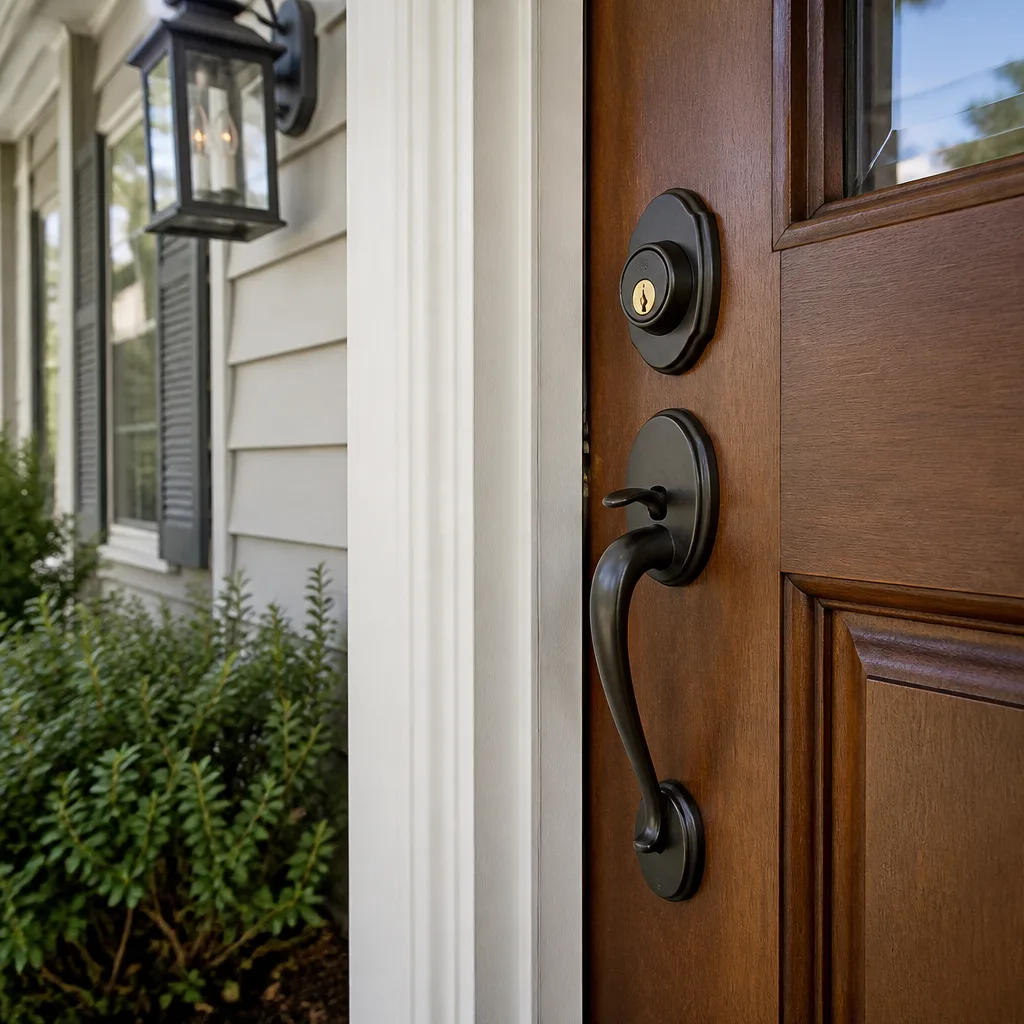
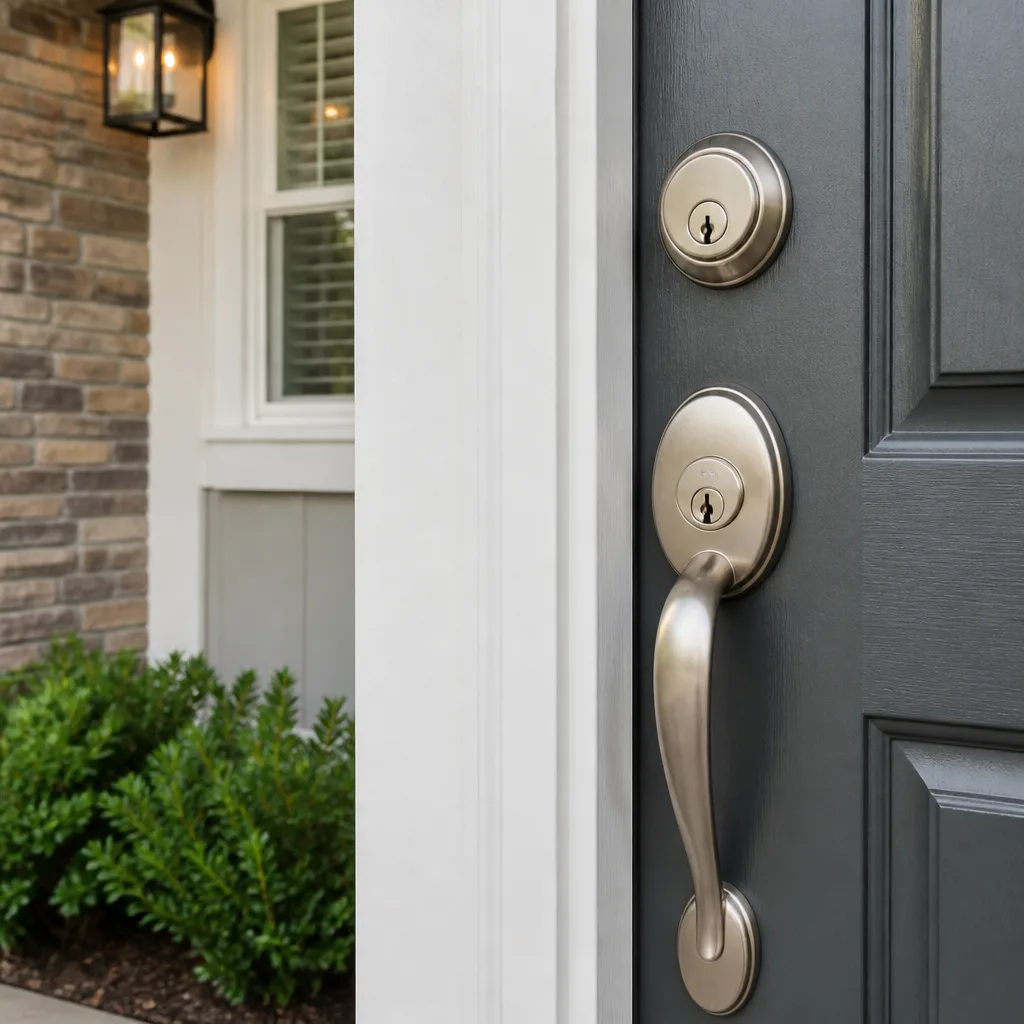
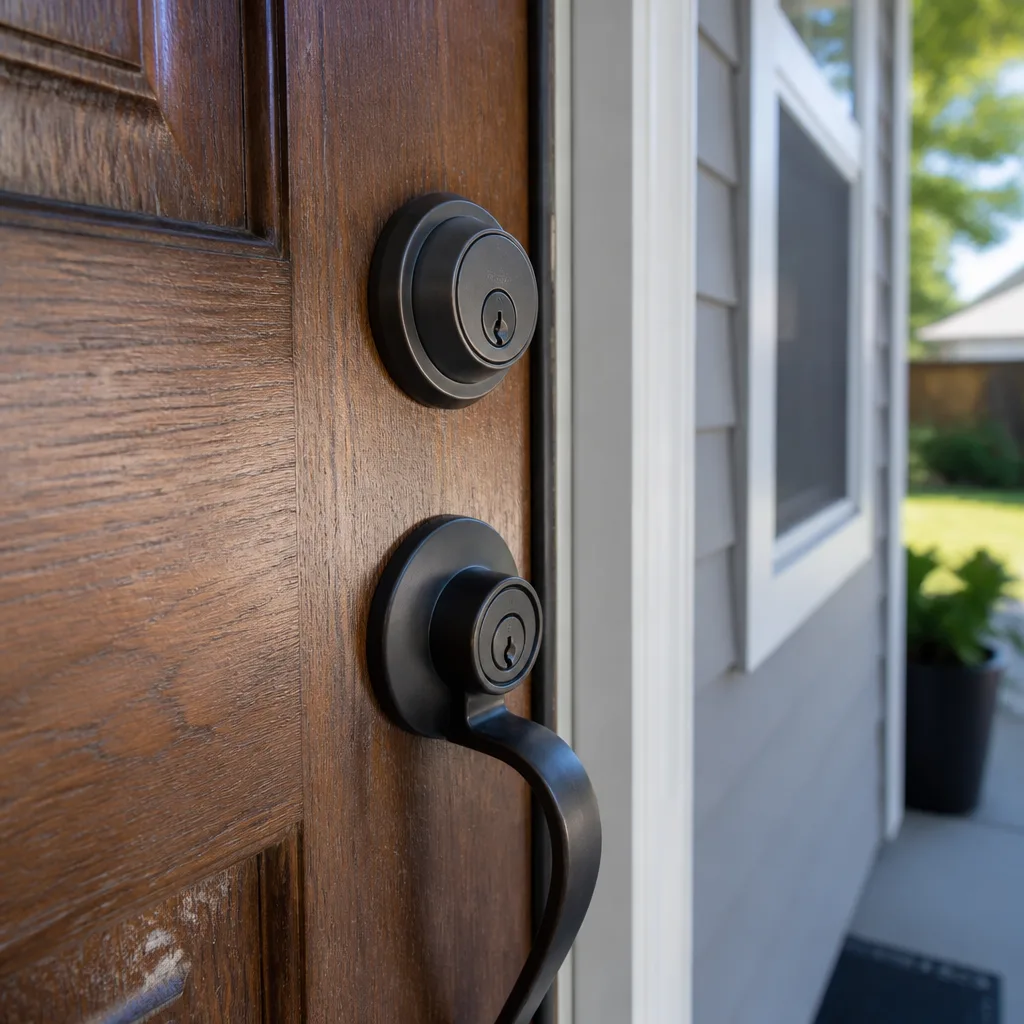
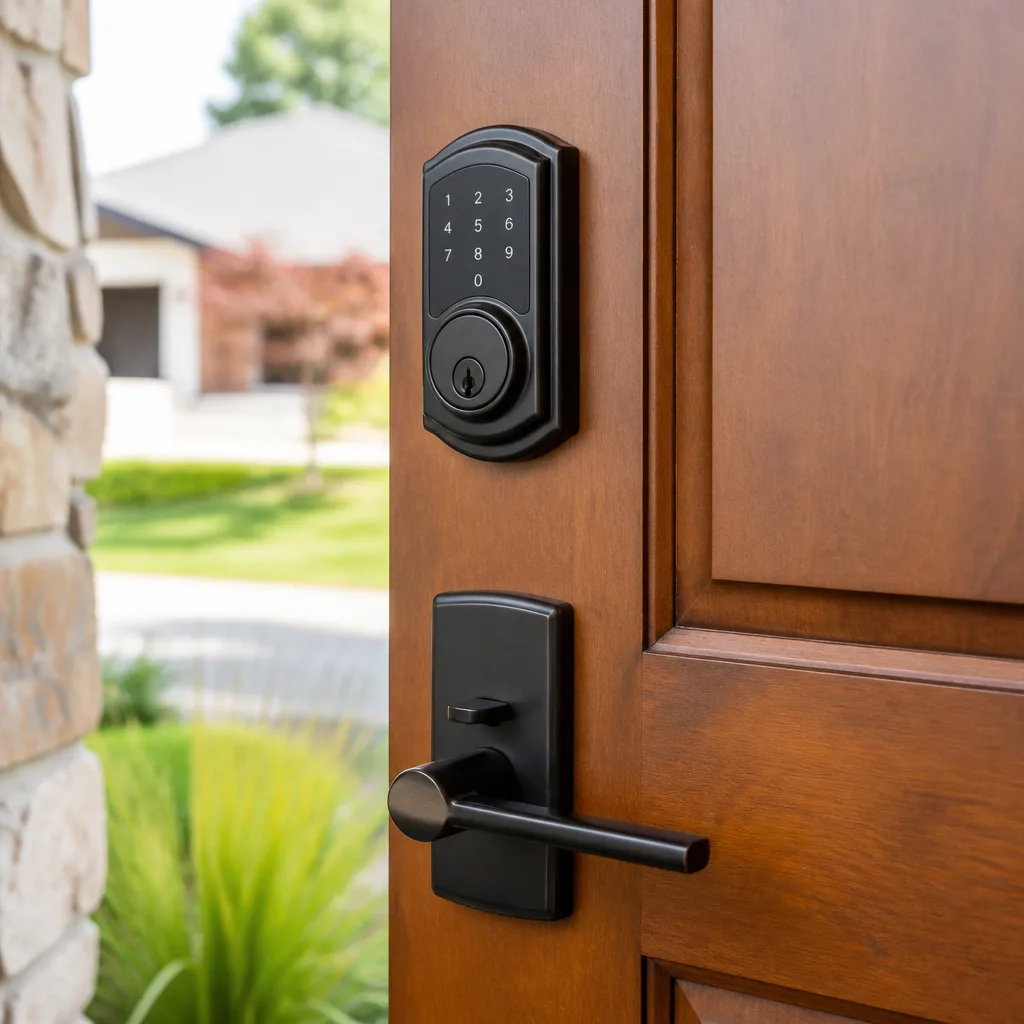
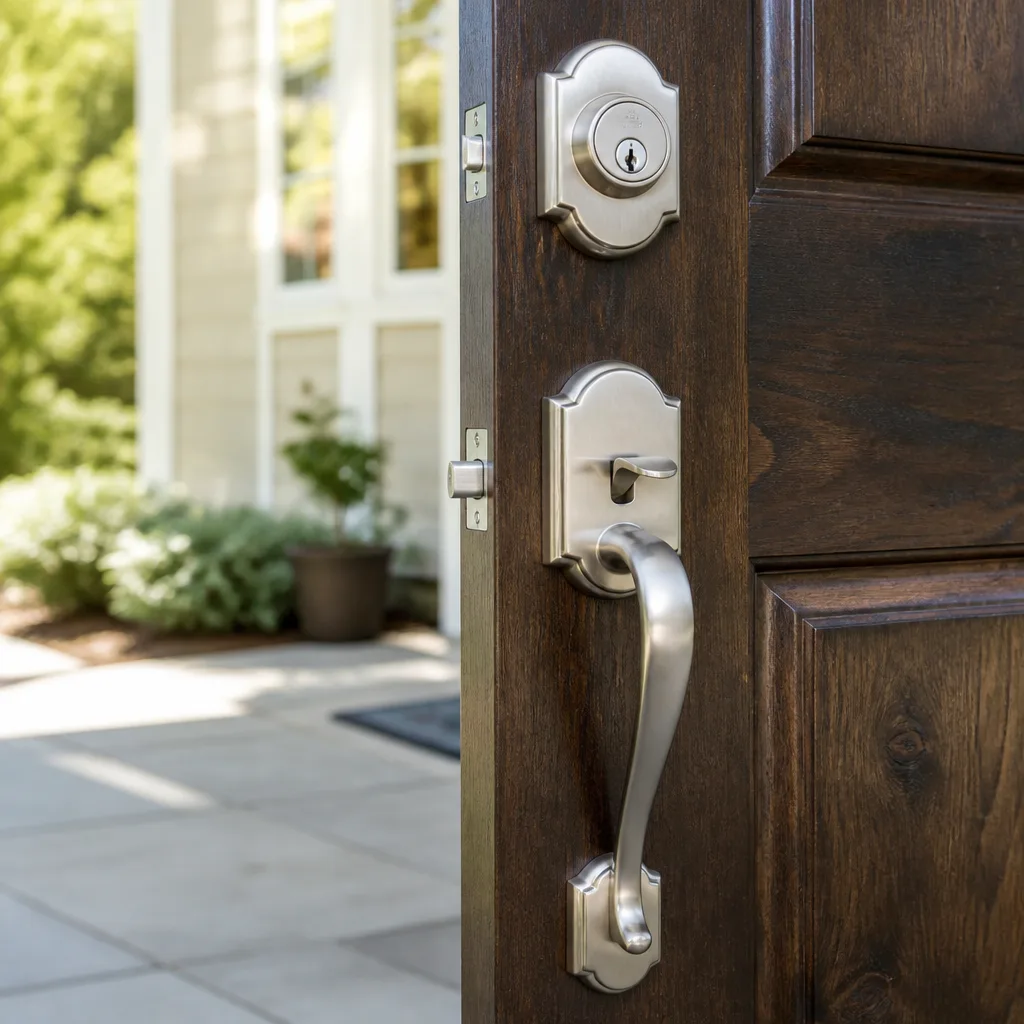
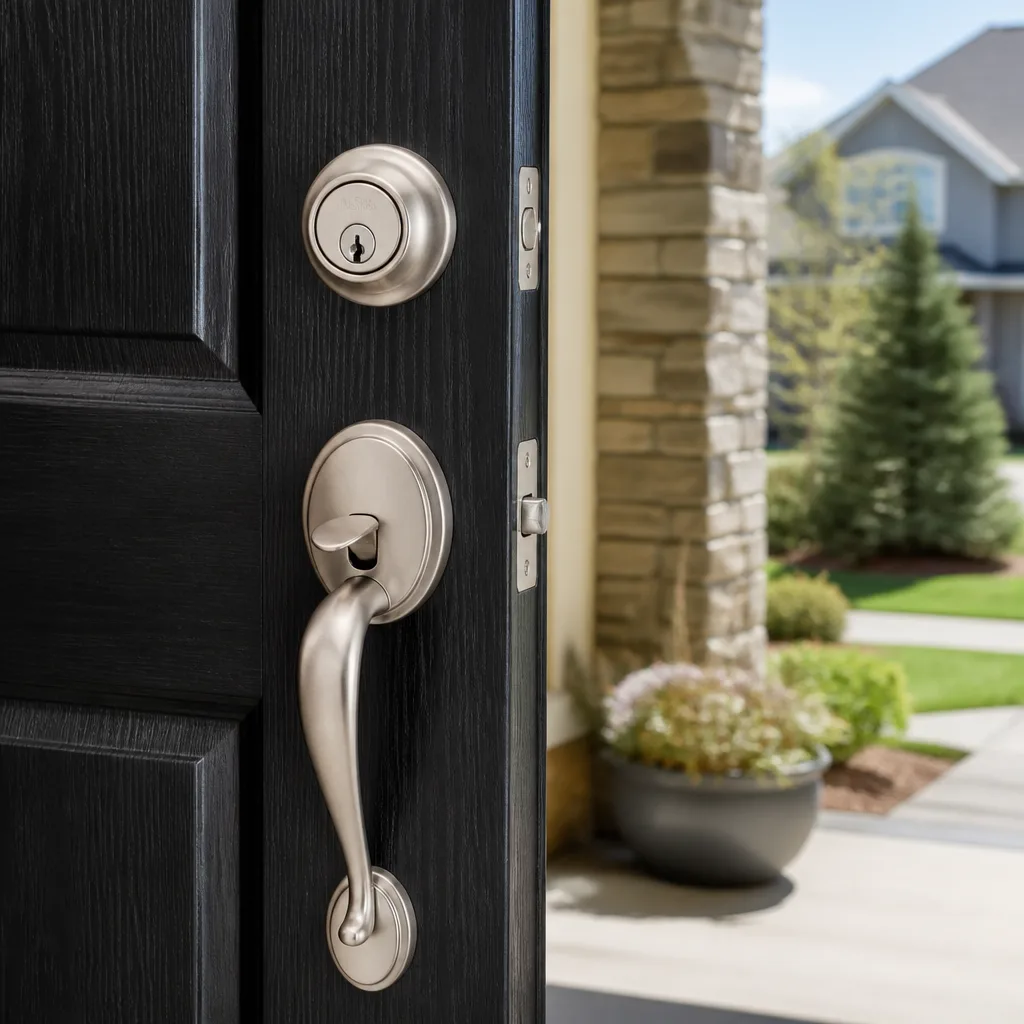
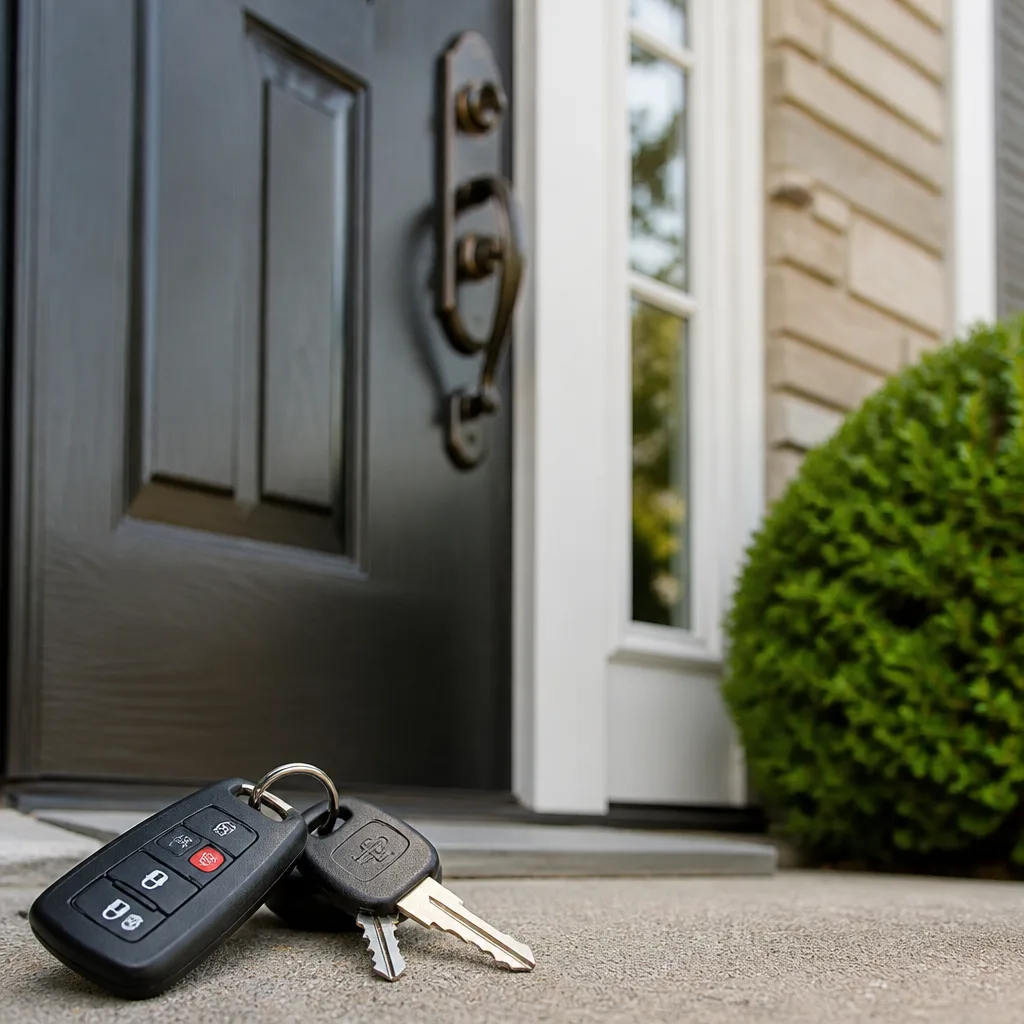
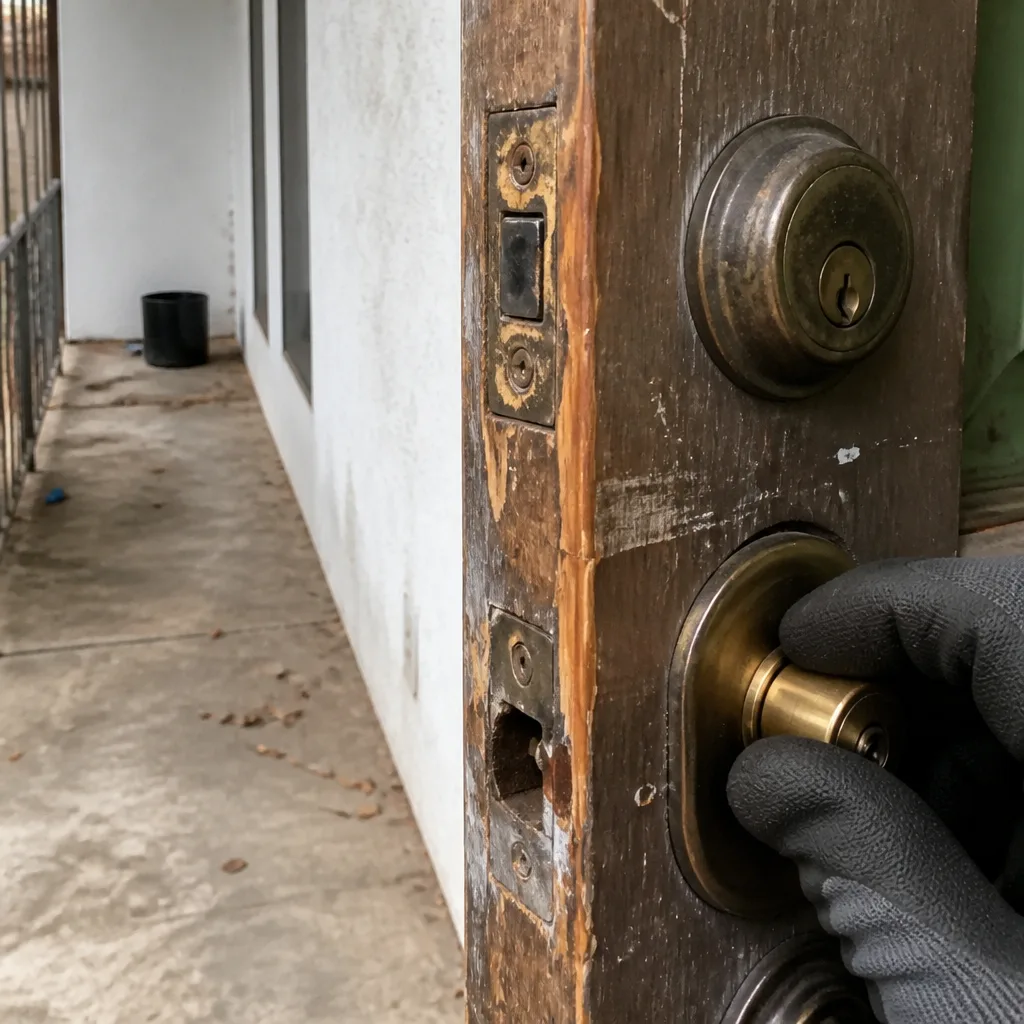 Before
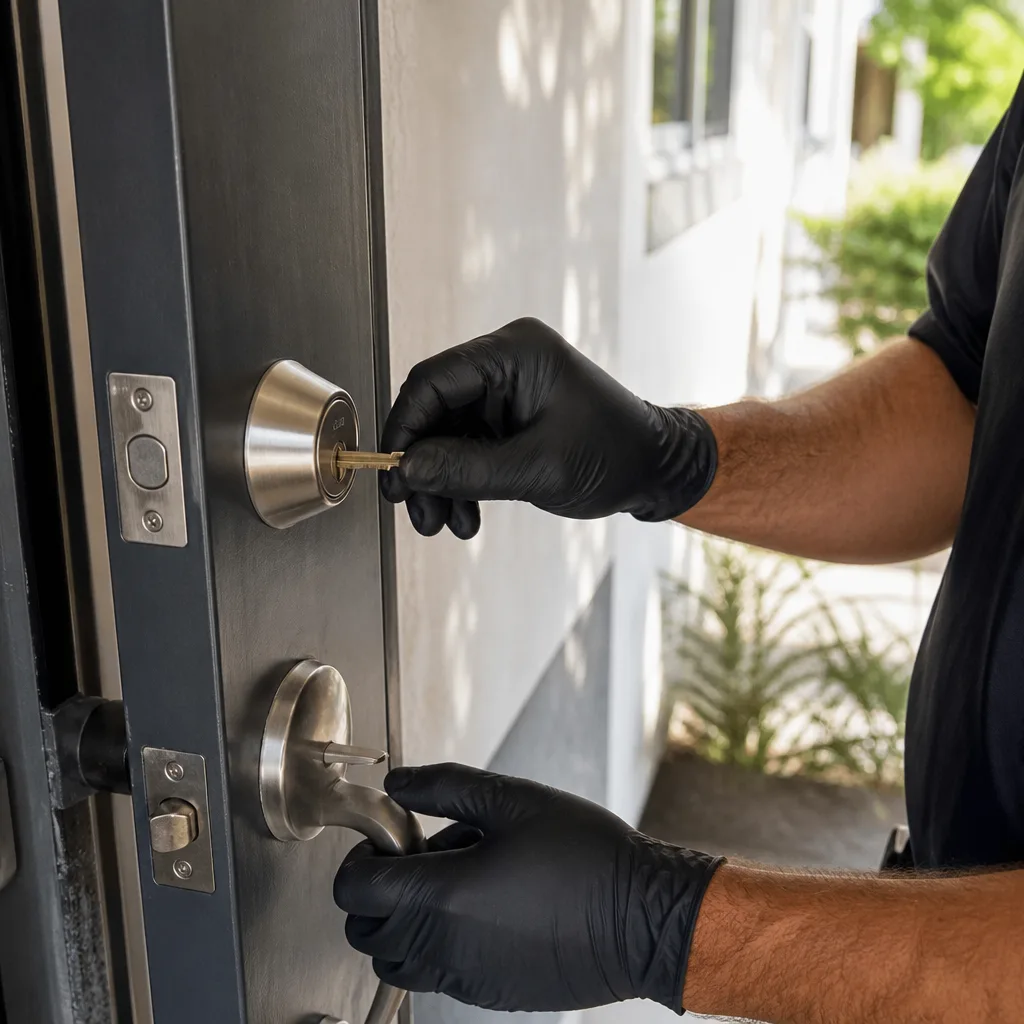 After
AfterRekey Locks Warning Signs Every Homeowner Should Know
A key that suddenly turns more smoothly than it used to is not a sign of a well-lubricated lock. It can be evidence of picking or impressioning activity that has worn the pin stacks into an easier shear line. Most homeowners in Los Angeles treat rekeying as something you do after a key goes missing, but the lock itself gives physical warnings long before that moment. Our Rekey Locks services help you act on those warnings before they become security breaches. This guide teaches you to read the hardware on your doors the way a locksmith does, so you can act before a warning sign becomes a break-in.
Quick Answer
The clearest signs you need to rekey your locks are physical changes to the cylinder: scratch patterns around the keyway, a key that catches at a point it previously didn’t, or resistance that appears in one direction only. Situational triggers count too, such as a contractor who held your key for several days or a lockout where a locksmith you didn’t choose accessed the cylinder. For a complete timeline of when to act, see our Residential Locksmith Maintenance Schedule: What to Do and When. If the keyway itself has been forced or the plug face is compromised, rekeying alone won’t fix it, and the lock needs replacement.
Table of Contents
- Physical Cylinder Symptoms That Signal Manipulation
- Situational Triggers Most Homeowners Dismiss
- How to Check Whether a Lock Has Been Shimmed
- When Key Resistance Means More Than Lubrication
- When Warning Signs Point to Replacement, Not Rekeying
- What Los Angeles Homeowners Face That Others Don’t
- Common Mistakes to Avoid
- When to Call a Professional
- Frequently Asked Questions
- The Bottom Line
Physical Cylinder Symptoms That Signal Manipulation
A lock cylinder records everything that happens to it. When someone attempts to pick, bump, or impression a lock, the hardware shows it. You just need to know what to look for. In our work across Los Angeles, we see the same physical markers on cylinders that have been tampered with, and they are consistent enough to list.
The keyway is the most honest part of the lock. Under normal use, it shows only light, uniform wear from inserting and removing a key. When a picking tool or bump key has been used, the wear pattern changes. Here are the physical signs we tell homeowners to look for:
- Scratch patterns around the keyway. Picking tools drag across the face of the plug and leave fine, arcing scratches that radiate out from the keyhole. Normal key insertion leaves scratches too, but they follow the same repeated path. Tool marks wander.
- Abnormal key resistance in one direction only. A healthy cylinder offers roughly equal resistance when you turn the key left and right. If the key turns easily clockwise but binds noticeably counterclockwise, the shear line may have been altered.
- A key that catches at a point it previously didn’t. Your muscle memory knows your own door. If the key suddenly hangs up mid-turn and needs a jiggle to continue, a pin stack may have been displaced.
- Visible deformation around the plug face. A screwdriver or pry tool forced against the cylinder leaves a flattened or distorted edge. This is not subtle, and it is not cosmetic.
- Fine metal powder in or below the keyway. Impressioning tools shave microscopic metal from the pins. Over time, that metal dust appears as a dark ring around the keyhole.
None of these signs prove a burglary, and we are careful not to overstate that. But they do prove the cylinder has been worked in a way that everyday use does not explain. When we find them, we recommend rekeying regardless of whether the homeowner has a specific security concern. The cost is low compared to what a compromised lock can lead to. A rekey in Los Angeles typically runs between $85 and $180 for a standard residential cylinder, and the process takes under an hour.
Situational Triggers Most Homeowners Dismiss
Not every warning sign is visible on the hardware. Some of the most important indicators are events that homeowners write off as normal. In Los Angeles, where home renovation projects, short-term rentals, and multi-unit living are common, these situations come up more often than most people realize.
A contractor who held your key for more than a few days
A handyman, painter, or general contractor typically needs key access during the workday and returns the key when the job ends. If a contractor held your key for a week or longer, that is enough time to have a copy cut at any hardware store for a few dollars. Most contractors are honest, but the risk is not about their honesty. It is about the extra copies that now exist and the number of hands they may have passed through. Rekeying after any extended contractor access is a low-cost reset that closes the entire question.
A lockout that required a locksmith you didn’t choose
When you are locked out of your home in Los Angeles, you call whoever shows up first. The technician gains access through your lock, which means they have had direct contact with the cylinder. Most locksmiths are professionals, but a technician you have never vetted may not be. Worse, if the lockout involved a national dispatch call center, the person at your door may be a subcontractor you cannot trace. If you cannot identify the company that sent them, treat the lock as compromised and rekey it.
A prior tenant whose forwarding address is unknown
If you bought a home, inherited a rental property, or took over a lease in Los Angeles, and the previous occupant’s current address is not on file, you have no way to know who holds keys to the property. This is the single most common rekeying trigger we see, and it is among the most ignored. Landlords in particular routinely skip rekeying between tenants, assuming the departed tenant returned all copies. That assumption holds no weight if you cannot confirm it.
A roommate or relationship that ended on poor terms
Emotional situations create security blind spots. If someone moved out under strained circumstances, even a verbal promise to return keys does not answer the question of copies. Rekeying removes the ambiguity entirely.
A lost key that was later found
This one surprises people. If you lose a key and it turns up weeks later, you may assume the problem resolved itself. The issue is that you do not know where it was during those weeks, who may have copied it, or whether it was picked up and returned by someone with access to a key machine. A key that left your control should be treated as a lost key, permanently, even after it is back in your hand.
How to Check Whether a Lock Has Been Shimmed
Shimming is a bypass technique that leaves no exterior trace at first, which is why it is a blind spot for most homeowners. A shim is a thin piece of metal, often cut from a soda can or commercial shim stock, inserted between the latch and the strike plate to retract the bolt without touching the cylinder. It can also be used inside certain cylinder types to bypass the pin stack through the plug’s retaining position.
Because shimming does not involve the keyway, the visible cylinder shows no scratches, no tool marks, no wear. What it leaves behind is mechanical damage that builds over time. Here is how to check for evidence of shimming on your own door, in order:
- Inspect the strike plate gap. Look at the gap between the door edge and the frame where the latch enters. A shim has to pass through this gap. Repeated shimming leaves fine vertical scoring along the inner surface of the strike plate.
- Test the deadbolt throw. With the door open, turn the thumb turn to extend the bolt. It should travel fully and stop with a firm mechanical click. A bolt that feels soft at full extension, or that stops short of where it used to, may indicate the internal tailpiece has been worked loose by shimmed retraction.
- Listen for grinding. Shimmed retraction sometimes deforms the internal cam, which can produce a faint grinding when you operate the thumb turn or key. This is not a sound a healthy lock makes.
- Check the latch alignment. If the latch now sits slightly high or low relative to the strike plate opening, the door may have been flexed during a bypass attempt. This is particularly common on older wood-frame homes in Los Angeles’ mid-century neighborhoods, where door frames have decades of settling behind them.
Shimming deforms the shear line over time in cylinder-bypass cases, which means the lock becomes progressively easier to defeat. A cylinder that has been shimmed repeatedly cannot be restored by rekeying alone if the plug bore has been widened. In those cases, the cylinder must be replaced. A residential locksmith in Los Angeles can inspect the cylinder and tell you which fix is appropriate.
When Key Resistance Means More Than Lubrication
Los Angeles homeowners often assume a key that is getting harder to turn means the lock needs oil. Sometimes that is true. Dry climate conditions in Southern California, combined with dust that works into exterior locks, do create legitimate lubrication issues. But the diagnostic question that separates a maintenance issue from a security issue is simple: whose key is affected?
If every key is getting harder to turn
When an original key and its known copies all begin to bind, the cylinder is accumulating debris or the internal pins have worn. This is typically a lubrication or cleaning issue. A locksmith can service it, and rekeying may only be needed if the pins are so worn that the bitting tolerance has degraded. This is maintenance, not security.
If only your key is harder to turn while a copied key works fine
This is the red flag most people overlook. Your original key wears down with use over the years, shaving fractions of a millimeter off each cut. A freshly copied key from a key machine, however, is cut to factory specifications. If the lock operates smoothly with a new copy but binds with your worn original, the lock has drifted toward accepting the copies, not your own key.
That drift is called bitting tolerance drift. It means one of two things. Either a bad copy is in circulation, cut slightly off-spec but close enough to work, or someone has attempted to impression the lock and left the pins seating differently than they should. In either case, the lock should be rekeyed to a fresh pin configuration, and all current keys should be discarded. We have seen this pattern in apartment buildings and rental units throughout Los Angeles, where key copies proliferate far beyond what the owner can account for.
The old hardware matters. A worn Kwikset or Schlage cylinder that has drifted is a candidate for rekeying with fresh pins, not just a quick spray of lubricant. Lubricant masks the symptom and leaves the underlying compromise in place.
When Warning Signs Point to Replacement, Not Rekeying
Rekeying changes the pins inside an existing cylinder so old keys stop working. It does not repair structural damage to the cylinder itself. When the hardware has been physically compromised, rekeying puts fresh pins into a damaged housing, which is like replacing the ignition in a car with a cracked engine block. The new key works, but the lock’s security is still compromised. Here are the specific conditions where we tell Los Angeles homeowners the lock needs replacement instead:
- A compromised plug face. If the front of the plug has been drilled, pried, or crushed by a forced-entry attempt, the cylinder loses its ability to resist further attacks. A drilled cylinder is permanently defeated, even if the current key still works.
- A worn shear line. The shear line is the microscopic gap between the plug and the cylinder housing. When it widens through wear or shimming, the pins no longer seat precisely. The lock can sometimes be opened with a key cut for a completely different lock of the same brand.
- A keyway that has been forced. If a key has been snapped off in the keyway and extracted with tools, or if a screwdriver has been used to torque the cylinder, the internal warding may be bent. The keyway tolerances no longer match the original engineering.
- A tailpiece or cam that has been twisted. Shimmed or forced retraction can twist the internal tailpiece that connects the cylinder to the deadbolt. A twisted tailpiece will fail eventually, often at the worst possible time.
In these cases, a new cylinder costs $40 to $120 for standard residential brands like Schlage, Kwikset, or Yale, plus installation. If you want to move into higher-security hardware, brands like Medeco, Mul-T-Lock, and Baldwin offer cylinders and full locksets with substantial resistance to picking, drilling, and bumping. A locksmith who works with these lines daily can explain the trade-offs in plain terms, including key control restrictions that prevent unauthorized copies.
What Los Angeles Homeowners Face That Others Don’t
Los Angeles creates a specific set of rekeying pressure points that a generic homeowner guide misses. The city’s housing stock, climate, and the way people move through it all shape how locks wear and when they fail.
Older housing stock with mixed hardware
Much of Los Angeles’ single-family housing stock dates from the 1920s through the 1970s. These homes have often accumulated lock hardware from multiple eras and multiple brands. A front door may carry a Baldwin mortise lock while a back door has a 1990s Kwikset knob and a side gate uses a padlock hasp. Rekeying a home like this requires a locksmith who understands how to pin dissimilar hardware to a single key where possible, and who can identify which cylinders simply cannot be keyed alike. That is a technical skill, not a catalog order.
High turnover in rental units
Los Angeles has one of the highest rental occupancy rates of any major U.S. city. Units in neighborhoods like Koreatown, Echo Park, and the eastern San Fernando Valley change tenants frequently. Every turnover creates a key-control gap unless the landlord rekeys. State law does not require rekeying between tenants, which means the burden falls entirely on the property owner’s judgment. We regularly rekey 10-unit, 20-unit, and larger buildings in a single day, with every tenant receiving new keys and the owner receiving a master key if needed. The Garrison Standard applies to commercial-scale jobs the same way it applies to single-family homes.
Construction and ADU activity
Los Angeles has seen a sustained wave of accessory dwelling unit construction over the last decade. Every ADU project puts keys in the hands of general contractors, electricians, plumbers, drywall crews, and inspectors, often for months at a time. When the project finishes, most homeowners simply collect the keys and move on. That is a mistake. A post-construction rekey is one of the highest-value security steps an ADU owner can take, and it costs less than a single day of construction labor.
If you are looking for a full picture of what a locksmith does in a city of this size and complexity, our Ridley Locksmith & Security home page covers the full range of residential and commercial work we handle.
Common Mistakes to Avoid
- Lubricating a lock that shows tool marks. A key that binds is not always a dirty lock. If you see scratches around the keyway, lubricant changes nothing about the underlying manipulation. The lock needs rekeying, not spray.
- Rekeying one lock but not the others. If a single key operated your front door, back door, and side gate, that key’s compromise affects every lock it fits. Rekey one, rekey all. A partial rekey leaves a matching door vulnerable.
- Ignoring a found key. A lost key that comes back to you weeks later is still a lost key. You cannot verify it wasn’t copied in the interim. Treat it as compromised and rekey regardless.
- Assuming a new build doesn’t need rekeying. New construction in Los Angeles means builders held keys, subcontractors held keys, and the locksmith may have keyed every unit in a development from the same keying chart. New does not mean secure.
- Relying on a doorbell camera to make up for a compromised lock. A camera records. It does not stop someone with a working key from opening the door. Rekeying is the only response that removes the credential itself.
- Using a handyman for rekeying because the price is lower. Rekeying is a mechanical precision job. An improperly pinned cylinder can be opened by a key cut for another lock entirely. This is one service where the trade’s certification matters.
When to Call a Professional
If you have spotted any of the physical cylinder symptoms in this guide, a DIY inspection can confirm your suspicion, but it cannot fix the problem. Rekeying requires pinning a cylinder to a new key bitting, which means disassembling the lock, selecting the correct pin lengths for the new key’s cuts, and reassembling to manufacturer tolerance. Get a pin stack slightly wrong and the lock either fails to open or opens too easily. If the cylinder shows tool marks, forced entry damage, or a shimmed shear line, the lock may need replacement, and that decision requires a trained eye. Ridley Locksmith & Security offers free estimates in Los Angeles, and every job carries a written price before any work starts and a written guarantee covering the repair for one full year. Call (956) 275-7388 for an exact quote.
Frequently Asked Questions
Look for arcing scratch marks around the keyway that don’t follow your usual key-insertion path, a plug face that appears flattened or distorted, or fine metal dust below the keyhole. Any of these indicates the cylinder has been worked by a tool, not just a key.
Standard residential rekeying in Los Angeles typically runs $85 to $180 per cylinder, depending on the lock brand and whether you need additional keys cut or locks keyed alike. High-security cylinders from brands like Medeco or Mul-T-Lock cost more because the pins and key blanks are proprietary. Call (956) 275-7388 for a written price before any work starts.
Rekeying requires disassembling the cylinder, removing the plug, replacing the pins, and reassembling to precise tolerances. Kits exist for standard Kwikset and Schlage locks, but a single misseated pin can leave the lock openable by the wrong key. We do not recommend it unless you have experience with lock internals.
Every time a tenant moves out, before the next tenant moves in. California does not legally require it, but the cost of rekeying is a fraction of one month’s rent, and it eliminates the largest key-control unknown a landlord faces.
Rekeying changes the internal pins so the old key stops working, while the existing cylinder and hardware stay in place. Replacing swaps the entire lock. If the cylinder itself is damaged, drilled, shimmed, or worn past tolerance, replacement is the only correct fix.
No. A thumb turn only controls the interior side of the bolt. Anyone with a working key can still unlock the door from outside. Rekeying is about invalidating the key itself, not just the exterior cylinder.
The Bottom Line
Rekeying is not a response to losing a key. It is a response to everything that happens before the key goes missing: the contractor who held it too long, the scratch marks that appeared around the keyway, the old tenant whose new address you don’t have, the original key that binds while copies work fine. The lock tells you when the current keying arrangement can no longer be trusted. Learn to read those signals, act on them early, and you remove the credential before it can be used against you. Explore more guides & resources to keep your home secure. When the cylinder itself is compromised, replace it. And always get a written price before the work begins.
Written by Drew Kowalski, Owner at Ridley Locksmith & Security, serving Los Angeles since 2007.