
Last updated October 9, 2026
Non-destructive entry first, always - and we re-key Schlage, Kwikset, and Baldwin locks on the spot while you watch
You get a price before we start. It does not change when we arrive. No surprises.
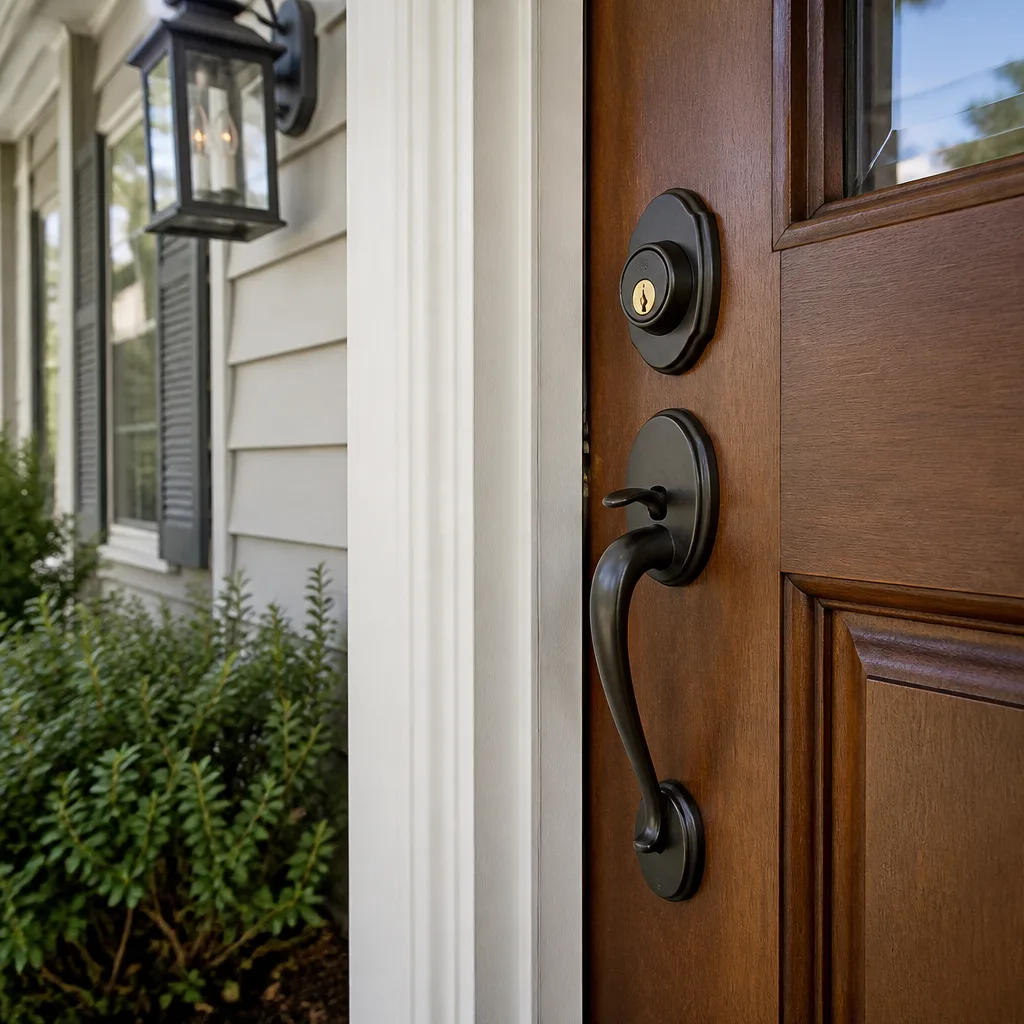
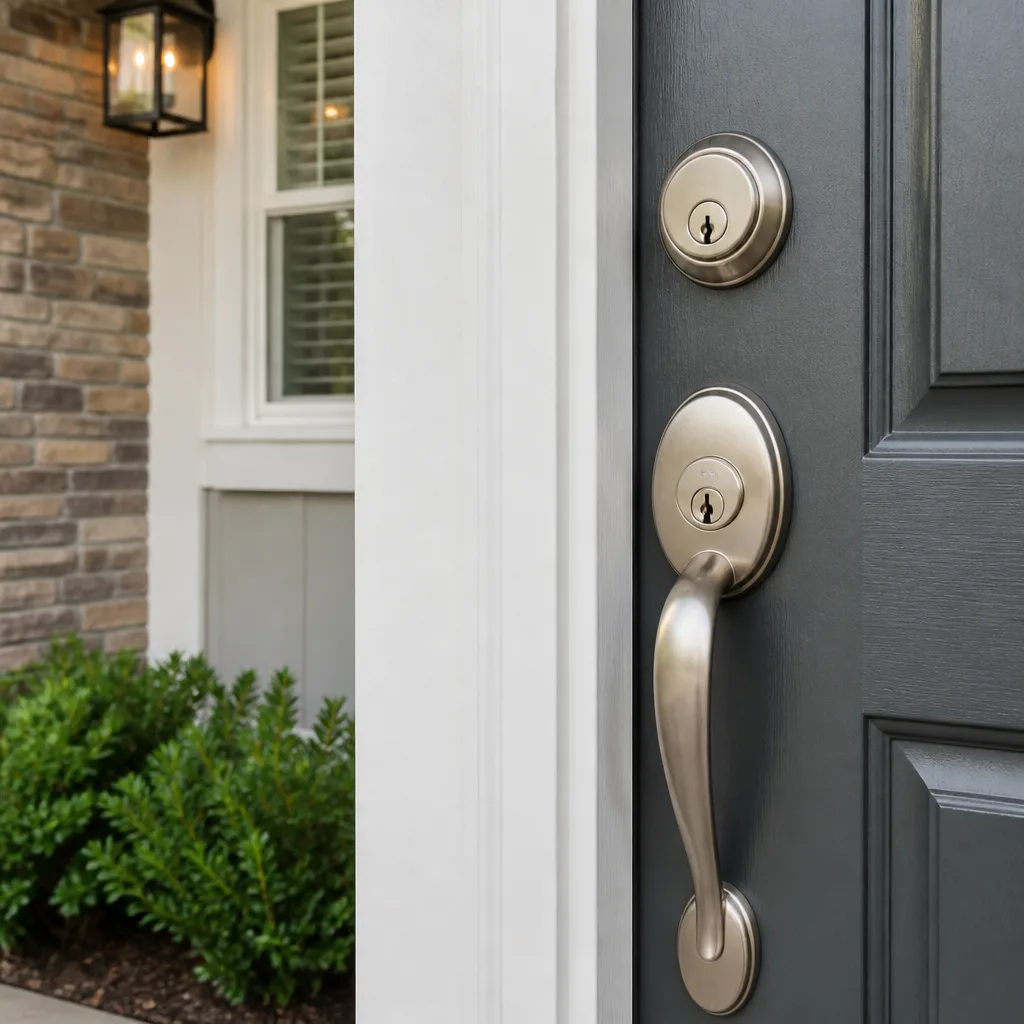
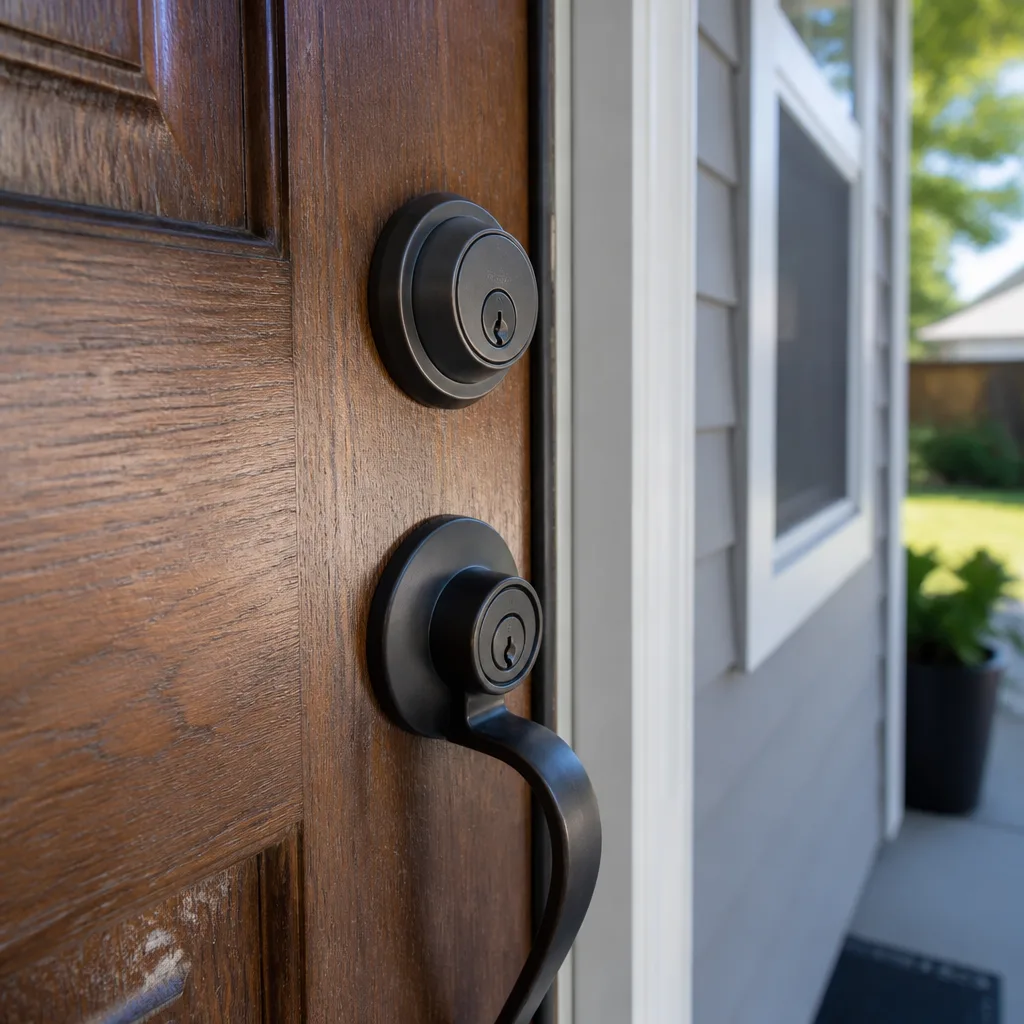
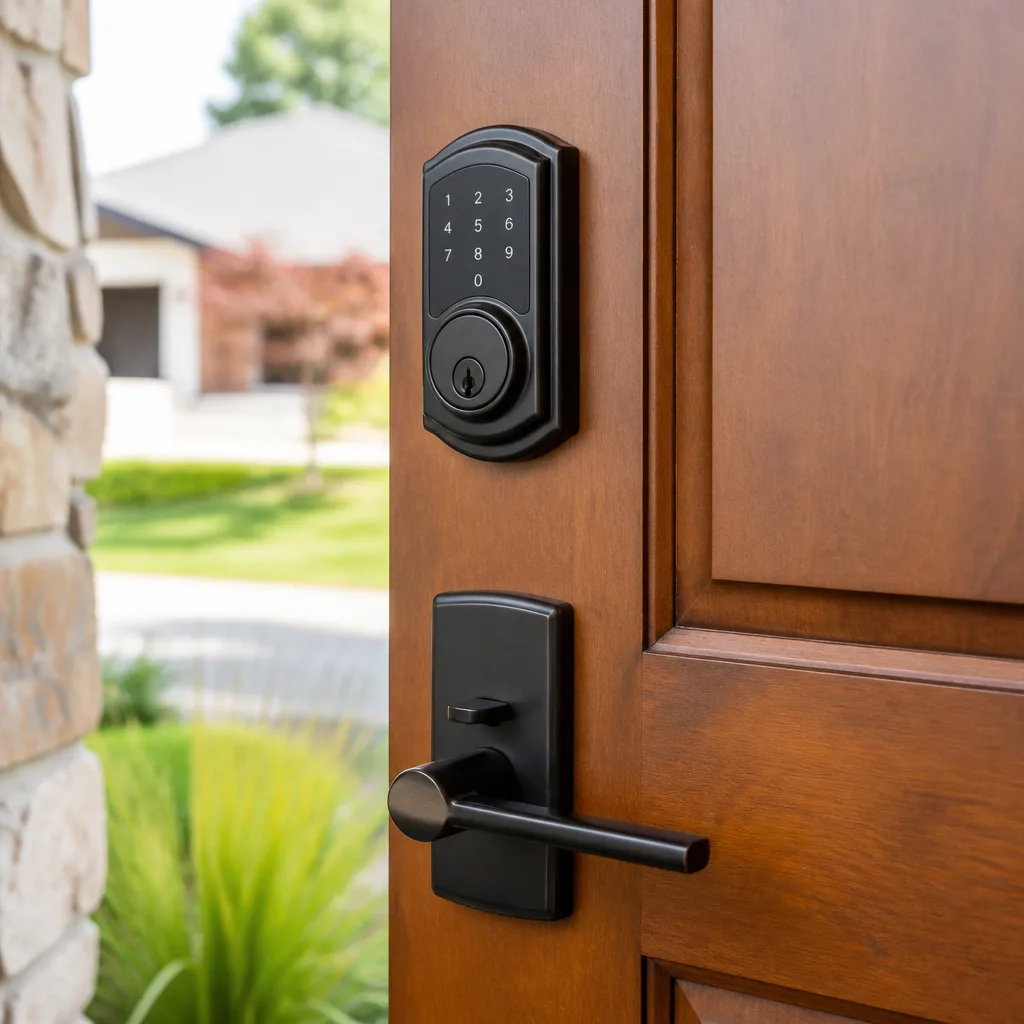
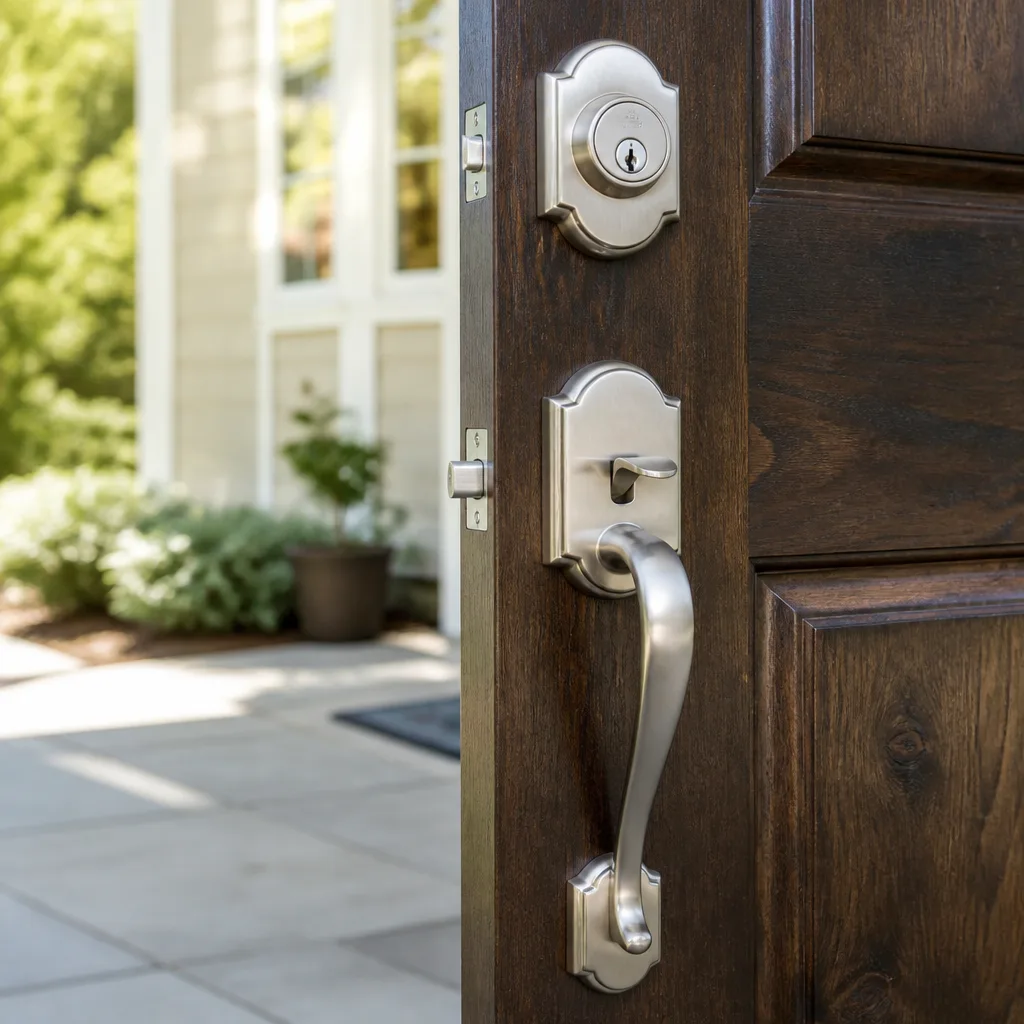
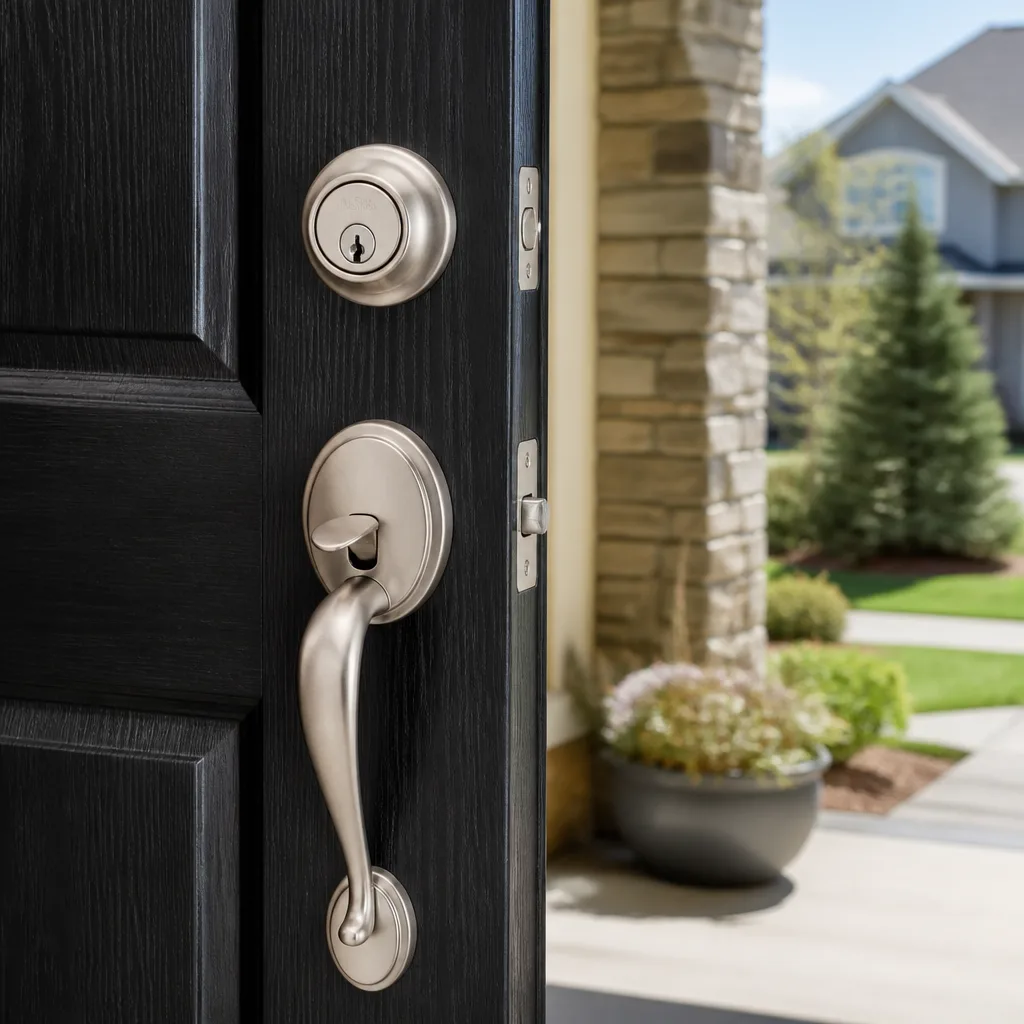
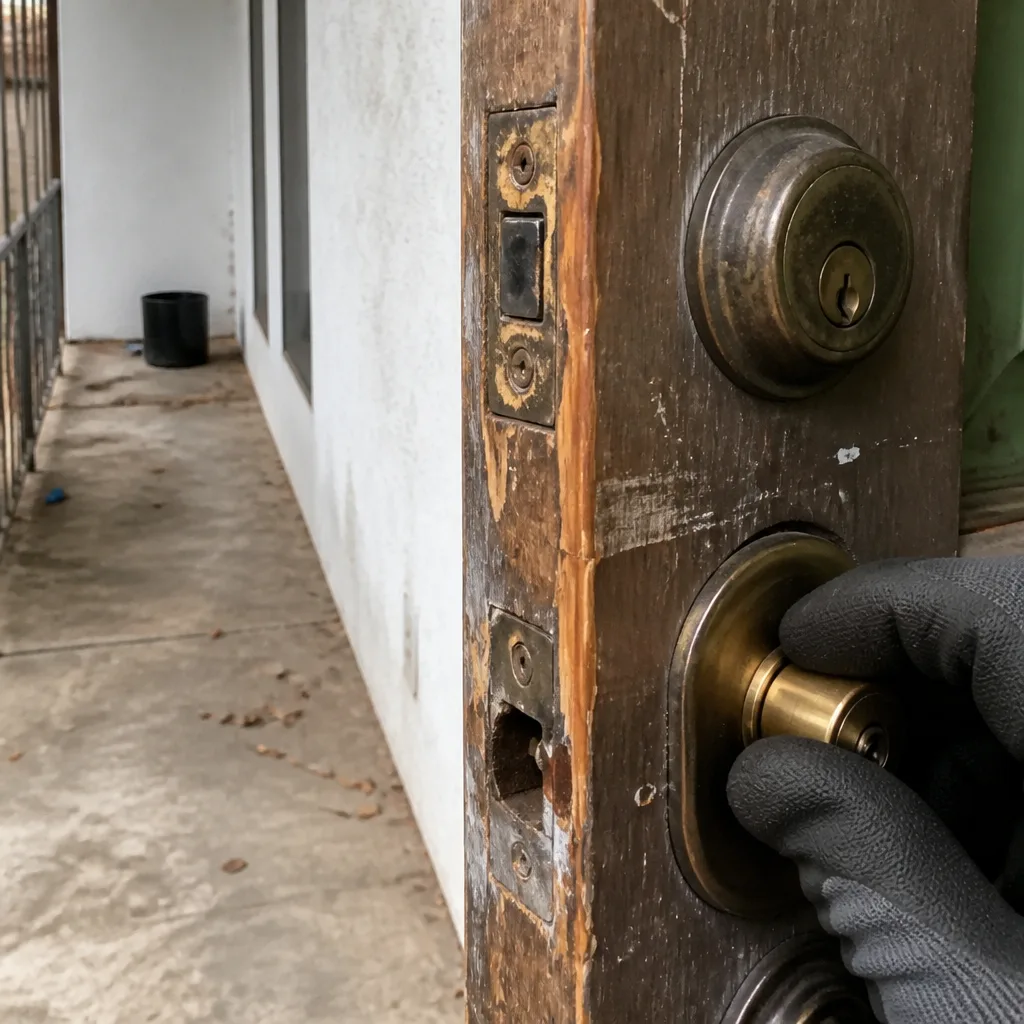 Before
 After
AfterRekey Locks Troubleshooting: Common Problems and How to Fix Them
Most homeowners assume a rekeyed lock that misbehaves means the lock itself has failed. That assumption sends thousands of perfectly good cylinders to the landfill every year in Los Angeles alone. The truth is closer to this: a rekey that feels stiff, binds mid-turn, or refuses to accept the new key is almost always a problem that happened during the procedure, not a defect in the hardware. This guide walks through the mechanical reality of what gets touched inside a lock cylinder during a rekey, why each symptom maps to a specific misstep, and what you can safely check before calling anyone back out. For professional help, our Rekey Locks services are available across Los Angeles. By the end, you will know more about diagnosing a bad rekey than most people who charge for the work.
Quick Answer
A lock that misbehaves after a rekey typically traces to one of three mechanical causes: a pin dropped in the wrong chamber, a plug rotated during reassembly so the tailpiece or cam sits out of alignment, or spring tension that does not match the new key cuts. These are procedure errors, not lock failures, and a competent locksmith fixes them in minutes rather than selling you a new cylinder.
Table of Contents
- Why Rekeys Go Wrong: The Mechanical Reality
- Symptom-to-Cause Mapping: What Your Lock Is Telling You
- How to Tell Whether the Problem Is in the Plug, the Shell, or the Door
- What You Can Safely Test vs. What Requires Pulling the Cylinder
- Why SmartKey Rekeying Errors Are Different – and Harder to Self-Diagnose
- How to Document and Communicate the Problem to a Technician
- What a Proper Rekey Should Look Like – So You Never Have to Troubleshoot
- Common Mistakes to Avoid
- When to Call a Professional
- Frequently Asked Questions
- The Bottom Line
Why Rekeys Go Wrong: The Mechanical Reality
To understand what goes wrong, you need to understand what gets touched. A traditional pin-tumbler lock, whether it is a Schlage deadbolt on a Los Angeles front door or a Kwikset knob on a bedroom, works on a simple principle. The cylinder plug holds a row of small brass pins of varying lengths. Each pin sits in a chamber drilled through both the plug and the surrounding shell. A spring above each pin pushes it downward. When the correct key is inserted, the cuts on the key lift each pin to exactly the right height so the pin splits at the shear line, the boundary between plug and shell. With all pins split at that line, the plug rotates freely, and the tailpiece or cam at the back of the cylinder throws the bolt.
Rekeying changes the pin lengths inside so a different key produces that alignment. The technician removes the plug, dumps the old pins, selects new pins that match the new key’s cuts, and reassembles everything. It is straightforward work, but it is also fiddly. A pin dropped into the wrong chamber. A spring that gets crushed or swapped. A plug reinserted one row of pins off. Any of these produces a lock that sort of works, then does not. None of them require replacing the hardware, which is why a quote for a full new lock after a botched rekey deserves a second opinion. For more on spotting trouble early, see our guide to Rekey Locks Warning Signs Every Homeowner Should Know.
Symptom-to-Cause Mapping: What Your Lock Is Telling You
Every post-rekey complaint maps to a mechanical cause. Here is what we have learned from rekeying locks across Los Angeles, from West Adams bungalows to downtown commercial suites.
Stiff Turn or Binding Mid-Rotation
A key that turns with noticeable resistance, or hangs partway through the rotation, usually points to one of two issues. The first is wrong spring tension. If the technician used springs that are too long or too stiff for the new key’s cut depths, the pins press down with excessive force, and you feel it as drag. The second is an oversized pin. A pin that is a hair too tall for its chamber catches the edge of the shell as the plug rotates, and the key feels like it is grinding against something. This is not a lubrication problem, though a squirt of graphite can mask it temporarily. The fix is correcting the spring or the pin.
Key Will Not Insert Fully
If the new key stops short of seating all the way into the keyway, the top pin, often called the driver pin, is sitting too low in the chamber. When the plug is assembled, the driver pin should rest flush or nearly flush with the top of the plug. If it protrudes into the keyway, even a fraction of a millimeter, the shoulder of the key collides with it. This almost always means the wrong pin length was installed in that chamber. The lock is not broken. One pin needs to be swapped.
Key Turns but Bolt Does Not Move
This is the most alarming symptom because the key rotates freely yet the door stays locked, or the deadbolt does not throw. The cause is almost never inside the cylinder pin stack. It is the tailpiece or cam at the rear of the cylinder, the flat metal bar or rotating plate that connects the plug to the bolt mechanism. During reassembly, the plug can be inserted with the tailpiece rotated 90 or 180 degrees from where it needs to be. The key turns the plug, the plug turns the tailpiece, but the tailpiece spins uselessly without engaging the bolt. The fix is pulling the cylinder, rotating the tailpiece to the correct orientation, and reinstalling. Two minutes with the right tool.
New Key Works, Old Key Still Works
If the old key still turns the lock after a rekey, the job was done with incorrect pin depths. This happens when the technician misreads the key cuts, uses a worn key gauge, or simply installs the wrong pins. In a correct rekey, the old key should not even insert smoothly, let alone turn. This is a complete redo of the pin stack, and under a proper guarantee, it is a callback handled at no charge, not a new service fee.
How to Tell Whether the Problem Is in the Plug, the Shell, or the Door
Before you call a Residential Locksmith in Los Angeles, run a quick isolation test. You do not need to disassemble anything, and the findings will tell the technician exactly where to look, which keeps the return visit short.
- Remove the key and test the knob or thumbturn alone. If the interior thumbturn throws the deadbolt smoothly but the key side is stiff, the problem is in the cylinder, not the door hardware or the bolt mechanism.
- Test the key in both directions. Insert the key and turn it clockwise, then counterclockwise. If it binds in one direction only, a pin or spring is catching on one side of the shell. If it binds in both, suspect the tailpiece or a warped plug.
- Open the door and test the lock. With the door standing open, the key should turn with the same resistance, less, or more than when the door is closed. If the lock works fine with the door open but binds when closed, the strike plate is misaligned and the bolt is dragging against the plate. That is a door hardware issue, not a rekey issue.
- Check for vertical play. Grip the knob or deadbolt face and try to wiggle it up and down while turning the key. Excessive play in the plug is a shell wear problem, typically only on locks years old, and may legitimately require new hardware. A tight, new-feeling lock that binds is a pin or spring problem.
This four-step isolation test takes under two minutes and separates cylinder problems from door problems with near certainty. In our experience, more than half of the post-rekey callbacks we see for Los Angeles homes are actually strike plate issues that have nothing to do with the rekey at all.
What You Can Safely Test vs. What Requires Pulling the Cylinder
There is a hard line between what a homeowner should attempt and what requires pulling the cylinder. A pin-tumbler cylinder under spring tension is not dangerous in the way a garage door spring is dangerous, but it is delicate, and a ham-fisted disassembly can turn a two-minute fix into a trip to the hardware store for a new lock.
Safe to test: Inserting and removing the key, turning it in both directions, checking the thumbturn, opening and closing the door, and testing with the old key to confirm whether it still works. These are all non-invasive diagnostics.
Requires pulling the cylinder: Anything involving pin chambers, springs, or tailpiece orientation. If the tailpiece is misaligned, the cylinder must come out of the door. If a pin is undersized or oversized, the plug must come out of the shell. These are not homeowner jobs, and honestly, they should not be your problem in the first place. A rekey done right does not need follow-up disassembly. That is the standard, and if Ridley Locksmith & Security home does the work, it carries a one full year written guarantee. If something is off, we come back and fix it at no charge, no argument, no invoice.
Why SmartKey Rekeying Errors Are Different – and Harder to Self-Diagnose
Kwikset’s SmartKey system and its equivalents do not use traditional pin stacks. Instead, the cylinder contains a set of wafers and a sidebar that reset when you insert the old key, turn it 90 degrees, insert the new key, and turn back. It is a clever design that lets a homeowner rekey their own lock in seconds without removing it from the door.
It is also a system that fails in different ways than a traditional rekey. When a SmartKey rekey goes wrong, the symptoms are often intermittent. The new key works, then does not. The old key works half the time. The cylinder feels loose or clicks oddly. These failures are not caused by wrong pins, because there are no pins to mix up. They are caused by wafers that did not fully seat during the reset sequence, or by wear in the plastic reset mechanism inside the cylinder. Diagnosing this requires a trained eye and often a replacement core. What a homeowner can do: re-run the SmartKey reset sequence once, carefully, using the instructions that came with the lock. If the new key still behaves inconsistently after one clean reset, stop. Repeated reset attempts can make the problem worse, and at that point call a locksmith who works with Kwikset hardware regularly.
How to Document and Communicate the Problem to a Technician
If you do need a return visit, the way you describe the problem determines whether the technician arrives with the right parts or spends the first half hour re-diagnosing what you already know. Here is a structured way to report it.
- Identify the lock. Which door, which side, knob or deadbolt, and brand if you know it. “The back door deadbolt, Schlage, key side only” is a complete answer. “The lock is broken” is not.
- Describe the exact behavior. “Key goes in fully, turns halfway, then stops hard.” Or “Key turns all the way both directions, but the bolt does not move.” Or “New key works, old key still works too.”
- Note when it started. Immediately after the rekey, or days later. If a lock worked perfectly for a week after the rekey and then started binding, that points to something shifting in the door hardware, not to the pin stack.
- Report what you already tested. “Works fine from the inside thumbturn.” “Binds with the door open too.” “Old key no longer inserts.” Each of these data points narrows the search.
- Have the written guarantee ready. In Los Angeles, a Rekey Locks in Los Angeles job done properly includes a written guarantee covering the work for a full year. Pull it out and reference it. It tells the technician this is a warranty callback, not a fresh service call.
This level of documentation turns a thirty-minute diagnosis into a five-minute fix, and it protects you from being charged a second service fee for work that should have been right the first time.
What a Proper Rekey Should Look Like – So You Never Have to Troubleshoot
The best troubleshooting guide is the one you never need. A rekey done to a high standard has tell-tale characteristics. When the technician hands you the new key, it should glide into the keyway with a clean click as the shoulder seats. Turning it should feel smooth and consistent in both directions, with no catches, no grinding, no vertical play. The bolt should retract and throw fully with the same effort it always had. The old key should be dead, completely non-functional.
After the job, the technician should test every lock and every key in front of you, not just once but on every door that was rekeyed. In Los Angeles, homes often have three or four keyed entry points, and a common failure mode is one door getting rekeyed while another is missed entirely. A proper rekey also includes rekeying the interior locks, such as mailbox locks and side garage doors, if they share the same keyway. This is what you should expect from any professional Commercial Locksmith in Los Angeles or residential tech, and it is what we deliver under The Garrison Standard. Every job gets a written price before work begins and a written guarantee covering the repair for one full year, because accountability is not a verbal promise. It is a document.
Common Mistakes to Avoid
- Lubricating instead of diagnosing. WD-40 or graphite can temporarily loosen a stiff rekey, but they do not fix an oversized pin or a crushed spring. Worse, lubricant can mask the symptom long enough for the real problem to worsen. In dusty Los Angeles conditions, oil-based lubricants also attract grit that compounds the issue.
- Forcing a key that will not seat. If the new key stops short of full insertion, do not push harder. The key shoulder is colliding with a driver pin that is too low. Forcing it risks bending the key, and on older keyways, snapping it off in the cylinder.
- Running the SmartKey reset repeatedly. One clean reset attempt is fine. Five attempts with the same glitchy result is a sign the internal mechanism needs replacement. More resets will not fix it and may destroy the cylinder’s reset function entirely.
- Ignoring a bolt that throws but does not feel solid. If the deadbolt extends but wobbles or extends only partway, the tailpiece may be slightly misaligned. It works until it does not, and the moment it fails is when you are locking up and leaving for the day.
- Accepting a verbal “we’ll fix it later” without a written commitment. A promise made in the driveway is worth nothing on a return visit weeks later. If a rekey is not right, get the correction in writing with the date and what will be done. Better yet, use a locksmith whose guarantee is already a written document.
- Replacing the whole lock for a rekey problem. New hardware is expensive, and a bad rekey does not mean the lock is bad. It means the pins are wrong, the springs are wrong, or the tailpiece is misaligned. All of those are fixable without a single new part in most cases. Anyone telling you otherwise is selling hardware, not solving the problem.
When to Call a Professional
You should call a professional the moment the problem is anything beyond what the safe testing section above covers. If the key will not insert fully, if the plug binds in either direction, if the bolt does not move when the key turns, or if the old key still works, those are cylinder-internal issues and they require pulling the lock. A misaligned tailpiece takes two minutes to fix with the cylinder in hand. An undersized pin takes three. None of these should cost you a new lock. In Los Angeles, Ridley Locksmith & Security offers free estimates, and a live person answers the phone 24 hours a day, 7 days a week. Call (956) 275-7388 and describe the symptom exactly as it behaves. You will get a straight answer about what is wrong and what it costs to fix, before anyone goes anywhere.
Frequently Asked Questions
Fixing a botched rekey typically costs between $45 and $120 depending on whether the cylinder needs to be pulled and re-pinned or simply re-timed for tailpiece alignment. If you are calling back the same locksmith whose work is under a one-year written guarantee, the fix should cost you nothing. Ridley Locksmith & Security’s 365-Day Done Right Promise covers exactly this scenario with a free second visit within the guarantee window. Call (956) 275-7388 for an exact quote, which you will receive in writing before any work starts.
A properly rekeyed lock should feel smooth immediately. There is no break-in period. If the new key turns with resistance from the first use, a spring or pin is out of spec, and the problem will not resolve itself. The fix is a correction to the pin stack, not time.
A standard single-cylinder rekey takes 10 to 20 minutes per lock when done properly. A correction for a stiff pin or misaligned tailpiece should take under ten minutes once the technician has the cylinder in hand. If someone quotes you an hour just to diagnose what you have already documented, keep looking.
You can buy a rekey kit and follow the instructions, and for someone mechanically inclined, it is not impossible. But a homeowner rekey carries the same risks as a technician rekey, without the guarantee. Drop a spring, install a pin in the wrong chamber, or lose the plug alignment, and you now own a lock that does not work and no one to call but a professional. The risk-to-savings math rarely favors DIY on security hardware.
No. A correct rekey replaces consumable brass pins that wear naturally over years of use. The cylinder itself is not affected. Rekeying a lock every few years, whether due to a tenant change or lost keys in Los Angeles, is a standard security practice and does not shorten the life of the hardware.
That is a direct sign the pin depths were cut for the wrong key, the technician misread the new key, or the wrong pins were installed. The old key should not even insert smoothly after a correct rekey. This is a complete redo of the pin stack, and under Ridley Locksmith & Security’s written guarantee, it is fixed at no charge within one full year of the original job.
The Bottom Line
A lock that fails after a rekey is almost never a failed lock. It is a failed procedure. The pins are wrong, the springs are wrong, or the tailpiece is out of alignment, and none of those require new hardware. Understanding the symptom-to-cause map in this guide puts you in a position most Los Angeles homeowners never reach: you know what is wrong before the technician arrives. That knowledge is yours to keep. And if the work carries a written guarantee, as every Ridley Locksmith & Security job does, you also know the fix is free. Demand the standard. A proper rekey works smoothly from the first turn, dies the old key completely, and comes with a document that says so.
Written by Drew Kowalski, Owner at Ridley Locksmith & Security, serving Los Angeles since 2007.