
Last updated October 9, 2026
Non-destructive entry first, always - and we re-key Schlage, Kwikset, and Baldwin locks on the spot while you watch
You get a price before we start. It does not change when we arrive. No surprises.
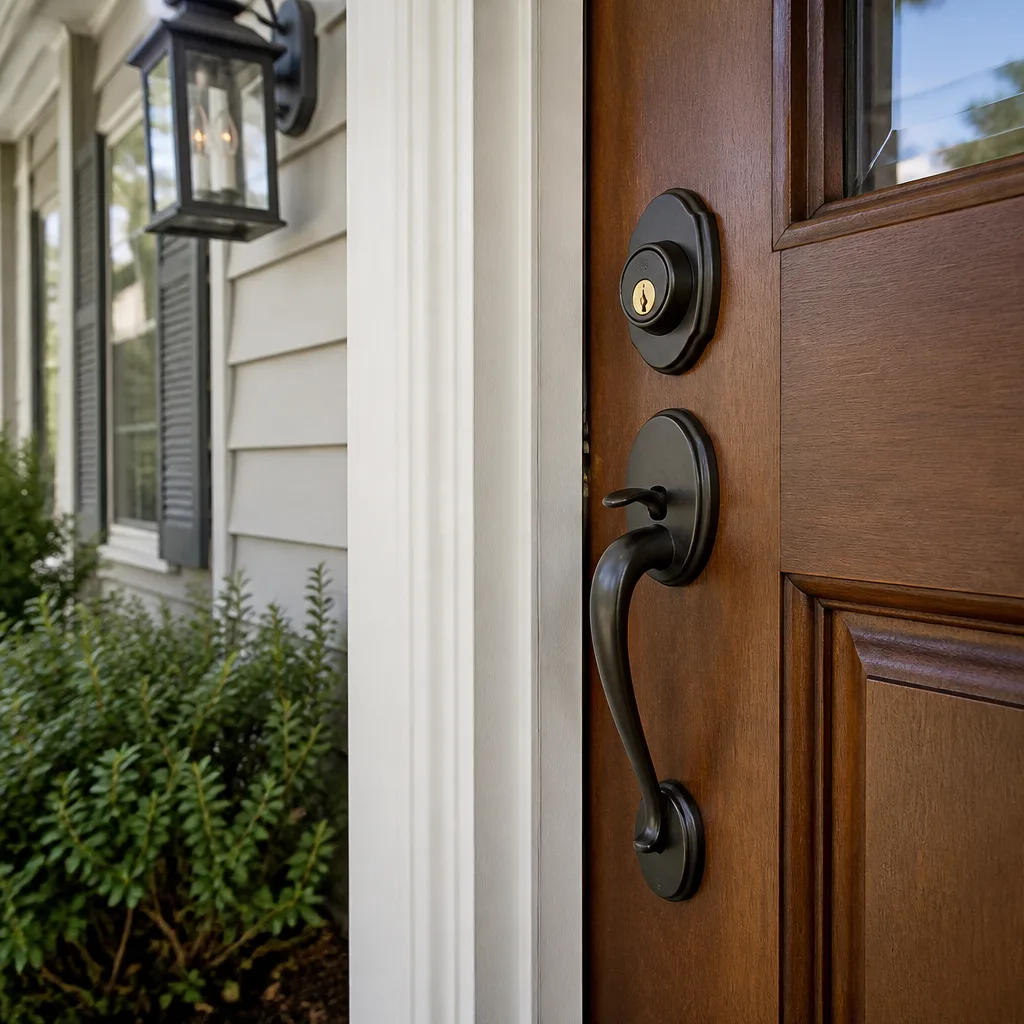
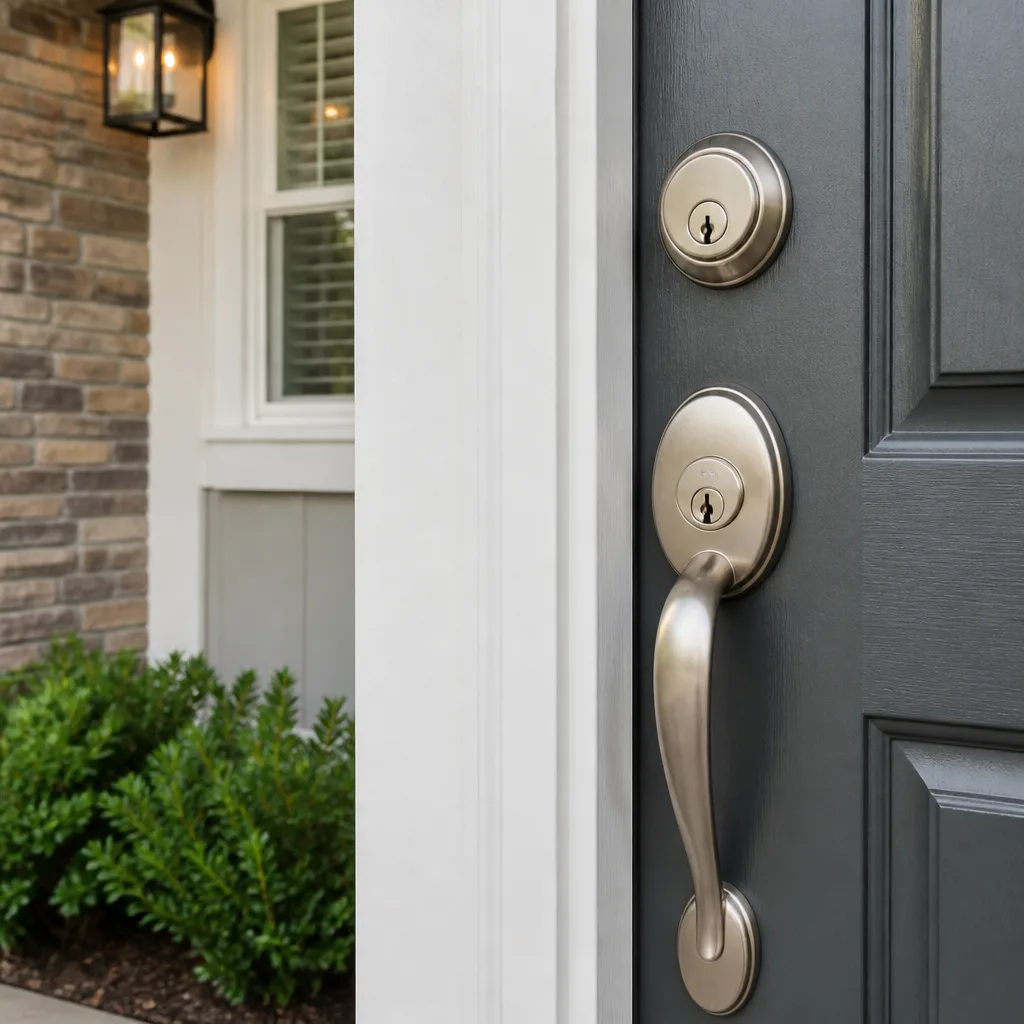
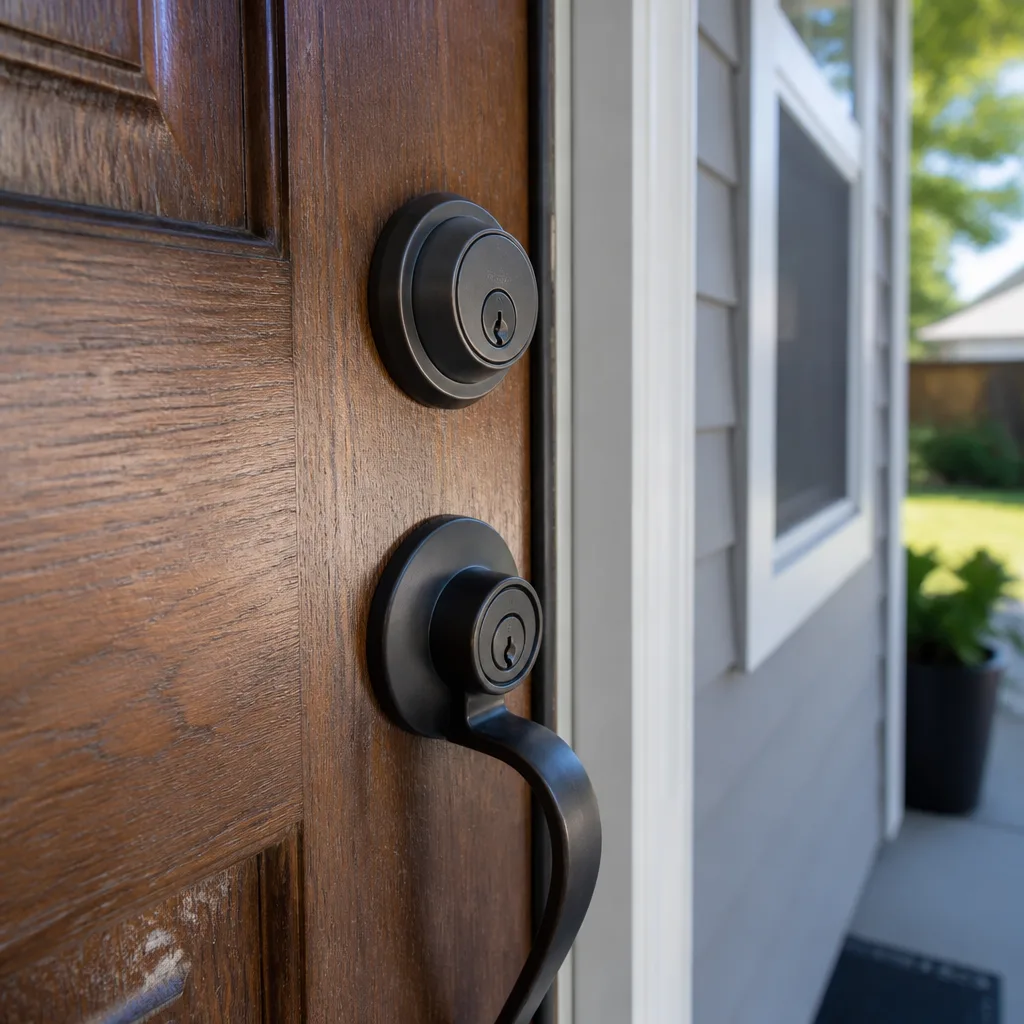
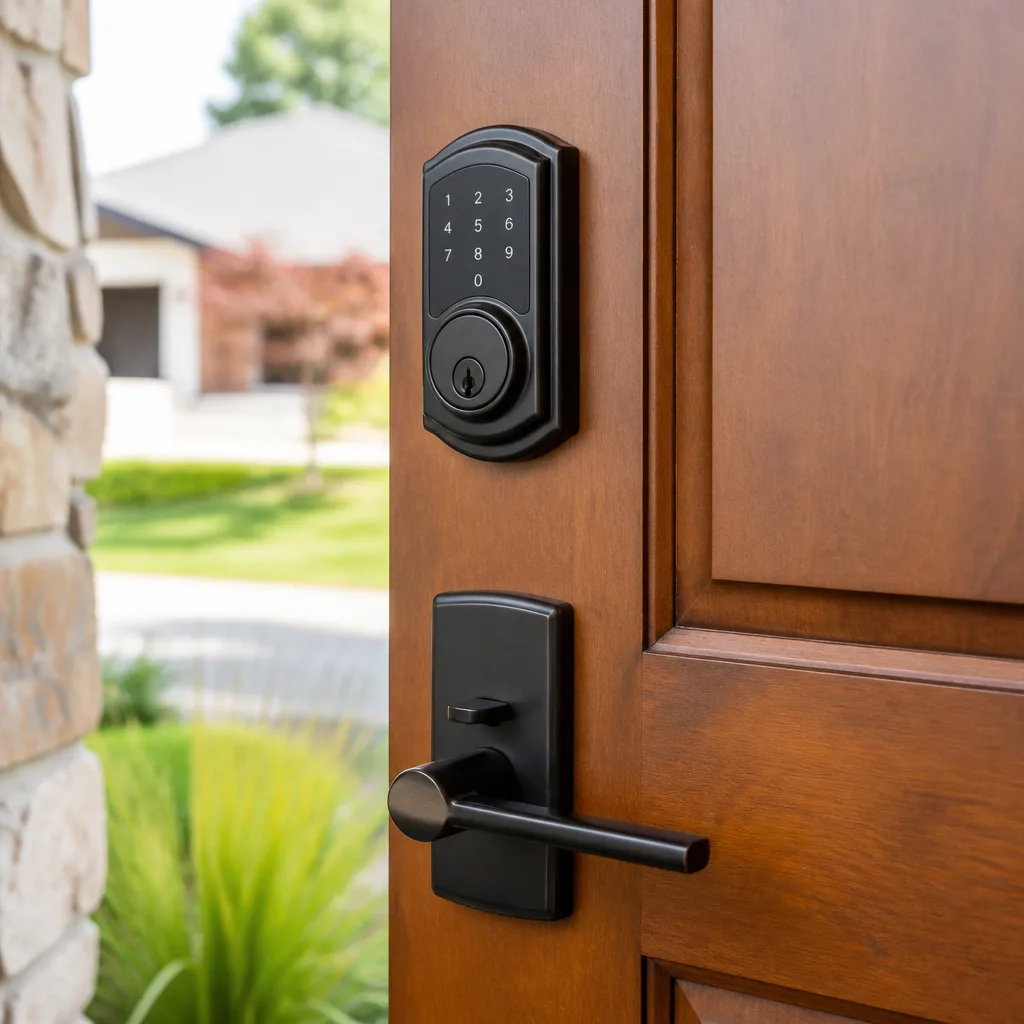
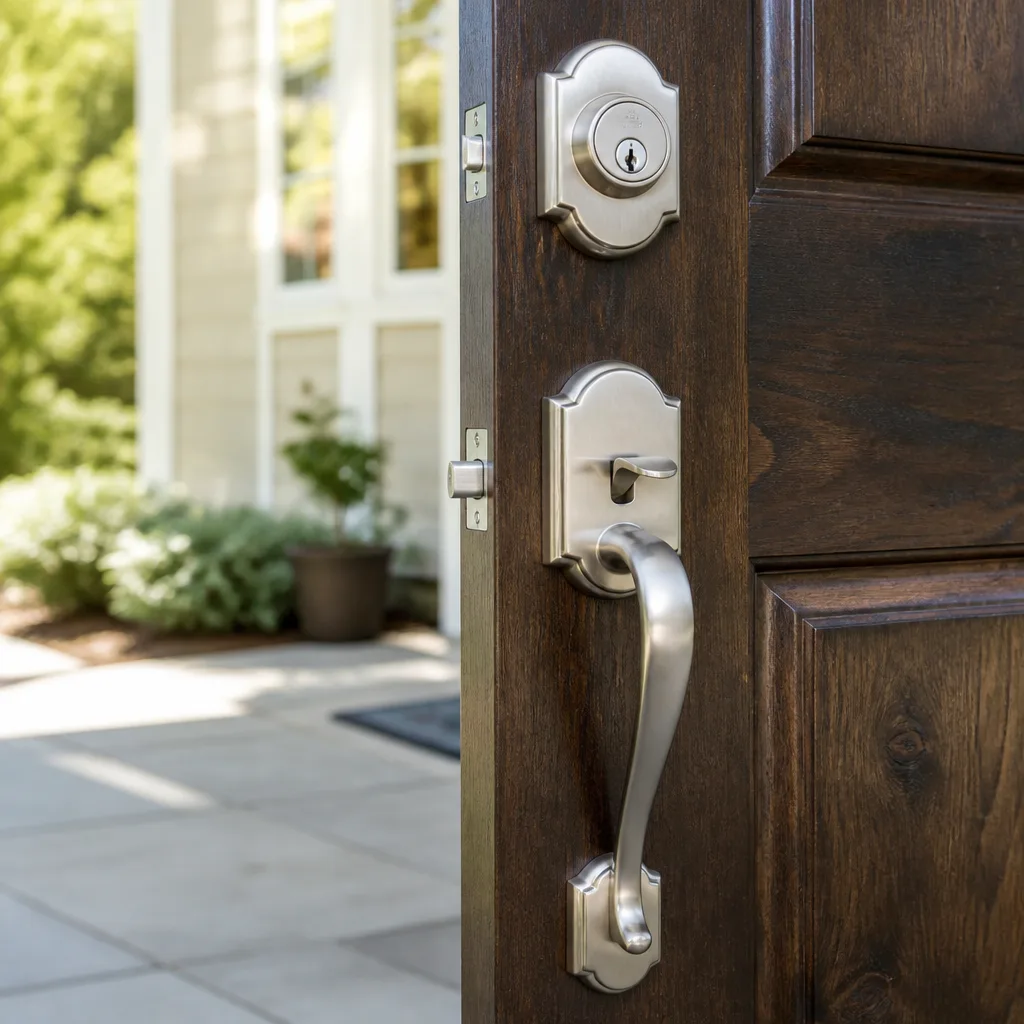
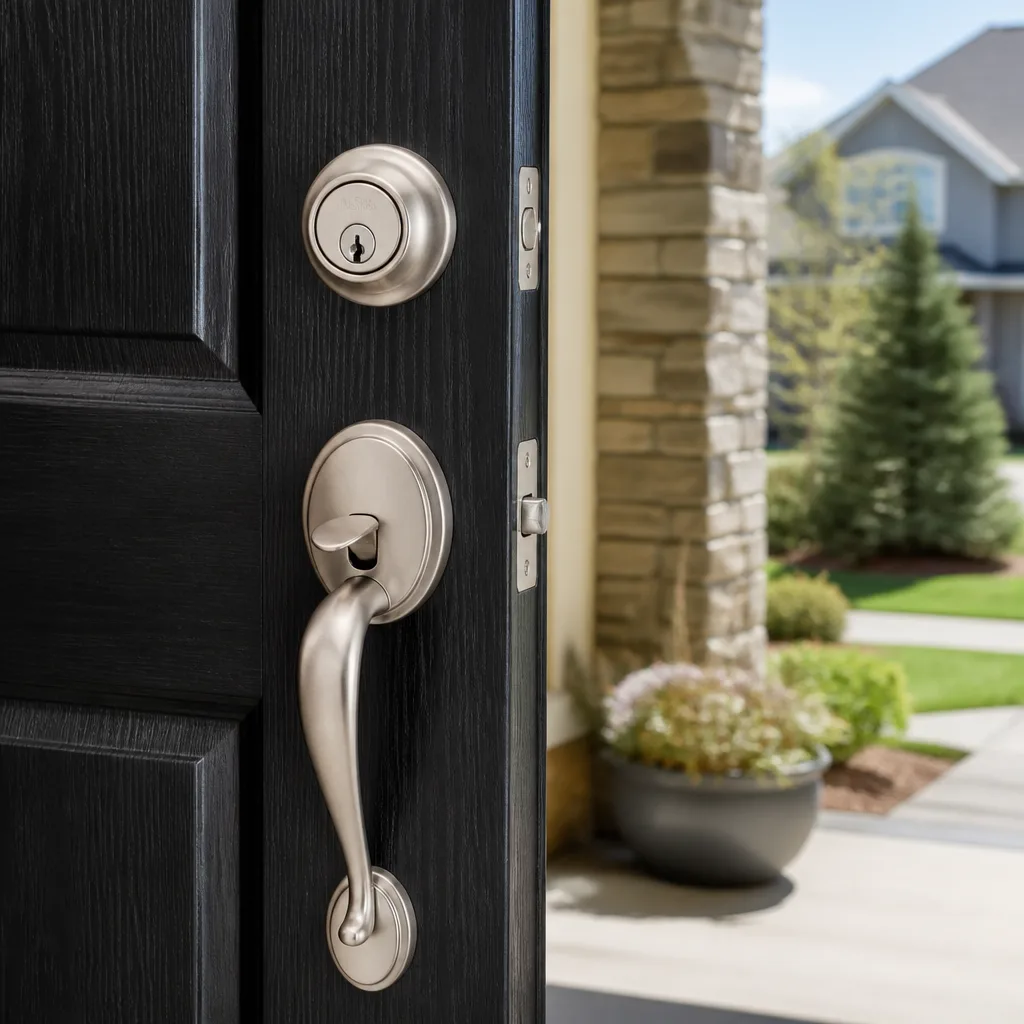
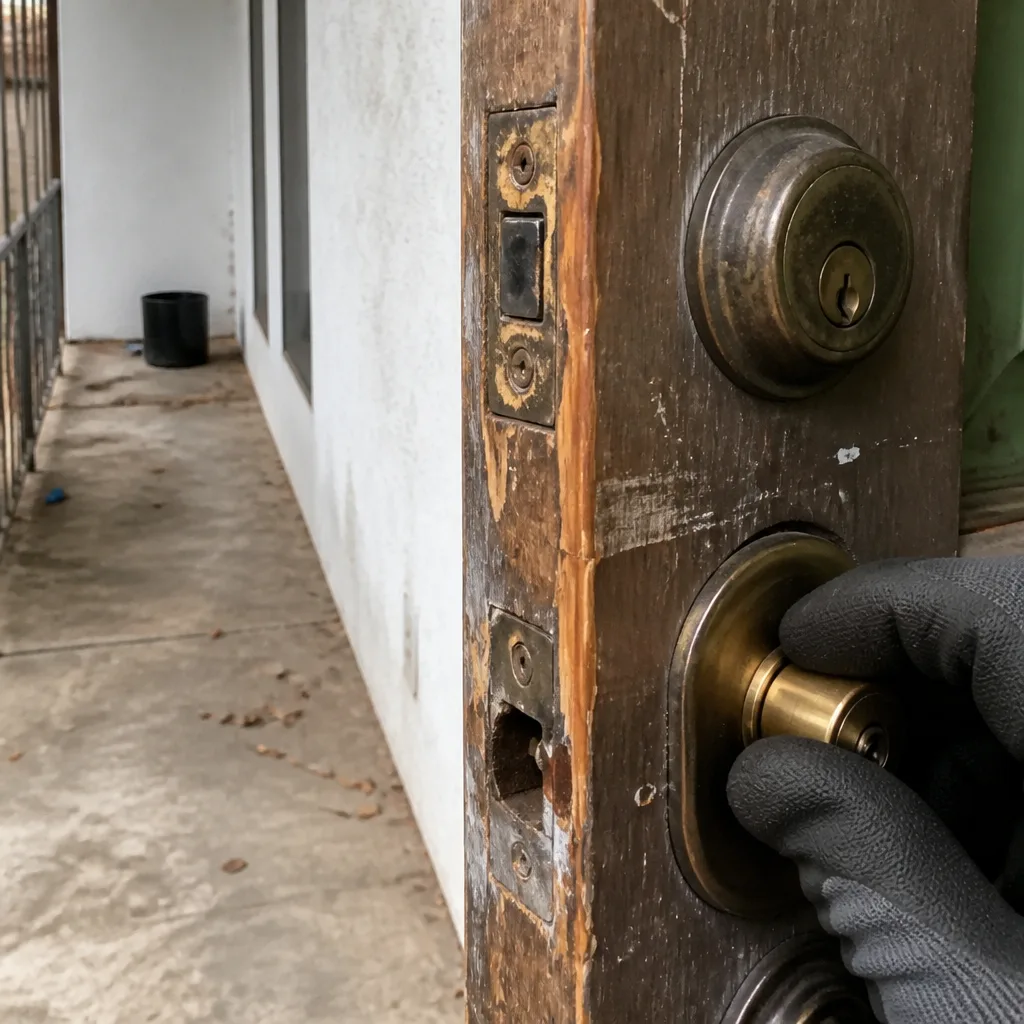 Before
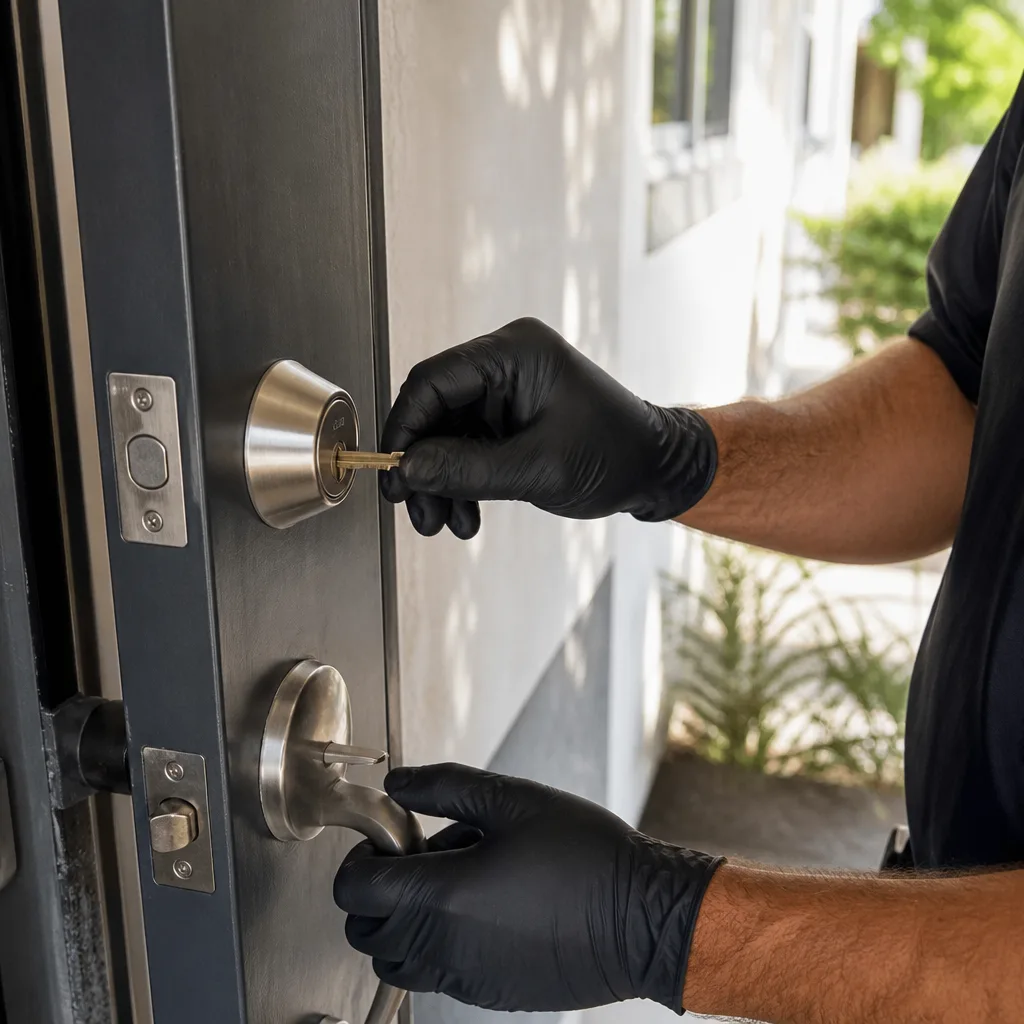 After
AfterLocksmith Cost Breakdown: The Los Angeles Homeowner’s Reference for 2026
A locksmith job that costs $85 in Burbank can run $180 for the same hardware and the same labor in Beverly Hills. The difference isn’t gouging. It’s the cost of operating a licensed, insured, dispatched service across Los Angeles, where territory density, insurance rates, and drive time all shape the final number. This guide breaks down where your money actually goes, what fair pricing looks like in 2026, and how to read a quote line by line so you never pay for a mystery. If you’re a Los Angeles homeowner who wants to understand locksmith pricing before you pick up the phone, this is the reference you need.
Quick Answer
Locksmith costs in Los Angeles in 2026 typically run $85 to $180 for a residential lockout, $120 to $250 per deadbolt installation, $25 to $45 per cylinder for rekeying, and $180 to $400 for car key programming. Every invoice has four components: the service call fee, labor time, hardware cost, and specialty charges. You should expect a written price before any work starts, and a full itemized breakdown is a reasonable thing to ask for.
Table of Contents
- The Four Components of Every Locksmith Invoice
- 2026 Price Ranges for Common Los Angeles Locksmith Jobs
- Hardware Markup: What’s Fair and What’s Predatory
- After-Hours and Emergency Pricing in Los Angeles
- How to Read a Written Estimate Line by Line
- Los Angeles-Specific Cost Factors: Climate, Code, and Neighborhood
- Rekeying vs. Replacing: The Cost Decision Los Angeles Homeowners Face
- Common Mistakes to Avoid
- When to Call a Professional
- Frequently Asked Questions
- The Bottom Line
The Four Components of Every Locksmith Invoice
Every locksmith bill, whether it comes from a one-man operation in Van Nuys or a structured company serving all of Los Angeles, contains the same four building blocks. If a quote doesn’t show all four, ask where the missing pieces are hiding.
1. Service call fee. This is the charge for a technician to drive to your location. In Los Angeles, this fee typically runs $35 to $75 depending on where you are. The reason a house in San Pedro might see a different service call fee than a condo in Koreatown comes down to dispatch radius and fuel costs. Our Residential Locksmith in Los Angeles service always quotes this fee before the technician leaves the shop, so there’s no surprise when the van pulls up.
2. Labor time. Locksmith labor in Los Angeles runs $65 to $120 per hour for standard work. A deadbolt swap takes 30 to 45 minutes. A full rekey of six cylinders can take an hour and a half. Labor is where experience shows: a technician who has done 3,000 deadbolts works faster than a trainee on job number 12, and that speed difference directly affects your final bill.
3. Hardware cost. This is the lock, cylinder, key, or latch that gets installed. A basic Kwikset deadbolt costs $35 to $60 at retail. A Baldwin mortise lock can run $200 to $600. More on this in the markup section below.
4. Specialty charges. These include after-hours premiums, high-security keyway surcharges, and access control programming. Not every job carries these, but when they apply, they belong on the invoice as a visible line item, not baked into a fuzzy “extra work” category.
2026 Price Ranges for Common Los Angeles Locksmith Jobs
The following ranges reflect what we see across Los Angeles County in 2026, from the Valley to the Westside to the South Bay. Low, mid, and high tiers are honest reflections of the market, not marketing numbers.
- Residential lockout: $85 to $180. Low end is a basic pin-and-tumbler lock during business hours in a dense area like North Hollywood. High end is after-hours or a high-security lock in a spread-out neighborhood like Pacific Palisades.
- Deadbolt installation: $120 to $250 including hardware. A standard Schlage or Kwikset single-cylinder deadbolt installs quickly. A Baldwin or a double-cylinder deadbolt takes longer and the hardware costs more.
- Rekey per cylinder: $25 to $45. The higher end applies when you have multiple cylinders, high-security keyways, or a Medeco or Mul-T-Lock system. Rekeying means changing a lock’s internal pins so old keys no longer work, without replacing the hardware.
- Car key programming: $180 to $400. Transponder keys and fobs require specialized equipment. German and luxury vehicles run higher. Basic older-model keys cost less.
- High-security lock installation: $300 to $700. This covers Medeco, Mul-T-Lock, Abloy, and Sargent installs, which require specific training and sometimes proprietary tooling.
These ranges assume a standard, single-family home and a licensed locksmith. A quote below these ranges typically means the technician will “find” additional charges once they’re on site. A quote far above them deserves a line-item explanation you can verify.
Hardware Markup: What’s Fair and What’s Predatory
Hardware markup is legitimate. Every locksmith in Los Angeles buys locks at wholesale and sells them at a margin. That margin covers inventory cost, warranty handling, and the reality that a technician can’t install a lock that isn’t on the van. What matters is the size of that margin.
A fair markup on residential hardware is 20% to 40% above retail. If a Kwikset deadbolt sells for $45 at Home Depot, a locksmith charging $55 to $65 for that same lock is operating within a normal range. The locksmith’s lock also comes with installation know-how and a workmanship warranty, which the big-box store does not provide.
A predatory markup is 100% or more. If a standard Schlage deadbolt shows up on an invoice at $120 when it retails for $45, you’re looking at a line item designed to pad a cheap labor quote. This is the bait-and-switch pattern: advertise low labor, then recover the difference on inflated hardware.
Here’s how to cross-check hardware prices yourself: before the technician starts work, ask for the brand and model number of the lock being installed. Then look it up on a retail site while the technician works. You don’t need to negotiate in the moment. You need to know whether the written price you’re about to approve fits the market. A shop that won’t tell you the model number before installation is a shop to send away.
After-Hours and Emergency Pricing in Los Angeles
A lockout at 2 a.m. in Echo Park will cost more than the same lockout at 2 p.m. That’s reasonable. After-hours premiums cover keeping a technician on call, running a live dispatch line, and driving across Los Angeles at night. A reasonable after-hours premium is 25% to 50% over standard rates.
What’s not reasonable is an after-hours quote that doubles or triples the standard rate without explaining why. Some operations advertise a $19 service call, then arrive at midnight and charge $300 to open a basic deadbolt, framing it as “emergency pricing.” That’s not an emergency premium. That’s a scheme.
A legitimate emergency locksmith in Los Angeles will tell you the premium before dispatch. Our policy is a written price before any work starts, every single job: the number you approve is the number on the invoice, whether the work happens at noon or at 3 a.m. This is part of The Garrison Standard, the operating framework that has governed Ridley Locksmith & Security since 2007.
How to Read a Written Estimate Line by Line
A written estimate is a tool for you, not a formality for the technician. Here’s how to read one:
- Look for the four components. Service call, labor, hardware, specialty charges. If any is missing, ask where it went. A quote that says “lock repair: $220” with no breakdown is an invitation to guess.
- Check the hardware line for a model number. “Deadbolt: $130” tells you nothing. “Schlage B60N deadbolt: $85” tells you exactly what you’re getting. Ask for the model if it isn’t there.
- Confirm the labor line has a rate and an estimated time. “Labor: $90” could mean one hour or could mean fifteen minutes. Ask what hourly rate is being used.
- Read the specialty charges aloud. If a line says “high-security keyway surcharge,” ask what that means for your specific lock. A legitimate locksmith will explain. A vague answer means you’re being charged for something that doesn’t exist.
- Verify the total matches the sum of the lines. This sounds basic, but it’s where sloppy and dishonest invoices fail.
A technician who won’t itemize before working is a technician you should send away. That’s the single most reliable screening question in the trade, and it costs you nothing to ask.
Los Angeles-Specific Cost Factors: Climate, Code, and Neighborhood
Los Angeles shapes locksmith pricing in ways that don’t apply in Phoenix or Portland. The first is climate: coastal fog and marine layer corrosion eat lock hardware faster here than in dry climates. We see this constantly in neighborhoods like Playa del Rey and Marina del Rey, where salt air pits brass and seizes cylinders within a few years. A lock that would last a decade inland may need replacement in half that time near the coast, which changes the math on whether to repair or replace.
The second is building code. Los Angeles requires deadbolts on all exterior doors in rental units, and many older homes in neighborhoods like Silver Lake and Highland Park still have knob locks that predate modern security standards. Upgrading to code-compliant deadbolts is a common call, and it’s usually a straightforward installation, but the hardware cost should reflect the specific lock being installed, not a vague “security upgrade” fee.
The third is neighborhood density. A locksmith serving Downtown LA, West Hollywood, and Santa Monica is navigating traffic, parking restrictions, and dispatch frequency that differ from a technician working the wide streets of Encino or Woodland Hills. Denser service territories mean higher overhead, and higher overhead shows up in the service call fee. This is not a markup to resent. It’s the cost of running a real business in a real city.
Rekeying vs. Replacing: The Cost Decision Los Angeles Homeowners Face
When you move into a new house in Los Angeles, change the locks. The question is whether to rekey or replace. Rekeying means changing a lock’s internal pins so old keys no longer work, without replacing the hardware. It’s typically $25 to $45 per cylinder, and it’s all you need if the existing hardware is in good shape.
Replacement is the right call when the hardware is corroded, damaged, or outdated. A Baldwin mortise lock from the 1970s may be worth keeping and rekeying. A pitted Kwikset knob from 1999 is probably worth replacing with a modern deadbolt.
For most Los Angeles homeowners, Rekey Locks in Los Angeles is the more affordable path after a move, a roommate change, or a lost key situation. It preserves functioning hardware while eliminating any key you don’t control. Our Commercial Locksmith in Los Angeles team handles rekeys for businesses too, often as part of a master key system where different employees hold different access levels.
Common Mistakes to Avoid
- Accepting a quote without a hardware model number. If the written price doesn’t name the brand and model, you can’t verify the markup. Ask before approving.
- Paying a service call fee, then being surprised by a second “trip charge.” These are the same thing. A legitimate invoice charges one or the other, not both.
- Acknowledging a verbal estimate as binding. In Los Angeles, a technician who refuses to write down a price before starting work is setting up for a larger number at the end. Walk away.
- Buying the cheapest quote in the Valley because it’s the cheapest. Locksmith pricing below market means hidden charges at the door. The lowest number is the one that moves.
- Replacing all hardware when a rekey would do. Rekeying runs $25 to $45 per cylinder and preserves working locks. Replacement is for damaged or outdated hardware, not for a lost key.
- Ignoring the guarantee question. Ask what happens if the repair fails in three months. A written guarantee that covers the work for one full year, with a return visit at no charge, is the difference between a shop that stands behind its work and one that disappears after the invoice clears.
When to Call a Professional
Some jobs are genuinely doable for a determined homeowner: swapping a standard knob lock with a screwdriver, for instance. But deadbolt installation in a door with a worn frame, rekeying a cylinder to match existing keys, and any work on high-security hardware like Medeco or Mul-T-Lock demands a trained hand. Garage door spring work, electrical panel work, and gas line work are out of scope for a locksmith entirely, and anyone claiming otherwise is not a specialist.
When you call a professional, ask for a written price before the work starts. Ridley Locksmith & Security offers free estimates in Los Angeles. Call (956) 275-7388 and a live person answers, 24 hours a day, 7 days a week.
Frequently Asked Questions
How much does a locksmith cost in Los Angeles?
Locksmith costs in Los Angeles in 2026 typically run $85 to $180 for a residential lockout, $120 to $250 per deadbolt installation, and $25 to $45 per cylinder for rekeying. The final number depends on your location, the hardware involved, and whether the work happens during business hours or after. Call (956) 275-7388 for a written quote before any work begins.
Is the price you quote on the phone the final price?
With Ridley Locksmith & Security, the written price you approve before work starts is the price on the invoice. There is no call-out surcharge added on arrival and no “discovery” of extra fees mid-job. This is part of The Garrison Standard, which governs every technician and every job across the company.
Why do locksmith prices vary so much between Los Angeles neighborhoods?
Operating costs, insurance, licensing, and dispatch density differ across Los Angeles. A company serving Downtown LA and West Hollywood carries higher overhead than a shop working the San Fernando Valley, and that shows up in service call fees. The variance is real but it is not random, and a legitimate locksmith will explain it line by line.
What is a reasonable after-hours charge?
A reasonable after-hours premium is 25% to 50% over standard rates. If a quote for a midnight lockout is three times the daytime rate with no explanation, you’re being charged for the hour rather than the work. A legitimate shop will state the premium before dispatch.
Do I need a rekey or a full lock replacement?
Rekeying changes a lock’s internal pins so old keys no longer work, without replacing the hardware, and costs $25 to $45 per cylinder. Replacement is the right call when hardware is corroded, damaged, or outdated. For most homeowners making the move into a new house, rekeying is the more affordable and effective option.
How do I know a locksmith is licensed and legitimate in Los Angeles?
Ask for the company name, physical address, and license status before you hang up. A legitimate locksmith answers these questions directly. Ridley Locksmith & Security is state-licensed and insured, with background-checked, uniformed technicians dispatched on every call, not subcontractors and not unmarked vans.
The Bottom Line
Locksmith pricing in Los Angeles is variable but knowable. Every invoice breaks into four parts: service call, labor, hardware, and specialty charges. Fair hardware markup runs 20% to 40% above retail. After-hours premiums of 25% to 50% are normal. A written price before work starts is not a courtesy; it’s the standard you should demand from any locksmith in Los Angeles, and it’s the standing policy here at Ridley Locksmith & Security. When you understand the line items, you can evaluate any quote on its merits. That’s the whole point. Ridley Locksmith & Security home services all of Los Angeles with written prices, written guarantees, and a live person answering the phone around the clock. Call (956) 275-7388 for a free estimate.
Written by Drew Kowalski, Owner at Ridley Locksmith & Security, serving Los Angeles since 2007.