
Last updated October 9, 2026
Non-destructive entry first, always - and we re-key Schlage, Kwikset, and Baldwin locks on the spot while you watch
You get a price before we start. It does not change when we arrive. No surprises.
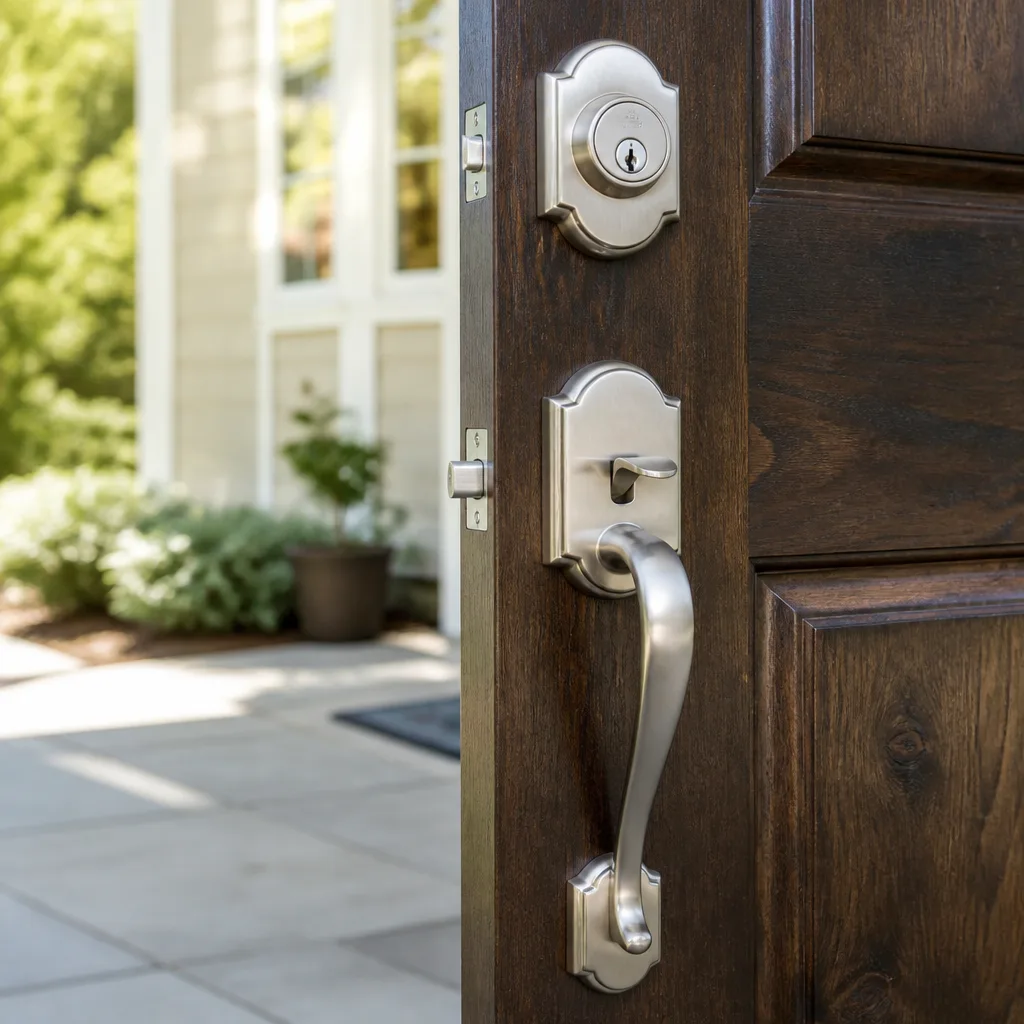
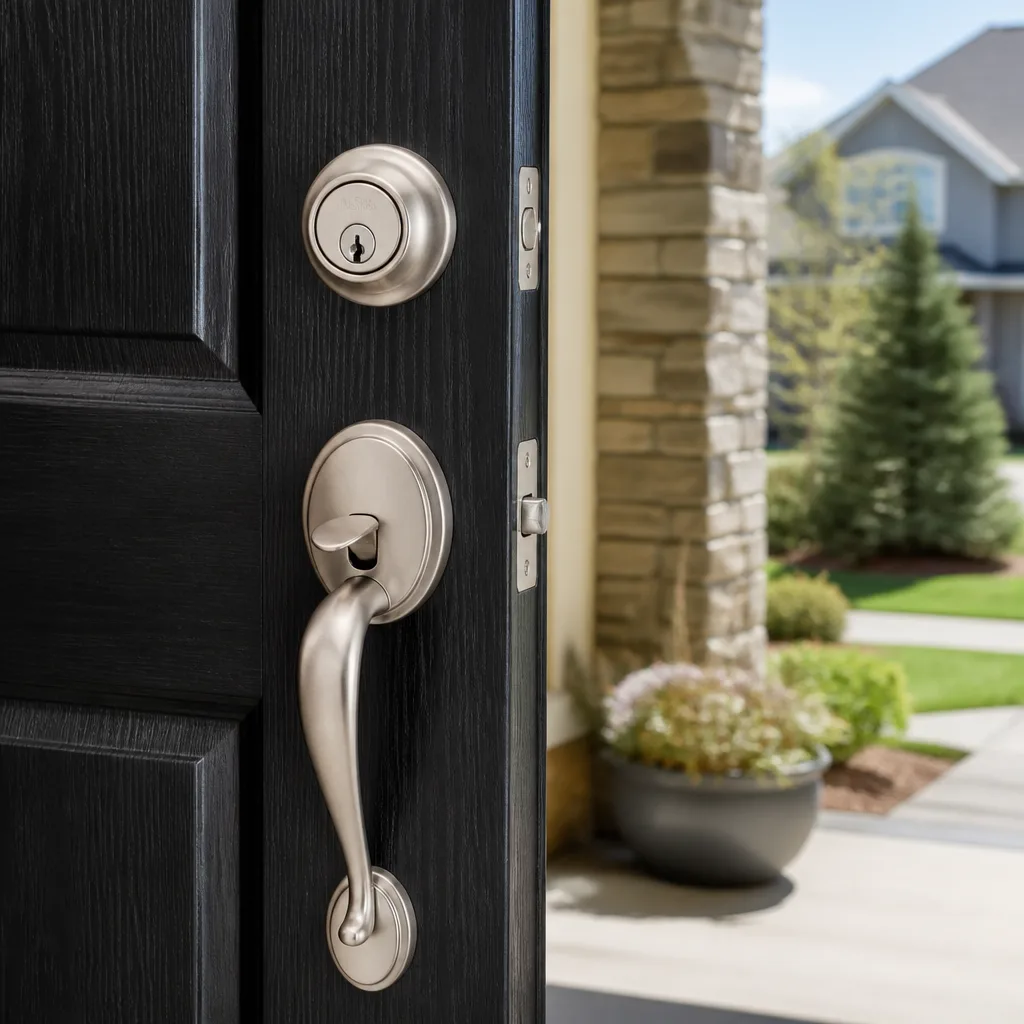
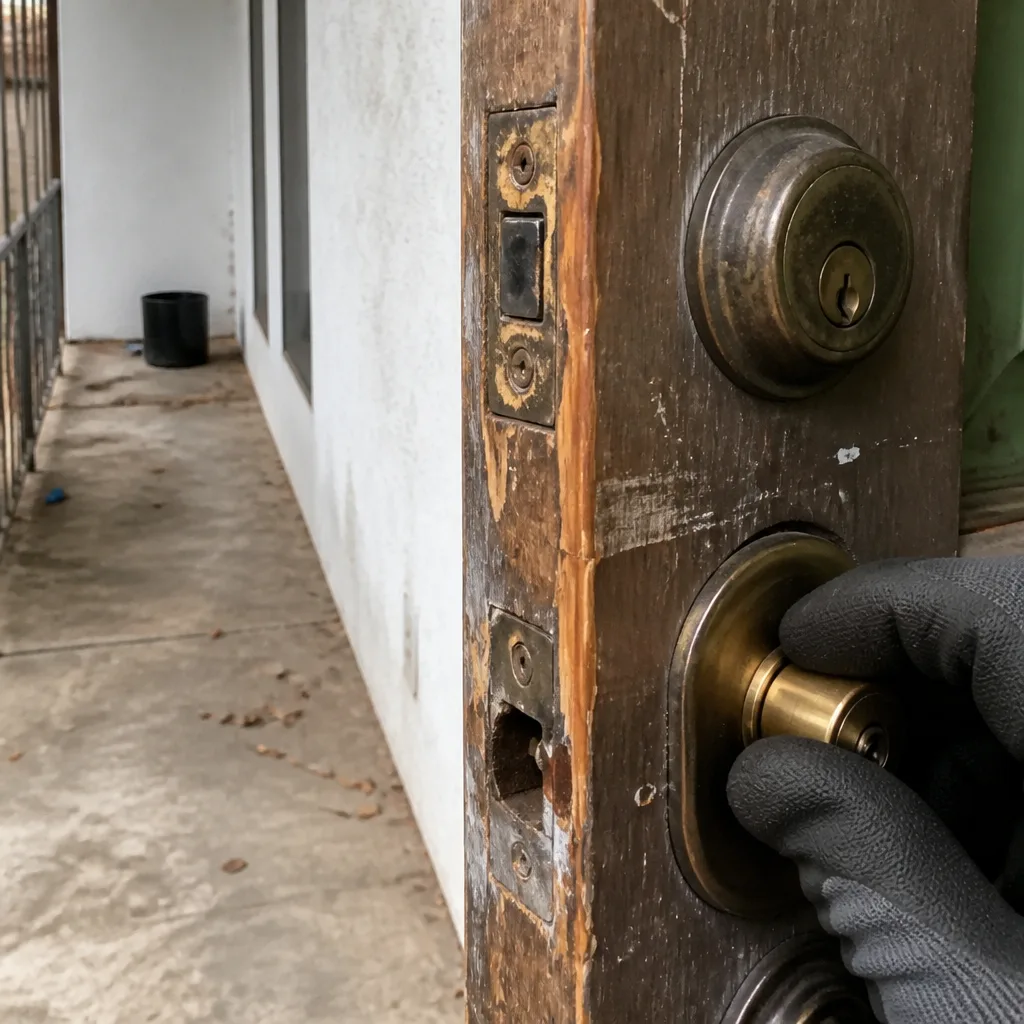 Before
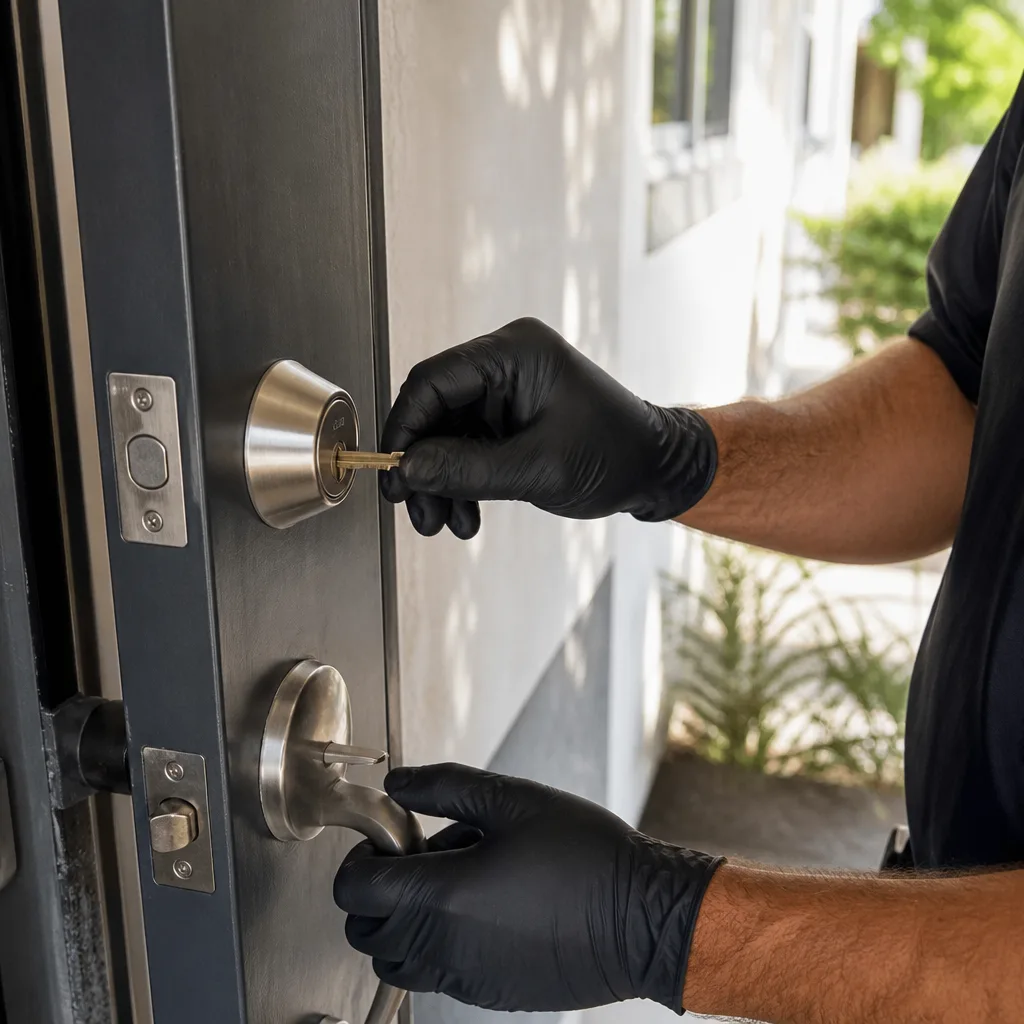 After
AfterDIY vs Professional Commercial Locksmith: What’s Safe to Do Yourself
Here’s a reality most building managers in Los Angeles don’t hear until it’s too late: the line between what you can legally and safely handle on your own commercial locks and what requires a licensed locksmith is drawn not by mechanical difficulty, but by California law, your insurance policy, and fire code. Replacing a standard knob on an interior office door is genuinely DIY territory. Adjusting the backcheck on a fire-rated door because it slams too hard is an entirely different situation, one that can void the door’s UL rating and give your insurer a reason to deny a claim. This guide walks through exactly where that line sits, what you can handle this afternoon with basic tools, and when calling a Commercial Locksmith services professional is the only move that keeps you out of trouble.
Quick Answer
Building managers and business owners can safely handle basic maintenance like lubricating cylinders, tightening loose screws, and replacing standard interior door knobs on non-rated doors. Anything involving master key systems, panic hardware, fire-rated doors, access control wiring, or any work governed by California BSIS licensing should go to a licensed commercial locksmith in Los Angeles. The deciding question isn’t “can I figure this out?” but “will my lease, insurer, and fire inspector still cover me if I do?”
Table of Contents
- Where the Legal Boundary Sits in California
- Safe DIY Tasks: What You Can Handle This Afternoon
- Hard Stops: Work You Should Never DIY
- Insurance and Lease Implications Most Managers Miss
- Using a Professional Strategically Without Overpaying
- Common Mistakes to Avoid
- When to Call a Professional
- Frequently Asked Questions
Where the Legal Boundary Sits in California
California regulates locksmithing through the Bureau of Security and Investigative Services (BSIS). The state requires a locksmith license for anyone who performs locksmith services for compensation, but the regulation doesn’t end there. What matters for a building manager is how BSIS defines locksmith work and where California’s Business and Professions Code draws the line between maintenance and licensed labor.
In practical terms, the state treats work that changes the security function of a lock, rekeys cylinders, originates keys to a master system, or modifies exit hardware as locksmith work. If you are an employee of the building owner performing routine upkeep on doors you already manage, basic lubrication and tightening is not a licensing issue. But the moment you rekey a cylinder so a former tenant’s key stops working, you have crossed into territory where California expects licensed work.
Several Los Angeles commercial lease agreements also contain clauses specific to this. Landlords in Downtown LA, Century City, and the industrial corridors around Vernon and Commerce frequently write lease language requiring that any lock or key system changes be performed by a licensed locksmith and documented in writing. A tenant who swaps a lock themselves and hands a copy of the key to the front desk has technically performed an unauthorized alteration. That can trigger a lease default even if the new lock works fine.
The takeaway: maintenance is yours. Security changes are ours. If you are unsure which side of the line a task falls on, call a Los Angeles commercial locksmith and ask. A good one will tell you plainly whether you need a technician or a can of graphite, and they won’t charge you for the answer.
Safe DIY Tasks: What You Can Handle This Afternoon
Some of the most common commercial lock frustrations in Los Angeles buildings have do-it-yourself fixes that take under ten minutes. These tasks do not alter the security function of the lock and fall squarely on the maintenance side of the legal line.
Lubricating stiff cylinders
Dry, gritty lock cylinders are common in Los Angeles, especially in older buildings near the coast where salt air accelerates oxidation, or in the Valley where fine dust works its way into keyways. When a key starts sticking or requires a jiggle, the fix is often as simple as a dry lubricant. Use a graphite powder or a PTFE-based dry lube, never WD-40. Wet lubricants attract dust and turn into a paste inside the cylinder. Insert the straw nozzle into the keyway, give one short blast, work the key in and out several times, and wipe the key clean. Do this twice a year on high-use doors and you will prevent most “my key won’t turn” service calls.
Tightening loose strike plates and hinge screws
Door hardware loosens over time from daily use, and in Los Angeles commercial buildings with high foot traffic, a loose strike plate is one of the top reasons doors stop latching cleanly. Remove the two or three screws holding the strike plate, check that the holes aren’t stripped, and if they are, use longer screws that bite into the door frame behind the jamb, or pack the holes with a wooden toothpick and wood glue before re-driving the screws. This is routine maintenance, not locksmith work.
Replacing a standard knob on a non-rated interior door
An interior office door with no fire rating, no panic bar, and no access control is fair game for DIY. A standard Schlage or Kwikset knob installs with a Phillips screwdriver in 20 minutes. Remove the two screws on the interior rose, pull the knobs apart, slide the latch out, slide the new latch in with the beveled side facing the strike, and reverse the process. If the door is fire-rated, marked with a metal tag, or equipped with a closer and exit hardware, stop and call a professional-see our DIY vs Professional Locksmith: The Los Angeles Homeowner’s Decision Guide for more context. The UL label on a fire-rated door covers the entire assembly, and swapping any component without documentation breaks the rating.
Hard Stops: Work You Should Never DIY
These are the tasks that look manageable but carry legal, insurance, or physical risk. In our experience across Los Angeles, the most expensive repairs follow a well-meaning DIY attempt on one of these systems.
Rekeying or modifying a master key system
Any building using a master key system, which includes most mid-size and larger Los Angeles office buildings, apartment complexes, and medical facilities, should treat the master key chart as a controlled document. One changed cylinder without the corresponding chart update compromises every key level above it. A building engineer who rekeys one office door and cuts a new tenant key without logging it against the master has just created a key that may also open the mailroom, the roof access door, or the electrical room. Fixing that mistake usually requires rekeying the entire level, which costs far more than the original service call would have. Sargent and Abloy systems are especially unforgiving because of their key control restrictions, meaning you can’t just duplicate a key at the hardware store on Wilshire and be done with it.
Adjusting or replacing panic hardware
Panic bars and exit devices on commercial doors are governed by fire code and life safety code. Adjusting the tension, swapping a broken component, or replacing an exit device changes how the door releases in an emergency. An improperly installed panic bar can fail to unlatch under pressure, and that failure is not something you want to explain to a Los Angeles Fire Department inspector after an incident. This is licensed locksmith territory, full stop.
Any work on fire-rated or UL-listed doors
This deserves repetition. A fire-rated door is a tested assembly, not just a slab of wood with a tag. The frame, hinges, closer, latch, and even the screws holding the hinges are part of the rating. When a building manager replaces a closer on a rated door because the old one started leaking fluid, and the new closer isn’t the identical model, the door’s rating is void. The same applies to swapping a mortise lock body on a rated door. Your Los Angeles insurer will not cover a claim on a door that has been modified without documentation. This is the single most common code violation we see in older commercial buildings downtown and along the 10 corridor.
Access control system wiring
Access control involves low-voltage wiring, software configuration, credential programming, and door hardware integration. A loose wire at the power supply can leave a door locked during a fire alarm evacuation or unlocked after hours with no audit trail. California fire code requires that access-controlled doors release on alarm in most configurations, and that release mechanism has to be tested. This is not a category where you learn on the job.
Insurance and Lease Implications Most Managers Miss
The legal question of whether you can do something yourself is only the first layer. The second layer is what happens afterward if something goes wrong, and in commercial property, that answer lives in your insurance policy and your lease.
How an undocumented hardware swap complicates a burglary claim
Commercial property insurers in California expect that after a break-in, you can produce evidence of how the point of entry was secured. If a tenant changed a lock themselves, no work order exists, no licensed locksmith can attest to the condition of the hardware, and the carrier has an open door to dispute the claim on the grounds that the security system had been altered by an unqualified party. This isn’t hypothetical. Claims adjusters look for exactly this kind of documentation gap. A written work order from a licensed locksmith closes that gap. A receipt from a hardware store does not.
Tenant-performed lock changes as lease violations
Most commercial leases in Los Angeles include a clause requiring landlord consent for alterations, and courts have treated lock changes as alterations. A tenant who rekeys without telling the landlord, or installs a smart lock that the landlord cannot access, has potentially defaulted on the lease. We have worked with Los Angeles property managers who discovered an unauthorized tenant rekey during a routine inspection and had to pay to restore the original keying and re-document the door. The lease is a contract, and the lock is part of the premises. Treat it that way.
Using a Professional Strategically Without Overpaying
The smartest building managers in Los Angeles don’t call a locksmith for every small thing, and they don’t try to handle everything themselves either. They use a professional strategically, and that usually looks like this: one annual inspection and service visit, plus a short list of DIY upkeep tasks between visits.
What to ask a locksmith to teach you during a service visit
- Which of your doors are fire-rated. Ask the technician to identify every rated door on the property and explain what that means for maintenance. Most building managers are surprised to learn which doors carry ratings.
- How to lubricate your specific hardware properly. Different cylinders may need different treatment. A Mul-T-Lock high-security cylinder and a standard Schlage knob are not the same inside.
- Which screws matter most. Ask which hardware on your highest-use doors tends to loosen first and how often you should check it.
- What your master key chart covers. If your building has a master system, understand which doors are on which key levels and what happens if someone loses a key.
- What the annual inspection should include. A good commercial locksmith will walk you through a checklist of what they examine each year: hinge wear, closer adjustment, latch alignment, cylinder condition, exit hardware function, and access control battery backup.
An annual inspection on a small to mid-size Los Angeles commercial building might find a failing closer on a stairwell door or a strike plate that is about to pull loose, problems that cost a few hundred dollars to fix proactively versus a few thousand in an emergency call after hours. The commercial locksmith in Los Angeles you choose should be willing to document everything: a written price before any work starts, and a written guarantee covering the repair for one full year. If they won’t put it in writing, you’re not hiring a locksmith, you’re hoping for one.
And for the DIY tasks above, a good technician will walk you through what is safe for your staff to handle between visits. That is the difference between an emergency-chasing vendor and a real service partner. It’s also how we operate at Ridley Locksmith & Security home, part of the Garrison Partners family since 2007 and held to The Garrison Standard on every job, from a simple rekey to a full residential locksmith in Los Angeles service call. Our technicians are background-checked and uniformed, and a live person answers the phone 24 hours a day, seven days a week.
Common Mistakes to Avoid
- Using WD-40 on lock cylinders. It frees a stuck key today and gums up the pins with dust and residue within months. Use graphite or a PTFE dry lube instead.
- Rekeying just one door in a master system. You have broken the key chart and now a copy of your master may be walking around Los Angeles in the hands of someone who shouldn’t have it. The fix is expensive.
- Swapping a closer on a fire-rated door. You voided the UL rating with a different model. Your insurer wants a documented install from a licensed locksmith, not a manager with a drill.
- Letting a tenant change their own lock. Besides the lease default risk, you now have a door you cannot access in an emergency and no work order showing who did the work or when.
- Buying smart locks without a plan. A Wi-Fi deadbolt on a commercial door may violate your building’s fire code egress requirements if not configured correctly, and many require professional installation to function with existing hardware.
- Ignoring loose hardware until it fails. The strike plate that has been loose for six months is the one that finally lets go at 7:45 on a Monday morning with the door locked shut and the opening staff standing in the parking lot.
When to Call a Professional
Call a licensed commercial locksmith when the work touches security, code, or insurance: rekeying any cylinder in a master system, adjusting or replacing panic hardware, touching a fire-rated door, wiring access control, or any situation where a key is lost and the building’s security is compromised. Also call when you want documentation. A written work order and a written guarantee are worth the service call on their own because they protect you when something is challenged later. Rekey locks in Los Angeles is one of the most common services we perform for commercial clients, always with a written price before any work starts and the 365-Day Done Right Promise backing every repair. Ridley Locksmith & Security offers free estimates in Los Angeles, call (956) 275-7388.
Frequently Asked Questions
California does not require a locksmith license for a building owner or manager performing basic maintenance like tightening screws or replacing a standard knob on a non-rated door, but rekeying cylinders or modifying exit hardware for the purpose of changing access constitutes locksmith work and should be handled by a licensed professional. If you’re asking where the line sits for a specific task, call a commercial locksmith and describe it: the honest ones will tell you if it’s DIY territory at no charge.
The risk is that you break the key chart: the document that defines which keys open which doors at which levels. One unlogged rekey can create a key that opens doors across the building that it was never meant to touch, and the correction often requires rekeying every cylinder on that level. The cost of fixing a DIY master key mistake consistently exceeds the cost of hiring a licensed locksmith from the start, as detailed in our DIY vs Professional Rekey Locks: What’s Safe to Do Yourself breakdown.
Yes. A fire-rated door is a tested assembly where the frame, hinges, closer, latch, and hardware are all part of the rating. Swapping any component for a different model without documentation voids the UL listing, and an undocumented hardware change can give your insurer grounds to dispute a claim. This is one of the most common code violations we see in Los Angeles commercial buildings.
A commercial service call in Los Angeles typically runs between $85 and $150 for the visit, with rekeying a single cylinder at roughly $25 to $45 per cylinder and a full door hardware replacement starting around $250 and going up depending on the hardware grade and brand. High-security hardware from lines like Medeco, Mul-T-Lock, Abloy, and Sargent carries a higher material cost because of key control and patented blank restrictions. Every job at Ridley Locksmith & Security gets a written price before any work starts, and that price is the price on the invoice, no dispatch fee surprises. Call (956) 275-7388 for an exact quote, estimates are free.
Usually not without landlord consent. Lock changes are treated as alterations under most commercial lease language, and a tenant-performed swap can constitute a lease default regardless of how well the new lock works. The safest route is to have the work done by a licensed locksmith with a written work order that documents exactly what was changed and when.
Ask if they carry a California BSIS locksmith license, whether they provide a written price before dispatch, whether their technicians are employees or subcontractors, and what their written guarantee covers if the repair fails. A legitimate Los Angeles commercial locksmith will answer all four without hesitation. Ridley Locksmith & Security is part of the Garrison Partners family, every technician is background-checked and uniformed, and every job carries a written guarantee covering the repair for one full year.
The Bottom Line
The DIY versus professional question for commercial locks comes down to three things: legal exposure, insurance coverage, and the hidden cost of a mistake. Routine lubrication and screw tightening are maintenance, and handling those in-house keeps your doors working between service visits; explore our more guides & resources for additional upkeep tips. But master key work, fire-rated hardware, panic bars, and access control are not where you learn by doing. A licensed Los Angeles commercial locksmith carries the license, the documentation, and the written guarantee that protect you when something goes wrong. And the most cost-efficient model is not either DIY or professional: it’s a scheduled professional partnership, one annual visit plus the small upkeep you handle yourself in between. Call (956) 275-7388 for a free estimate and a written price before any work begins, and find out what your building actually needs.
Written by Drew Kowalski, Owner at Ridley Locksmith & Security, serving Los Angeles since 2007.