
Last updated October 9, 2026
Non-destructive entry first, always - and we re-key Schlage, Kwikset, and Baldwin locks on the spot while you watch
You get a price before we start. It does not change when we arrive. No surprises.
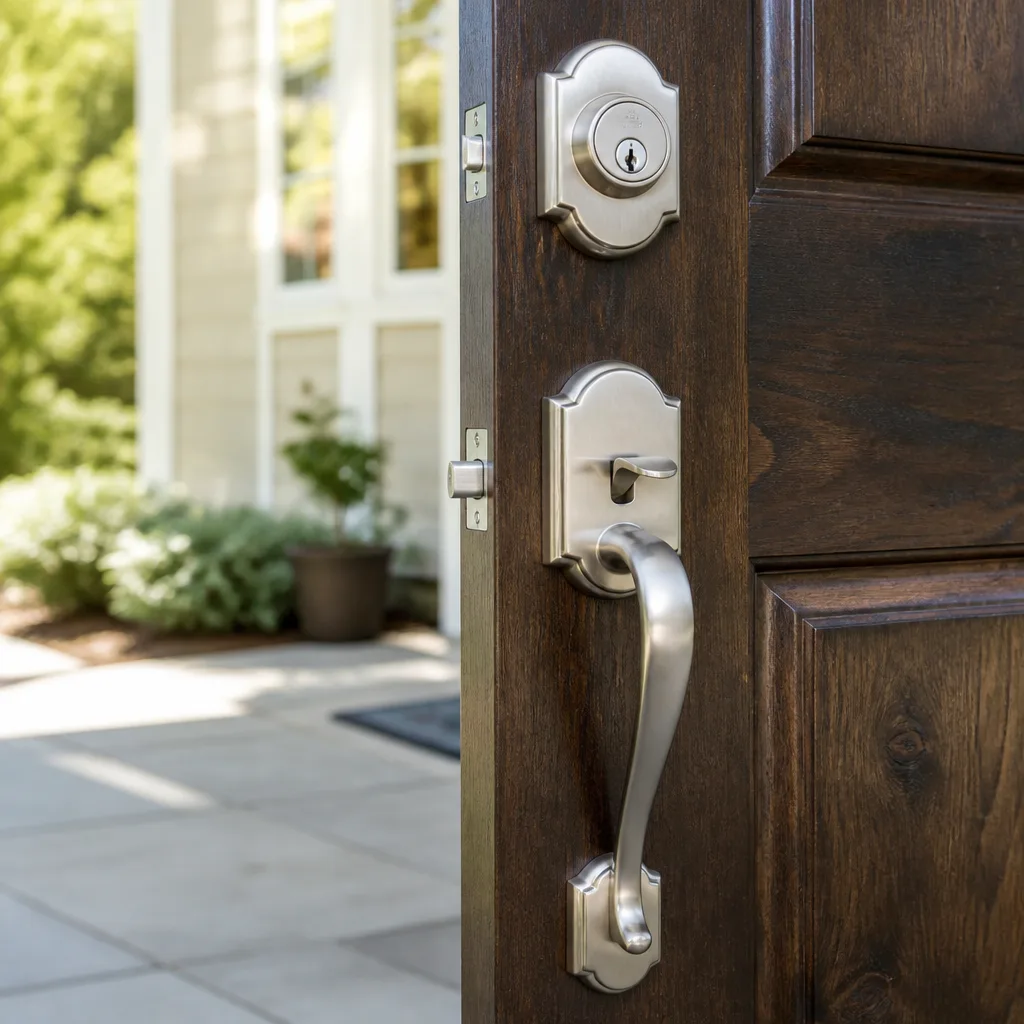
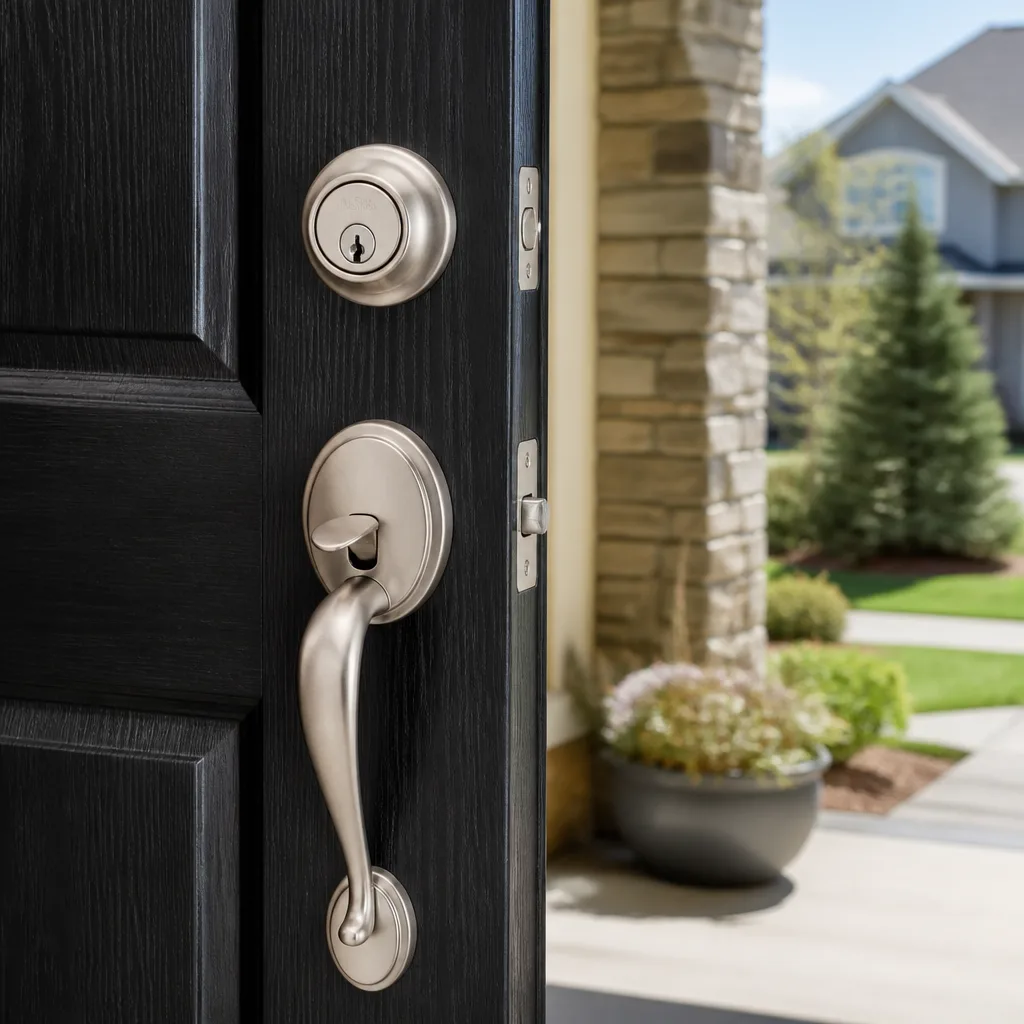
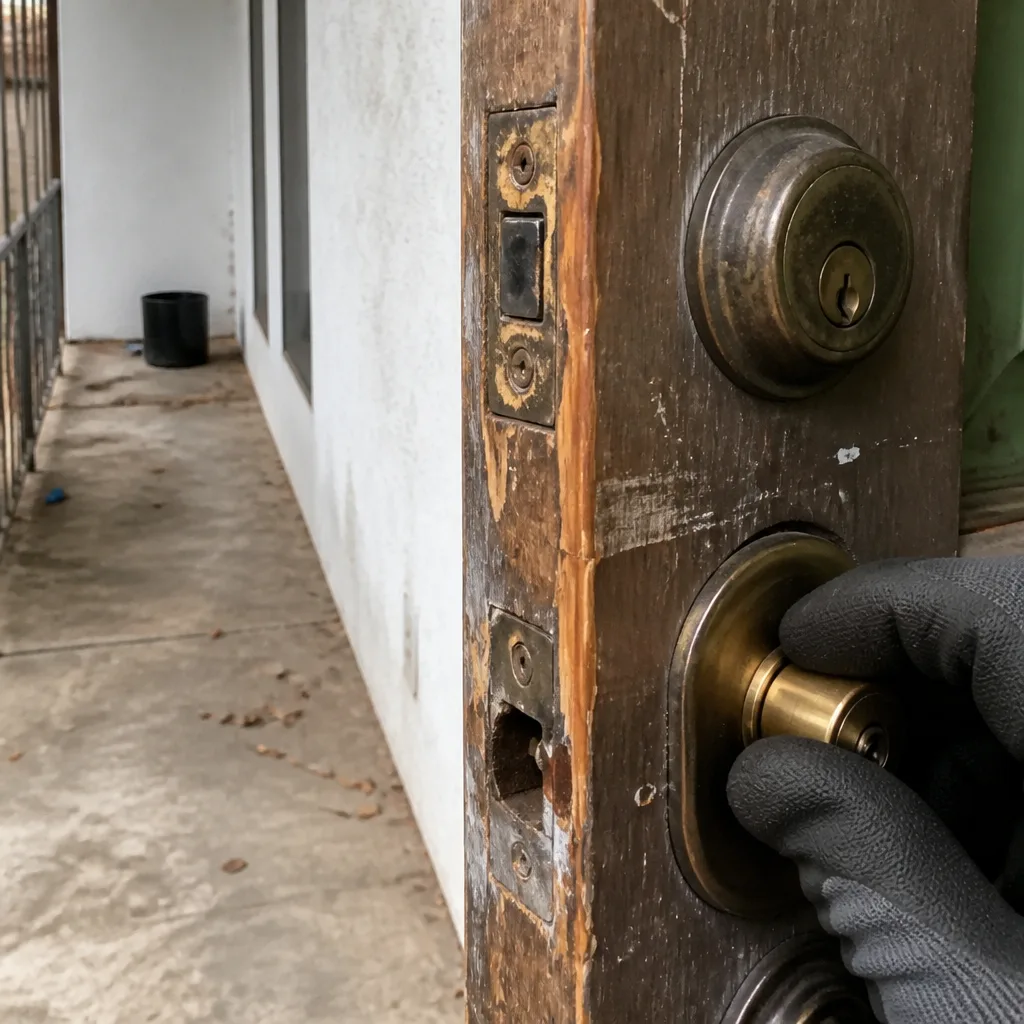 Before
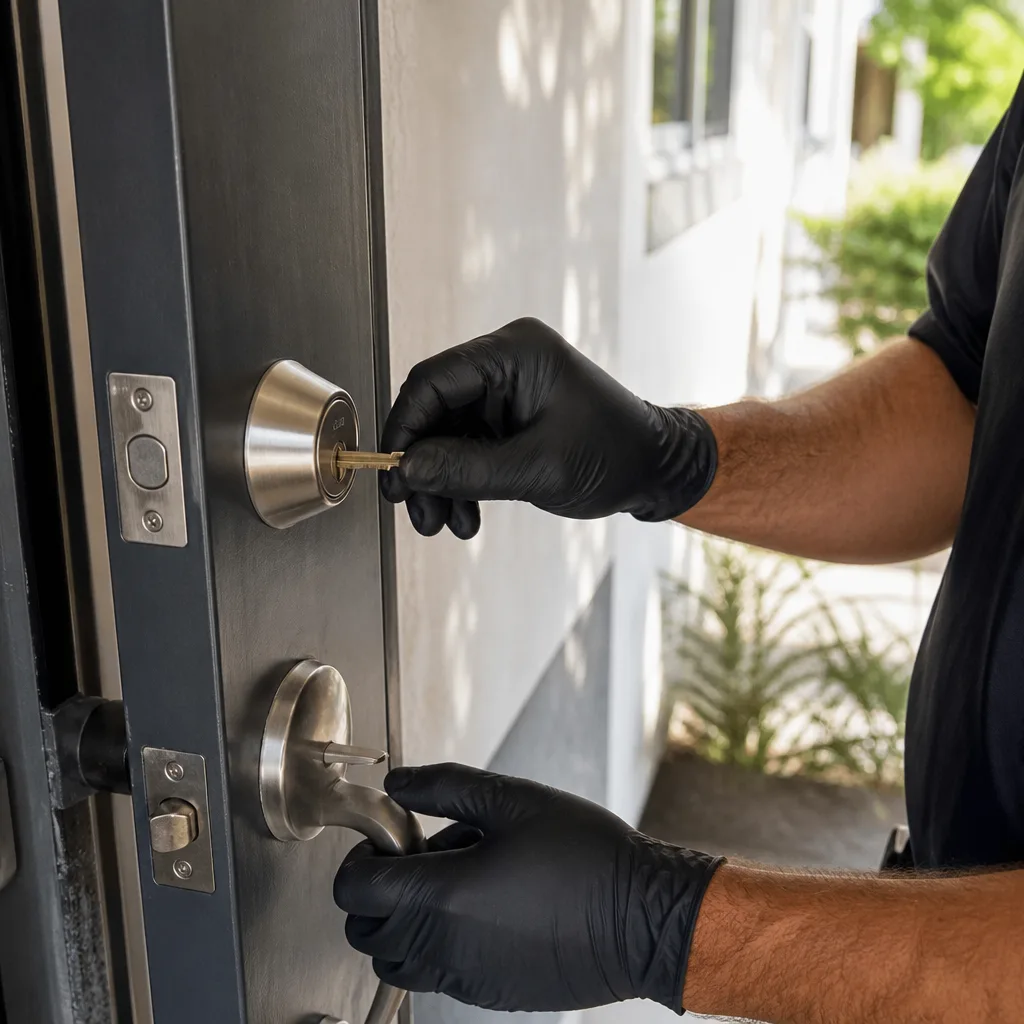 After
AfterThe Complete Rekey Locks Guide for Los Angeles Homeowners
Most Los Angeles homeowners asking about rekeying don’t realize that roughly 30% of residential doors in older LA housing stock – Craftsman bungalows in Highland Park, mid-century duplexes in the Valley, Spanish-style homes in West Adams – still carry mismatched or worn hardware that can make a rekey fail within months. The lock works on day one, then starts sticking, grinding, or refusing the new key by spring. This guide is built around one idea: rekeying in Los Angeles isn’t a one-size-fits-all procedure. The city’s mix of older pin-tumbler hardware, high-security deadbolts, and HOA-mandated locksets means the right approach depends entirely on what’s already in your door. You’ll learn how to identify what you have, what it costs, what can go wrong, and how to verify the work was done correctly before the technician’s van pulls away.
Quick Answer
Rekeying a lock in Los Angeles means changing the internal pins inside the lock cylinder so the old key no longer works and a new key operates the lock. It typically costs $75 to $160 per lock for standard residential hardware, takes 15 to 30 minutes per lock, and requires no new hardware. The right rekey method depends on your lock’s brand and condition – and in Los Angeles, the age of your building plays a bigger role than most people expect.
Table of Contents
- How LA’s Housing Stock Age Affects Rekeying
- Rekey vs. Replace: How to Decide
- Keying Alike: What Multi-Unit Owners Get Wrong
- Kwikset SmartKey vs. Traditional Pin-Tumbler Rekey
- Los Angeles-Specific Triggers for Rekeying
- What Rekeying Costs in Los Angeles
- How to Verify the Rekey Was Done Correctly
- Common Mistakes to Avoid
- When to Call a Professional
- Frequently Asked Questions
How LA’s Housing Stock Age Affects Rekeying
Los Angeles has one of the most varied housing inventories in the country. A single block can have a 1920s Craftsman next to a 1980s stucco box next to a 2015 ADU. That mix matters for rekeying because each era shipped with different lock hardware. Homes built before roughly 1950 often have original mortise locksets, and many of those have been retrofitted with cylindrical locks from whatever hardware store was closest at the time of the remodel. Homes from the 1960s and 1970s frequently carry Schlage or Kwikset original hardware, much of it now 50 to 60 years old. Homes from the 2000s onward usually have builder-grade Kwikset or Schlage locks that rekey cleanly – unless someone installed a SmartKey cylinder along the way.
Here’s what this means in practice. We regularly see three scenarios across Los Angeles:
- Older hardware that’s still rekeyable. A pin-tumbler Schlage deadbolt from 1975 can often be rekeyed without issue if the cylinder isn’t worn. The pins are standard, the plug comes out cleanly, and the new key works smoothly.
- Worn hardware that will fail a rekey. If the keyhole feels loose, if the key has play when inserted, or if the lock has been in service for 40-plus years, the internal chambers that hold the pins may be worn enough that new pins won’t seat correctly. The rekey “takes” but the lock starts failing within weeks or months.
- SmartKey cylinders that get rekeyed the wrong way. Kwikset SmartKey locks use a tool-based rekey system – no pin removal required. Done correctly, it’s fast and reliable. Done incorrectly, by someone who doesn’t fully seat the new key or skips the reset step, the lock can end up operating with both the old and new keys, which defeats the entire purpose of the rekey.
The takeaway for Los Angeles homeowners: before you pay for a rekey, know what’s on your door. A technician who shows up and says “every lock can be rekeyed” isn’t necessarily right. Some locks should be replaced, and a straight answer up front tells you more than a smooth sales pitch.
Rekey vs. Replace: How to Decide
Rekeying changes the internal pins. Replacing changes the entire lock body – cylinder, housing, trim, everything. Rekeying is cheaper and faster, but it isn’t always the right call. Here’s the decision framework we use when a Los Angeles customer asks which one they need:
Rekey when the lock is in good mechanical condition. The deadbolt throws cleanly, the key doesn’t wobble in the cylinder, and the finish isn’t corroded. You want new keys without buying new hardware. This is the standard situation after moving into a new home, after a tenant turnover, or after a key goes missing.
Replace when the lock is worn, damaged, or you want an upgrade. If the lock is sticking, if the key has to be jiggled, if the deadbolt grinds against the strike plate, or if you’ve been thinking about moving to a high-security cylinder from Medeco or Mul-T-Lock, replacement makes more sense. Putting new pins into a worn cylinder is like putting new strings on a guitar with a cracked neck – the fundamental problem stays.
Rekey when you need keying alike. If you have three doors with three different keys and want one key to operate all of them, a rekey accomplishes that without removing any hardware from the door. This is one of the most common requests we get from Residential Locksmith in Los Angeles customers who’ve lived with a keyring full of lookalike keys for years.
Here’s a practical test: when you insert your key, does the cylinder turn only when you apply pressure in a specific direction? Does the key bind halfway in? Does the lock feel loose in the door? If you answered yes to any of these, ask a technician to assess the lock’s mechanical condition before agreeing to a rekey. A reputable shop will tell you when replacement is the honest recommendation.
Keying Alike: What Multi-Unit Owners Get Wrong
Keying alike means configuring two or more locks so the same key operates all of them. It’s a common request in Los Angeles – but it’s also one of the most misunderstood locksmith terms. The confusion usually involves multi-unit buildings, and the misunderstanding can result in a security problem nobody noticed until it’s too late.
The mistake we see most often: an owner of a duplex or fourplex in neighborhoods like Echo Park or Jefferson Park asks to have all units keyed alike, thinking it means each tenant’s key opens every unit. That’s not keying alike. That’s a master key situation where one key opens all units – and even then, you don’t want every tenant holding that key. What most multi-unit owners actually want is keyed different: each unit has its own unique key that opens only that unit’s locks. The owner or property manager holds a master key that opens everything.
Here’s the distinction in plain terms:
- Keyed alike: Multiple locks, one key. Within a single unit, this means the deadbolt and the knob are keyed alike so one key operates both. This is what you want on your own front door.
- Keyed different: Multiple locks, multiple keys, one per unit. This is what you want on a duplex or fourplex so tenants don’t have access to each other’s space.
- Master keyed: All locks work with at least two different keys – the unit key and the master key. This is for owners, managers, and the cleaning crew, not for every tenant.
The correct phrasing from a customer’s side: “Key my deadbolt and knob alike within my unit, and key each unit different from the others.” That gets everyone – including the locksmith – on the same page. And when we’re called to a Commercial Locksmith in Los Angeles job involving multiple units, the first question we ask is who should hold which key. If that question doesn’t get asked, the security plan isn’t a plan.
Kwikset SmartKey vs. Traditional Pin-Tumbler Rekey
There are two rekey systems you’ll encounter in Los Angeles homes, and they work in fundamentally different ways. Knowing which one you have helps you understand the price, the speed, and the long-term reliability of the job.
Traditional pin-tumbler rekey. This is the classic method and still the most common. The technician removes the lock cylinder from the door, extracts the plug using a tool called a plug follower, removes the old pins, and installs new pins that match the cuts on your new key. It requires a pin kit, a follower, and a workspace. It takes 15 to 30 minutes per lock, depending on the condition of the hardware. When done correctly – and we’ve been doing it in Los Angeles since 2007 – it produces a rekey that holds up for the life of the cylinder. Brands like Schlage, Yale, Baldwin, and older Kwikset locks use this system.
Kwikset SmartKey rekey. SmartKey cylinders use a different internal mechanism that allows rekeying without removing the plug. The technician inserts the current working key, turns it 90 degrees, inserts a small learning tool, removes the old key, inserts the new key, and turns it back. Done in 30 seconds. No pins, no follower, no disassembly. Kwikset marketed this as a homeowner feature, and many Los Angeles homes built after about 2009 have SmartKey locks on at least one door.
The reliability question: a properly executed SmartKey rekey works fine, but the system is less tolerant of error than a traditional pin-tumbler rekey. If the technician doesn’t fully seat the new key, or if the cylinder has internal wear, the old key can sometimes continue to work alongside the new one. A traditional rekey has a mechanical certainty to it – the old pins are gone, not present and bypassed. For that reason, when a customer asks us which system we prefer, the answer is that we work on both but trust the traditional method more for long-term reliability. That said, there’s nothing wrong with SmartKey when it’s done carefully and the lock’s condition is verified.
Los Angeles-Specific Triggers for Rekeying
Every city has reasons to rekey, but Los Angeles has patterns that don’t show up in, say, Cleveland or Tampa. The triggers here loop back to the same three threads: tenant turnover, Airbnb ownership, and wildfire evacuation key handoffs.
Tenant turnover. Los Angeles has a massive rental market, and turnover is constant. When a tenant moves out of a unit in Koreatown or Mar Vista, the landlord should rekey that unit before handing the key to the next tenant. Not next week, not after the paint dries – before anyone new walks in. The departing tenant may have made copies. Their friend, their cousin, their ex – one of those copies exists and one of those people still lives across town. Rekey on the day of turnover, every time. It’s the highest-return security decision a landlord can make in this city.
Airbnb ownership transitions. When a short-term rental changes hands or a new co-host takes over management, the key history is murky. Multiple guests have held keys across months. Some hosts use lockboxes with codes that rotate, but once that unit sells and the new owner moves in, the first thing they should do is rekey every exterior door. We’ve had calls from new homeowners in Silver Lake and Echo Park who took possession with keychains from the previous owner still holding loose keys that no one could account for.
Wildfire evacuation key handoffs. This one is specific and underdiscussed. During evacuations in places like Topanga, Porter Ranch, or the foothill communities along the 210, neighbors hold keys for each other. Sometimes the handoff chain breaks. A neighbor passes a key to a friend who passes it to a contractor who was checking on the house. The evacuation ends, everyone comes home, and nobody remembers who still has a copy. After any wildfire event where your key left your possession, rekey the house. It’s a cheap procedure relative to the alternative.
What Rekeying Costs in Los Angeles
Here are honest price ranges for rekeying in Los Angeles. These are what we consider fair market rates for standard residential hardware in 2026:
| Service | Typical Range | Notes |
|---|---|---|
| Standard pin-tumbler rekey, first lock | $95 – $160 | Includes service call and labor |
| Each additional standard lock | $25 – $40 | Same visit, same key |
| Kwikset SmartKey rekey | $45 – $75 | Faster, tool-based |
| High-security cylinder rekey (Medeco, Mul-T-Lock) | $75 – $150 per cylinder | Requires specialized training and tools |
| Key cutting, per key | $5 – $15 | Standard residential blank |
Three things to know before you call anyone:
- The price you’re quoted on the phone should be the price on the invoice. No arrival surcharge, no “it turned out to be more complex” markup. At Ridley Locksmith & Security, we deliver a written price before any work starts – not a verbal estimate, a written document. The bait-pricing problem in locksmithing is real and it’s one of the reasons we get so many second-opinion calls.
- The service-call fee structure varies. Some shops quote a low first-lock price and make it up on the trip charge. Ask what the total will be, not just the per-lock rate. Our standing practice is to tell you the full price before anyone is dispatched.
- High-security locks cost more, because the hardware is different. If you have a Medeco or Mul-T-Lock cylinder, the rekey requires the right pin kit and the right training. A lowball price on a high-security rekey usually means the technician doesn’t actually have the equipment and will either swap out your cylinder for something cheaper or tell you the lock “can’t be rekeyed” and try to sell you a replacement.
For specific pricing on your exact locks, the fastest route is to call (956) 275-7388 and describe what’s on your door. We’ll tell you the cost before anyone is dispatched.
How to Verify the Rekey Was Done Correctly
A rekey is finished when you’ve tested it. Don’t wait for the technician to leave and then discover the old key still works. Here’s the verification routine we recommend every homeowner run while the technician is still at the property:
- Test the new key in every rekeyed lock. Insert, turn, open. The key should operate the lock smoothly in both directions. If it sticks, jiggles, or requires force, that’s a problem to flag now, not later.
- Test the old key. Take the old key and try it in the rekeyed lock. It should not turn. It shouldn’t even partially turn. It should feel like a wrong key in a new lock. If the old key moves the cylinder at all – even slightly – the rekey wasn’t done cleanly.
- Test every key you received. If you got three new keys, test all three. There’s a difference between a mis-cut key and a badly cut key. A properly cut key doesn’t need to be “worked in.” It should work immediately.
- Test the lock from the inside too. Some locks, especially older deadbolts, operate differently from the interior side. The thumb-turn should be firm but not stiff, and the key should operate the same deadbolt from the inside if there’s a keyway there.
- Check the hardware mounting. After any rekey that involved removing the cylinder, the screws should be tight, the faceplate should be aligned, and the deadbolt should throw fully into the strike plate on the door frame. A technician who leaves the mounting loose is a small problem today and a bigger one later.
If anything fails during this test, you’re within your rights to ask the technician to fix it before you pay. And with a company like ours, you’re working under a written guarantee: the 365-Day Done Right Promise covers every rekey for one full year. If the workload fails inside that window – if the key sticks, if the old key somehow works, if the cylinder fails – we come back at no charge. That’s the Garrison Standard, and it’s what separates an accountable shop from a van with a phone number.
Common Mistakes to Avoid
- Rekeying without testing the old key afterward. This is the most common failure in the entire trade. The new key works, everyone’s happy, the technician leaves, and three days later the homeowner finds the old key still opens the side door. Test the old key in every rekeyed lock before the job is signed off.
- Assuming every lock on a multi-unit property needs the same key. As covered above, that’s not keying alike – it’s a master key situation that most tenants shouldn’t have access to. Clarify the keying plan before the work starts.
- Waiting until after move-in day to rekey. Escrow closes, paint goes up, boxes come in, and the rekey gets pushed to “next week.” Every day the old keys still work is a day the previous owner, their family, their cleaner, or their contractor could access your home without a trace.
- Choosing price over verification. The cheapest rekey quote in Los Angeles won’t save anything if the technician doesn’t test the work or if the price changes at the door. The standing offer at Ridley Locksmith & Security is a written price before work starts and a written guarantee covering the work for a full year. That’s not a marketing line, it’s a boundary we hold on every job.
- Skipping the high-security option when it’s already on the door. If your Los Angeles home has a Medeco or Mul-T-Lock cylinder, rekeying it with a generic pin kit is not the same as rekeying it properly. High-security hardware needs the right pins, the right tools, and the right training. The technician should be able to tell you which system you have and what it takes. If they don’t mention the brand, ask.
- Rekeying a lock that should have been replaced. We’ve covered this, but it’s worth repeating here: a worn cylinder that gets rekeyed is a ticking clock. The pins seat poorly, the key binds at angle, and you’ll be paying for a replacement within the year. A good technician tells you this up front.
When to Call a Professional
Rekeying is not a DIY task, and that’s not gatekeeping – it’s practical. It requires a pin kit with the right keyway-specific pins, a plug follower, a workspace, and the ability to reset everything cleanly if a spring launches across the room. If you’re asking “how to rekey locks” in Los Angeles and you’re considering doing it yourself, the honest answer is that most homeowners will spend more on tools than the service costs, and the first attempt will take an afternoon you didn’t have. Call a professional if the lock is on an exterior door, if you need multiple locks keyed alike, if you have high-security hardware, or if you’ve just moved in and need the job done before nightfall. Rekey Locks in Los Angeles is our dedicated page for this exact service – you’ll find full details there. Ridley Locksmith & Security offers free estimates in Los Angeles – call (956) 275-7388.
Frequently Asked Questions
A standard residential pin-tumbler rekey in Los Angeles typically costs $95 to $160 for the first lock, with additional locks on the same visit running $25 to $40 each. Total cost depends on your hardware. Call Ridley Locksmith & Security home at (956) 275-7388 for an exact quote – we give you a written price before any work starts, and that’s the price on the invoice.
A standard rekey takes 15 to 30 minutes per lock for traditional pin-tumbler hardware. Kwikset SmartKey rekeys can be done in under a minute. Most Los Angeles homes with two or three exterior locks are done inside an hour.
If the old key still works, the rekey wasn’t done correctly. This usually happens with Kwikset SmartKey cylinders when the new key wasn’t fully seated during the rekey process, or on worn pin-tumbler hardware where the old pins weren’t fully extracted. Test the old key before the technician leaves. With a Ridley rekey, the 365-Day Done Right Promise covers this – if the old key works at any point inside the guarantee year, we return and fix it at no charge.
Yes. High-security cylinders from Medeco, Mul-T-Lock, and similar manufacturers can be rekeyed, but the technician needs the right pin kit, the right tools, and specific training on that brand. Not every locksmith carries that kit. Ask before booking. Our technicians are trained on Medeco, Mul-T-Lock, Abloy, and Sargent hardware as well as standard Schlage, Kwikset, Yale, and Baldwin lines.
Rekey if the existing locks are in good mechanical condition. Replace if they’re original to a house built before 1980 and visibly worn. Either way, do it on the day you take possession. Every handoff in a real estate transaction is a weak point – the previous owner, agents, contractors, cleaners. Rekey the day you get the keys.
It’s better if you are. You’ll want to test the new keys and the old key while the technician is present, and you’ll want to confirm the keying plan matches what you agreed to. If you absolutely can’t be there, work with a company that has a live person answering the phone and a written guarantee. At Ridley Locksmith & Security, a live person answers 24/7 – not a voicemail, not an answering service – so you’re never left wondering who’s at your door.
The Bottom Line
Rekeying in Los Angeles is a simple procedure with a lot of hidden variables. Your lock’s age, brand, and mechanical condition dictate whether a rekey makes sense or whether replacement is the honest call. The keying plan – keyed alike, keyed different, master keyed – matters more than most people realize, especially on multi-unit properties. And the price you’re quoted is only as good as the company standing behind it. Work with a shop that puts a written price in front of you before any work starts and a written guarantee behind the work for one full year. That’s not asking too much. That’s the baseline for what rekeying in Los Angeles should look like. For more guides & resources, visit our blog.
Written by Drew Kowalski, Owner at Ridley Locksmith & Security, serving Los Angeles since 2007.