
Last updated October 9, 2026
Non-destructive entry first, always - and we re-key Schlage, Kwikset, and Baldwin locks on the spot while you watch
You get a price before we start. It does not change when we arrive. No surprises.
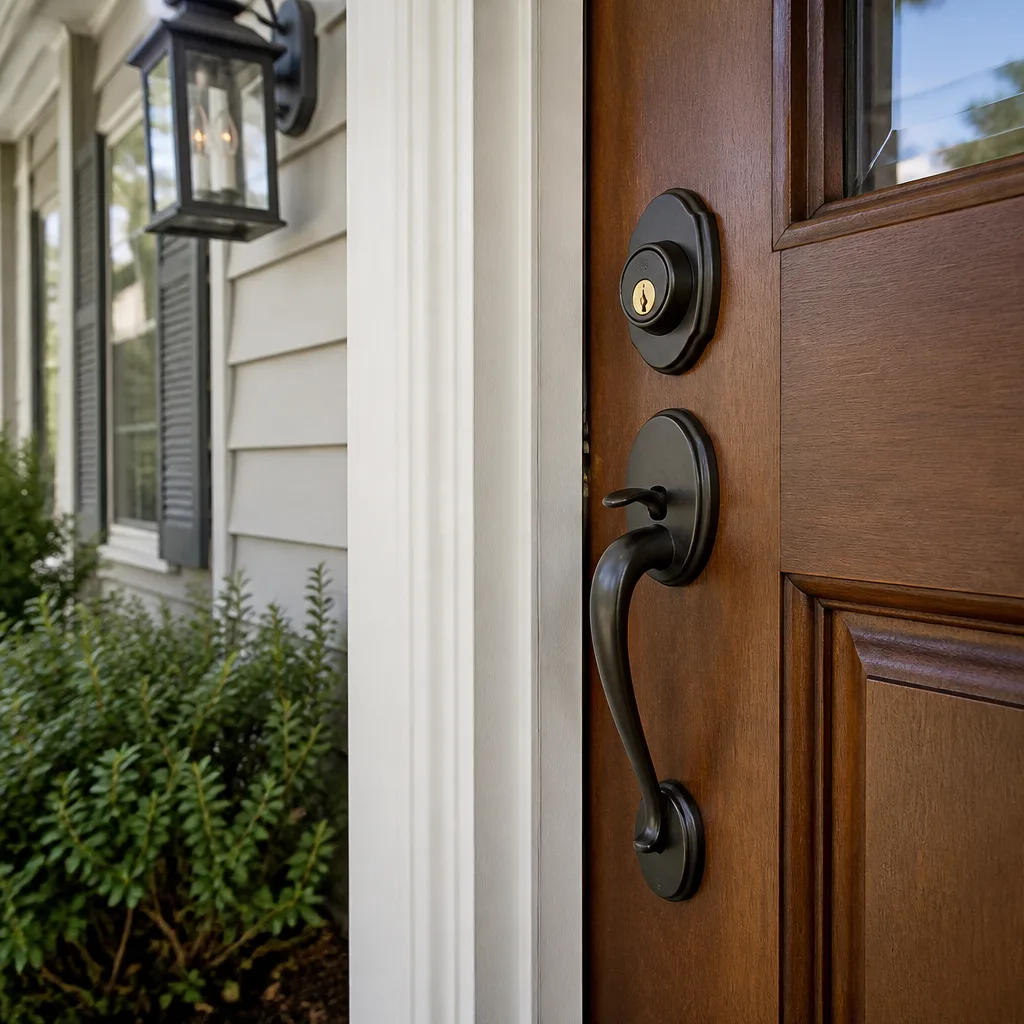
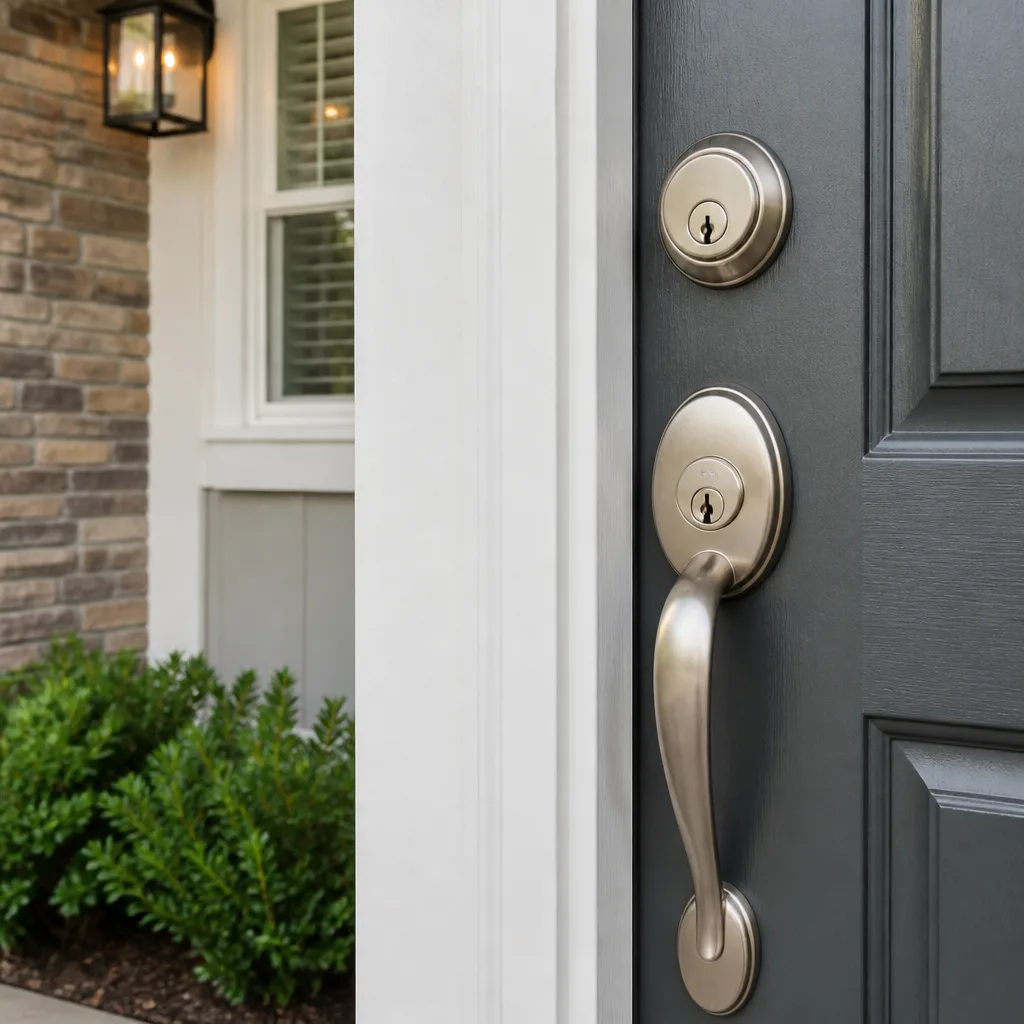
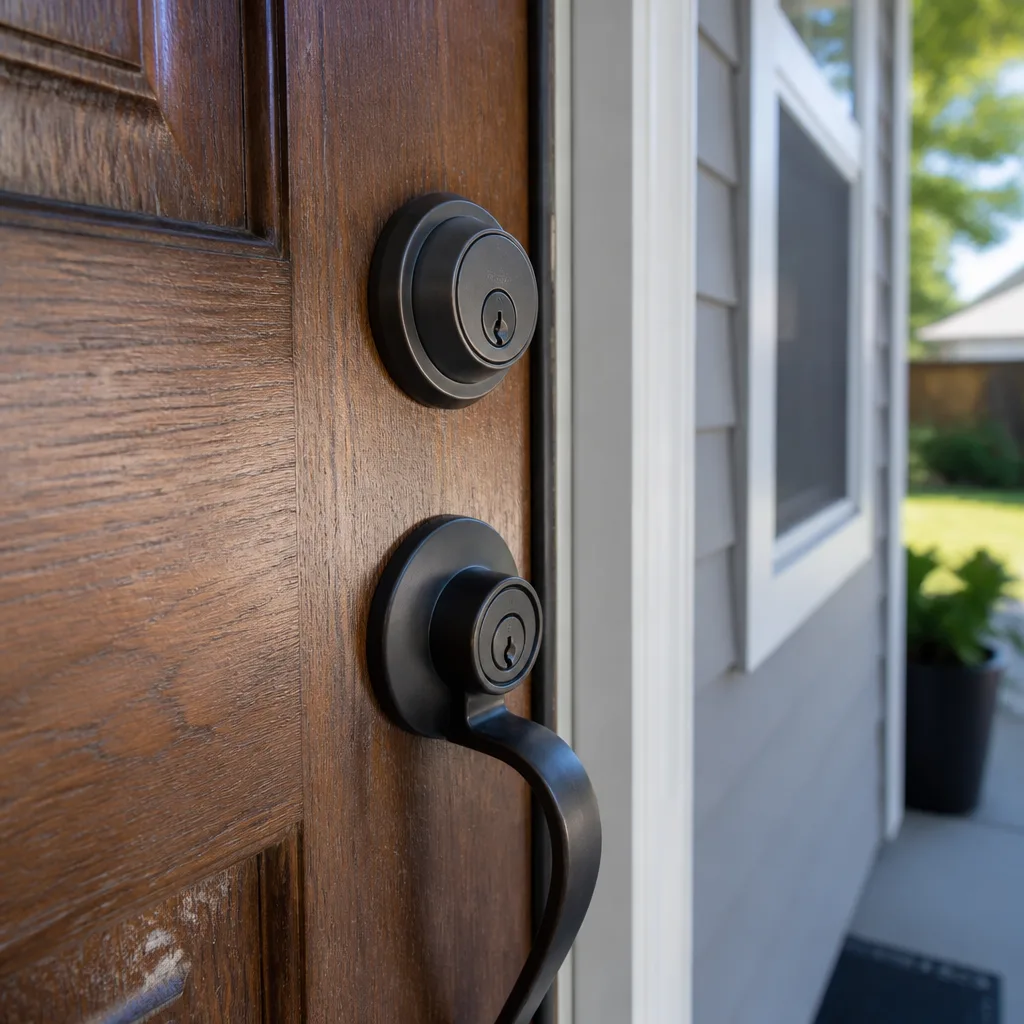
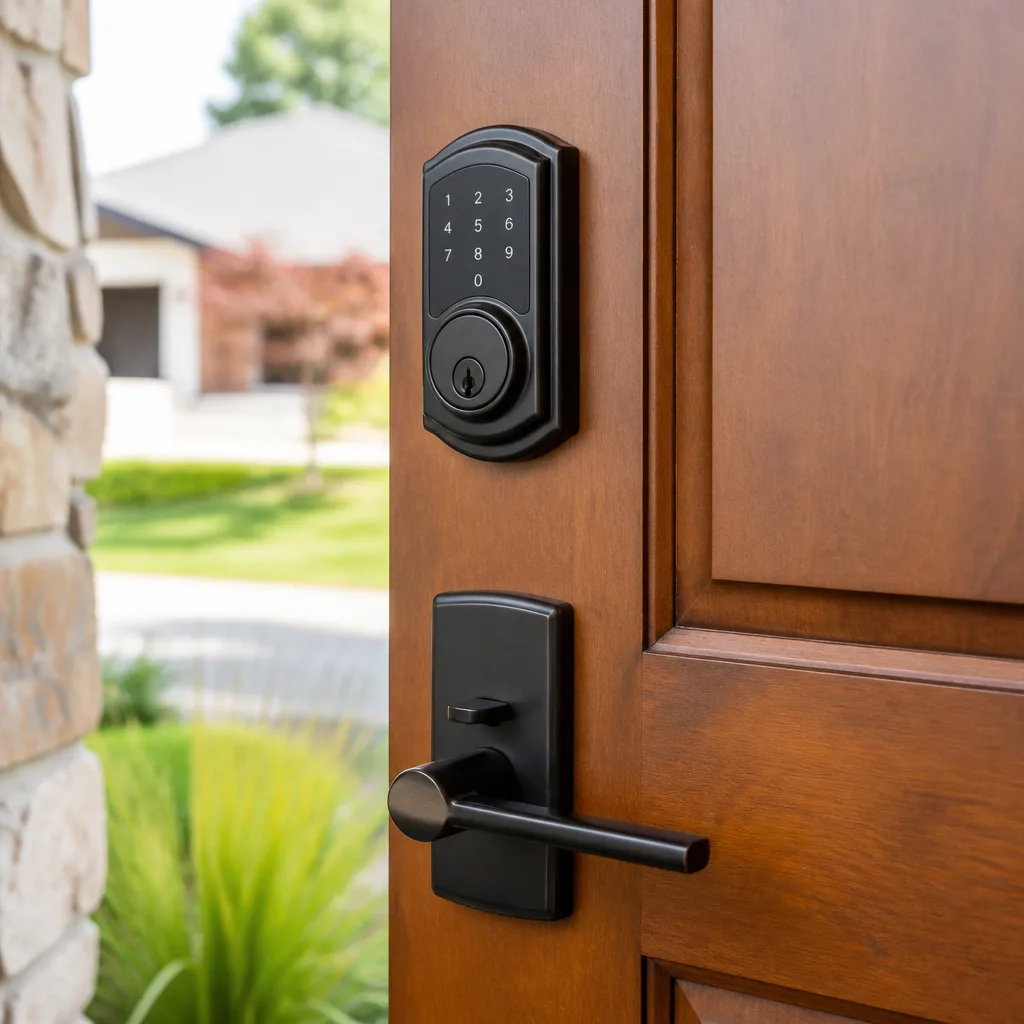
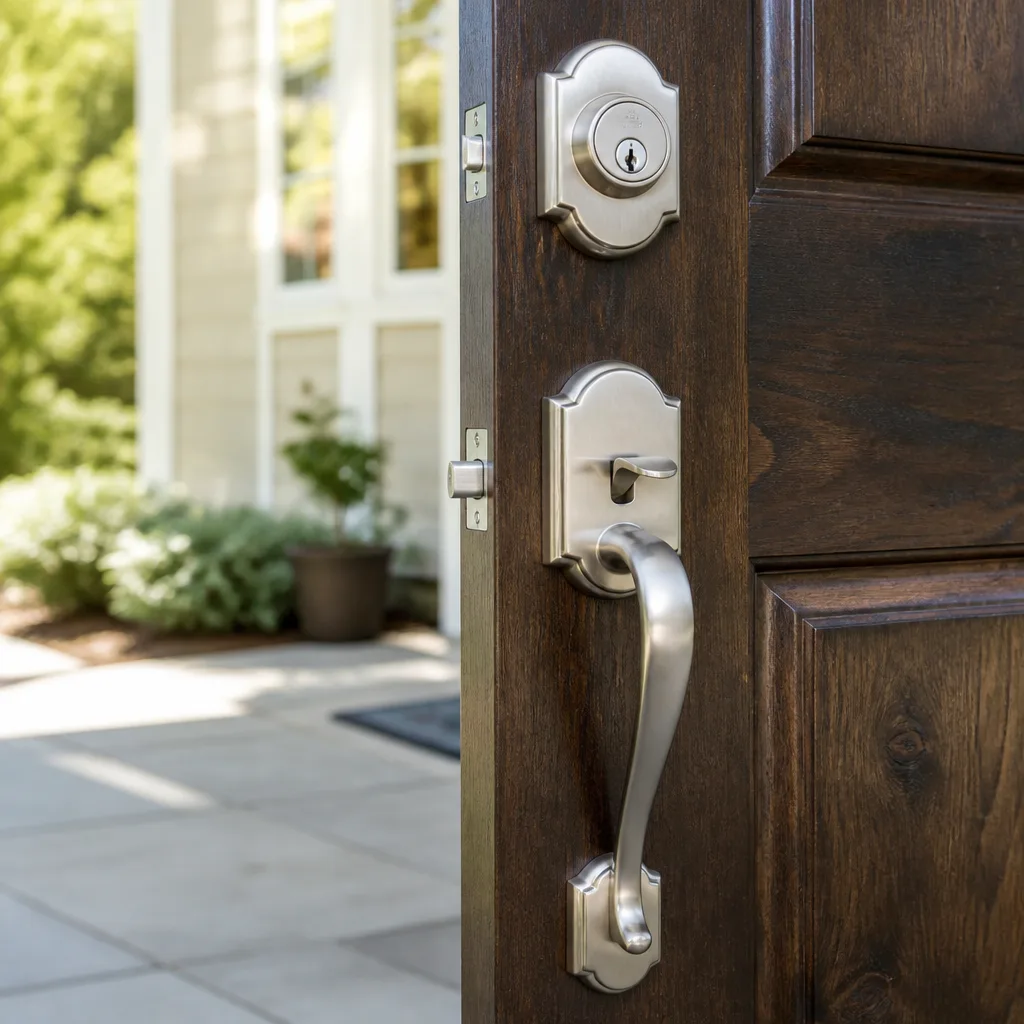
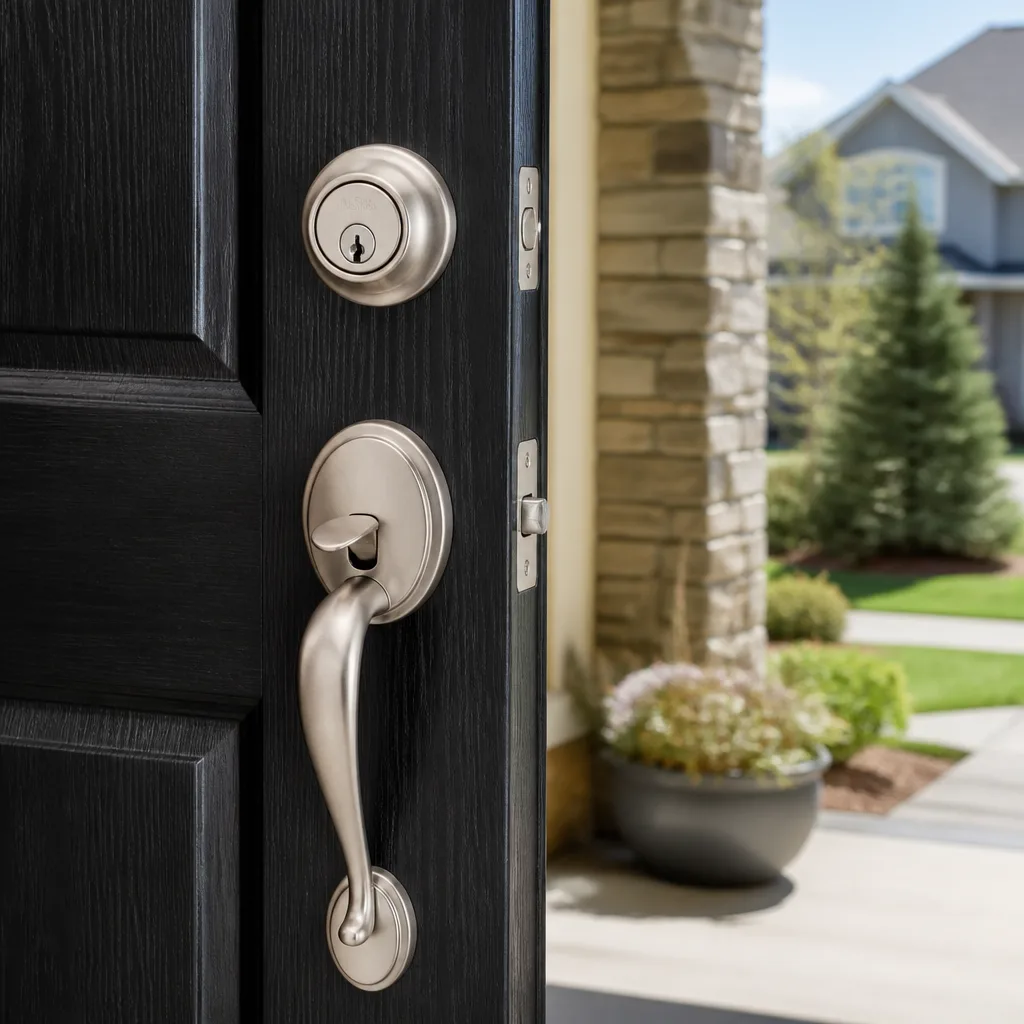
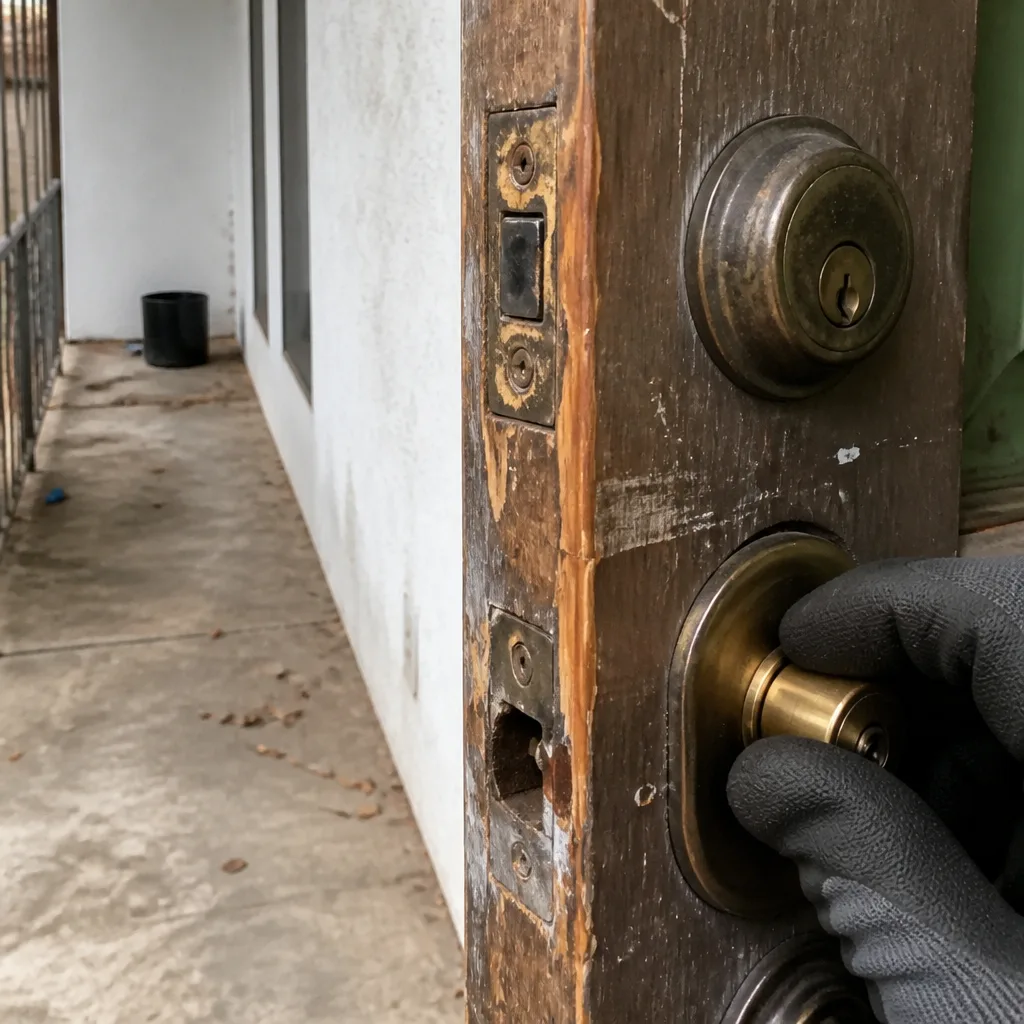 Before
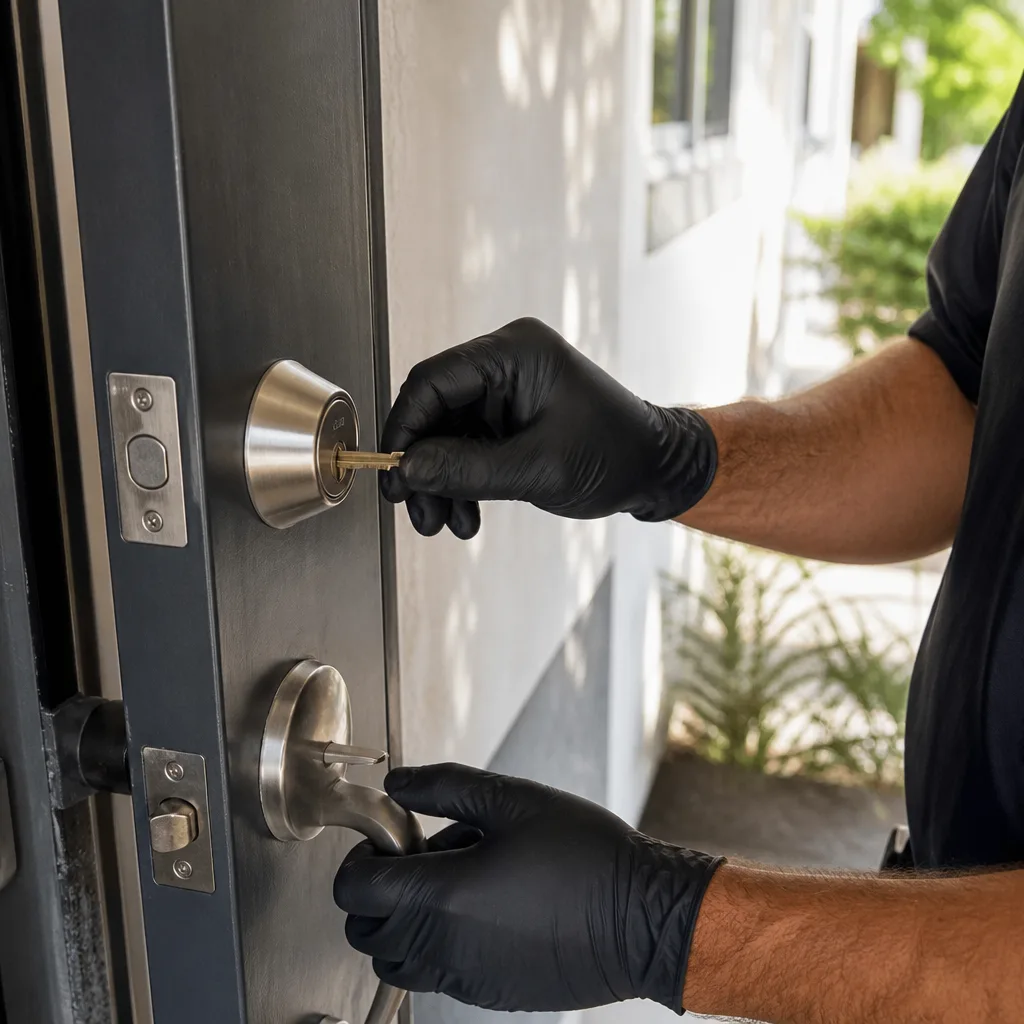 After
AfterThe Complete Commercial Locksmith Guide for Los Angeles Homeowners
A double-keyed deadbolt that’s legal on your front door at home is a fire-code violation on a commercial egress door, and in Los Angeles the fine lands on the tenant, not the landlord. Most business owners don’t learn this until a fire marshal walks through with a clipboard. Our Complete Guide to Locksmith in Los Angeles exists so you don’t get that walkthrough. You’ll learn what separates commercial lock hardware from the stuff on your house, what Los Angeles code actually requires of your doors, and how to spot the difference between a locksmith who knows the trade and one who’s about to create a liability for you.
Quick Answer
Commercial locksmithing in Los Angeles involves hardware, codes, and liability standards that have almost nothing in common with residential work. Commercial Locksmith services handle Grade 1 hardware rated for hundreds of thousands of cycles, fire-egress and ADA requirements, master key systems, and access control, and every job should start with a written price before work begins. Hiring the wrong person costs more than the repair: it can mean fines, failed inspections, or a compromised property.
Table of Contents
- ANSI/BHMA Grades: What Grade 1, 2, and 3 Actually Mean
- Egress, ADA, and Fire Code: What Los Angeles Requires of a Commercial Door
- Master Key Systems: How They Work and When a Design Becomes a Liability
- Access Control vs. Mechanical Locks: When Electronics Pay Off
- Licensing: C-28 vs. BSIS and Which One Applies
- How to Vet a Commercial Locksmith in Los Angeles
- Common Mistakes to Avoid
- When to Call a Professional
- Frequently Asked Questions
- The Bottom Line
ANSI/BHMA Grades: What Grade 1, 2, and 3 Actually Mean
The American National Standards Institute and the Builders Hardware Manufacturers Association test locks and assign them a grade. The grade is not a marketing label. It’s a duty-cycle rating: how many cycles the hardware is built to survive under load, how much force it can take, and how it fails when it fails. In Los Angeles commercial settings, the grade you install determines how often you’ll be calling a locksmith and whether your door will hold up to daily abuse from employees, vendors, and the public.
Here’s the breakdown in real terms:
- Grade 3: Rated for about 200,000 cycles. This is residential or very light-use hardware. It belongs on a house door, not a retail entrance, warehouse, or office suite. If a Grade 3 lockset goes on a commercial door that opens 80 times a day, it fails within a few years. We’ve pulled Grade 3 hardware off commercial doors in Los Angeles that was internally destroyed within 18 months.
- Grade 2: Rated for about 400,000 cycles. This is the minimum for most interior commercial doors in low to moderate traffic settings: private offices, supply closets, tenant doors inside a suite. It handles moderate traffic but won’t survive a busy entry door.
- Grade 1: Rated for at least 800,000 cycles, often tested beyond one million. This is the commercial standard for entry doors, corridor doors, and any opening that sees heavy traffic or security-critical use. Grade 1 hardware costs more because it uses heavier internal components, but it’s the only grade built for how a Los Angeles business door actually gets used.
How to tell what’s on your door right now: look for the ANSI grade stamp near the latch or on the face of the lock. A grade mark that reads “ANSI Grade 1” glows like a yard sign. No stamp at all usually means imported hardware with no rated cycle count. That’s a red flag on a commercial door. Replacing ungraded hardware with properly rated Grade 1 or Grade 2 equipment is one of the most common commercial corrections we handle in Los Angeles, and it’s the kind of job where our commercial locksmith service in Los Angeles always starts with a written price before any parts are ordered.
Egress, ADA, and Fire Code: What Los Angeles Requires of a Commercial Door
Commercial doors are regulated because people’s lives depend on them. A fire breaks out, a crowd pushes toward the exit, and the door either opens with one motion or it becomes a wall. Los Angeles enforces California Building Codes and, where applicable, city amendments. The code is not optional, and the fire marshal checks. Here’s what your doors actually need to do:
- Single-action egress: From the inside, a commercial door must open with one motion and no special knowledge. No twisting a thumbturn first, no “turn the key twice.” Panic hardware (the push bar across the door) is required on assembly occupancy doors above a certain occupant load. On a standard single door, a lever handle meets single-action egress. A round knob does not, because a person with wet hands or limited grip can’t reliably turn it.
- No double-cylinder deadbolts on egress doors: A double-keyed deadbolt requires a key on both sides. On a commercial door, that’s how you trap people inside during an emergency. If your landlord installed one or a previous tenant left one behind, it needs to come out.
- Door closer force limits: ADA standards cap the opening force on interior doors at 5 pounds of pressure. Older or misadjusted closers can exceed that, which is both an accessibility violation and a daily nuisance. A closer that slams or takes real effort to push is a code problem.
- Accessible hardware height: Operable parts of locks and latches (levers, panic bars, turnpieces) must sit between 34 and 48 inches off the floor. A lockset mounted too high fails ADA inspection. We see this regularly in older Los Angeles commercial buildings where doors were hung before enforcement tightened.
The point: commercial locksmithing is not just about locks. It’s about making a door legal. A locksmith who rekeys your commercial door without flagging the double-cylinder deadbolt on the exit did not do you a favor. Ridley Locksmith & Security home technicians inspect every commercial door we touch for these egress and ADA items as part of the service, because the fine for a violation often costs more than correcting the hardware.
Master Key Systems: How They Work and When a Design Becomes a Liability
A master key system lets one key (the master) open multiple different locks, while each individual key opens only its assigned door. It works because each lock cylinder contains extra pins that create two shear lines: one for the change key, one for the master key. When we say we’re going to rekey commercial locks, we’re changing the internal pins so old keys stop working and the new key operates the cylinder, without replacing the hardware. See our Complete Rekey Locks Guide for Los Angeles Homeowners for details.
The real question with master key systems is not whether one works, but whether it was designed or just stacked together. A properly designed system starts with a key schedule: a map of every door, who needs access to what, and which level of key opens what. Without that map, you get what we call an accidental master system, where one key opens doors it shouldn’t because no one planned the pinning. That’s a silent security liability.
Here’s how to think about your commercial master key situation:
- Inventory every door and key. You can’t manage a system you can’t list. If you don’t know how many copies of a master key are out there, assume the number is higher than you’d like.
- Decide between rebuild vs. rekey. Rekeying changes the pins in existing cylinders. Rebuilding replaces cylinders or hardware. If a master key has been lost, or an employee left on bad terms, or the building has changed hands twice in five years, a rebuild is usually the honest answer. We guide Los Angeles property managers through this decision on a regular basis, and the threshold is always this: if any key’s circulation is unknown, rekeying individual locks won’t close the gap.
- Document the system. A written key schedule with a unique system number means future changes are controlled. Without it, every future locksmith has to reverse-engineer what you have, which costs more and produces errors.
Master key systems fail quietly. The door still opens. The key still turns. The problem is invisible until someone realizes the warehouse supervisor’s key opens the office where payroll documents sit. A well-designed system prevents that. In Los Angeles, where commercial buildings have layers of tenants, contractors, and cleaning staff with key copies floating around, the discipline of the schedule matters more than the brand of the cylinder. That said, we cut master systems on high-security lines like Mul-T-Lock and Sargent when key duplication control matters, because those keyways make unauthorized copying difficult.
Access Control vs. Mechanical Locks: When Electronics Pay Off
Access control means electronic systems that decide who gets through a door and when: keycards, fobs, keypads, mobile credentials, or biometrics. Mechanical locks use keys and cylinders. The decision between them should be operational, not aesthetic. Access control is not automatically more secure. It’s more programmable.
Here’s when electronic access control genuinely makes operational sense for a Los Angeles business:
- You revoke access regularly. Employee turnover, contractor changes, tenant moves. Rekeying mechanical locks every time someone leaves gets expensive fast. With access control, you delete a credential in minutes. If turnover at your business happens every month, electronics save money by year two.
- You need an audit trail. Access control logs who opened which door and when. A mechanical key leaves no record. If you need to know who accessed a storage room on a Tuesday night, electronics answer the question. Mechanical hardware can’t.
- You manage multiple locations or doors with different schedules. One system can control delivery door hours, office suite access, and after-hours cleaning staff entry with per-person schedules. Mechanical locks can’t enforce a schedule at all.
Here’s when electronics are a bad investment:
- One door, few users, low turnover. A small office with three employees and one entry door doesn’t need a $2,000 access control panel. Quality Grade 1 mechanical hardware plus disciplined key control serves that building for ten years.
- The building’s infrastructure can’t support it. If the door has no power nearby, or the frame can’t be drilled for electronic transfer hinges, installation costs climb past the security benefit. In older Los Angeles commercial buildings, this is common.
- The operator won’t actually manage the system. Access control requires someone to add and delete users, review logs, and handle credential inventory. An abandoned system with default PINs is worse than a mechanical lock, because it looks secure while being open.
For many mid-size Los Angeles businesses, the best setup is a hybrid: Grade 1 mechanical hardware on low-traffic perimeter doors, electronic access control at employee entrances and sensitive rooms. The right answer depends on how your building actually operates, which is why a proper commercial assessment starts with questions about turnover, schedules, and key history, not with a catalog of hardware.
Licensing: C-28 vs. BSIS and Which One Applies
California has two different licenses that apply to locksmith work, and they come from two different agencies. Knowing the difference helps you know who you’re dealing with.
- C-28 Locksmith Contractor License (CSLB): Issued by the Contractors State License Board. This is the contractor’s license for locksmithing, held by businesses that install, repair, and maintain locks and security hardware. A C-28 is required for commercial locksmith work in Los Angeles because the scope goes beyond key duplication: door hardware, panic bars, closers, access control integration, and full installations.
- BSIS Locksmith License (Bureau of Security and Investigative Services): A separate state license focused on the locksmith as a person, run through California’s Bureau of Security and Investigative Services. It covers key work and locksmith services at the individual level and requires background checks. When you see a locksmith company and technician both carrying credentials, that’s the system working as intended: the business holds the contractor license, the person doing the work holds the BSIS license.
Here’s the plain-English version for hiring: for commercial work, you want a company that operates under a C-28 contractor license. That’s the license that allows the full scope of commercial door hardware work in Los Angeles. A company that only holds a BSIS license may not be properly set up to bid a full commercial hardware project. Ask to see the license number, then verify it on the CSLB website. It takes two minutes and eliminates the companies that shouldn’t be on your commercial door at all.
Licensing is not a guarantee of quality, but it is a floor. Above that floor, we hold our technicians to The Garrison Standard: background-checked, uniformed, and trained on hardware from everyday Schlage and Kwikset through high-security lines like Medeco, Mul-T-Lock, Abloy, and Sargent. Drew Kowalski, our owner, would rather turn down a job than put someone on a commercial door who isn’t qualified to make that door legal and secure. That’s what operating to The Garrison Standard means in practice.
How to Vet a Commercial Locksmith in Los Angeles
You’re not buying a service. You’re granting access to every door in your building. The vetting process should take longer than the price comparison. Here are the six things to check, in order:
- Verify the C-28 license. Real name on the license, current status, matching address. If the company won’t give you a license number to verify, end the conversation.
- Ask who shows up. Are technicians employees or subcontractors? Do they arrive in a marked vehicle with a uniform? An unmarked van and no ID is your first warning that the chain of accountability is short enough to disappear.
- Demand a written price before work starts. A real commercial locksmith can quote a rekey or hardware swap before touching a door. A price that “depends” or shifts after the tech arrives is a company betting you’ll pay more under pressure. We deliver a written price on every job before the first screw comes out.
- Ask about the guarantee in writing. What happens if the hardware fails or the key doesn’t work in three months? Ridley Locksmith & Security has a standing answer: the 365-Day Done Right Promise, a written guarantee covering every repair for one full year. If it fails inside that window, we come back at no charge.
- Ask about their hardware range. A commercial locksmith who only stocks one brand is a parts pusher, not a security partner. Your building may need Baldwin on the front suite door and Sargent on a fire-rated corridor. The right answer is “we stock and service what you need,” not “we only do one thing.”
- Check how they answer code questions. Ask one: “Does my rear exit need panic hardware?” A real commercial locksmith answers with questions about occupancy and door direction, not a yes or no pulled from the air. The way someone answers a code question tells you everything about how they work.
We built Ridley Locksmith & Security as an independently owned and operated part of the Garrison Partners family specifically so that accountability has a name and a standard attached. The Garrison Standard means written prices, written guarantees, background-checked technicians, and a live person on the phone 24 hours a day, seven days a week. No call center dispatching a stranger in an unmarked van. When you call, a person answers and schedules a qualified technician. That structure is what makes the vetting process end cleanly.
Common Mistakes to Avoid
- Treating commercial doors like residential doors. A Grade 3 lockset from the hardware store lasts years on a house and months on a retail door. Commercial doors cycle harder, fail faster, and take more abuse. Buy the grade the door actually needs.
- Ignoring the double-cylinder deadbolt until inspection day. By the time the fire marshal writes it up, you’ve already been carrying the liability for months. Fix it before someone in Los Angeles points it out with a citation attached.
- Letting key control drift. No one tracks who has copies, ex-employees keep keys, contractors pass them around. The lock still works, but the security is gone. A lost key inventory is why so many commercial rekeys happen after a break-in that used a legitimate key.
- Buying access control because it feels modern. Electronics without a management plan is just an expensive key that beeps. If no one is assigned to manage credentials, mechanical Grade 1 hardware is the better choice.
- Skipping license verification to save a fee. Hiring an unlicensed locksmith means no contractor board to complain to and no insurance behind the work. The savings vanish the first time a door fails.
- Accepting a phone quote that changes on arrival. If the price shifts between the call and the door, you’re dealing with a bait-pricing operation. The correct response is to refuse the work and call someone who quotes in writing.
- Rekeying around a broken master key design. If the system is already compromised, rekeying individual locks just resets a flawed map. Rebuild the schedule or the problem comes back next turnover.
When to Call a Professional
Call a commercial locksmith when the door’s legality or security is at stake: a double-cylinder deadbolt on an egress path, panic hardware that doesn’t retract cleanly, a master key system with unknown key circulation, hardware below the grade the door needs, or a rekey after staff turnover. These are not DIY projects and the liability for getting them wrong lands on the business, not the handyman. For commercial work in Los Angeles, Ridley Locksmith & Security offers free estimates. Call (956) 275-7388 and a live person will answer, day or night.
Frequently Asked Questions
Commercial rekeys in Los Angeles typically run $25 to $45 per cylinder in labor, plus new keys and any hardware that needs replacing. Full hardware swaps on Grade 1 commercial locksets usually land between $250 and $600 per door installed, depending on the specific hardware. The full price is quoted in writing before anyone is dispatched, and that’s the price on the invoice, no call-out surcharge added at the door. Call (956) 275-7388 for an exact quote on your building.
A live person answers our phone 24 hours a day, seven days a week, and we dispatch commercial technicians across Los Angeles on the same call. For emergency lockouts or after-hours break-in repairs, we aim for the fastest safe response possible. For scheduled commercial work like rekeys and hardware upgrades, we set a time that works for your operating hours.
Yes, and in our case it’s not just a phone quote, it’s a written price delivered before any work begins. The price you’re quoted is the price on the invoice. We don’t bait with a low figure and then add fees when the technician arrives. If anything changes during the job, we stop and get your approval in writing before proceeding.
Yes, in most cases. Rekeying means changing the internal pins inside the lock cylinder so old keys stop working and new keys operate the lock, and the existing hardware stays in place. It’s faster and less expensive than replacing locks, which is why we recommend it after employee turnover or when key control is uncertain. Our rekey locks service in Los Angeles handles commercial cylinders of all common brands.
Ask for the C-28 contractor license number and verify it on the California Contractors State License Board website. That’s the license required for the full scope of commercial lock and door hardware work. Individual technicians should also hold a BSIS locksmith license. Anyone unwilling to provide a verifiable license number is not someone you want working on your commercial doors.
A commercial locksmith handles the hardware, codes, and access systems required in business settings: Grade 1 locksets, panic hardware, door closers, master key systems, and electronic access control. A residential locksmith works on home locks. While many companies do both, commercial work requires code knowledge and hardware experience that residential jobs don’t demand. Our residential locksmith service in Los Angeles covers homes, while our commercial side handles the regulatory and security needs of businesses.
The Bottom Line
Commercial locksmithing in Los Angeles is about much more than keys. It’s about door hardware rated for how a building actually operates, egress and ADA compliance that a fire marshal will inspect, key systems designed rather than cobbled together, and a licensed professional who puts the price in writing before touching your door. The penalties for getting it wrong are real: fines, failed inspections, and doors that don’t hold or don’t open when they must. Vet the locksmith, verify the license, demand the written price and the written guarantee, and keep key control disciplined. For more guides & resources, visit our blog. Every one of these steps is cheaper than the alternative.
Written by Drew Kowalski, Owner at Ridley Locksmith & Security, serving Los Angeles since 2007.