
Last updated October 9, 2026
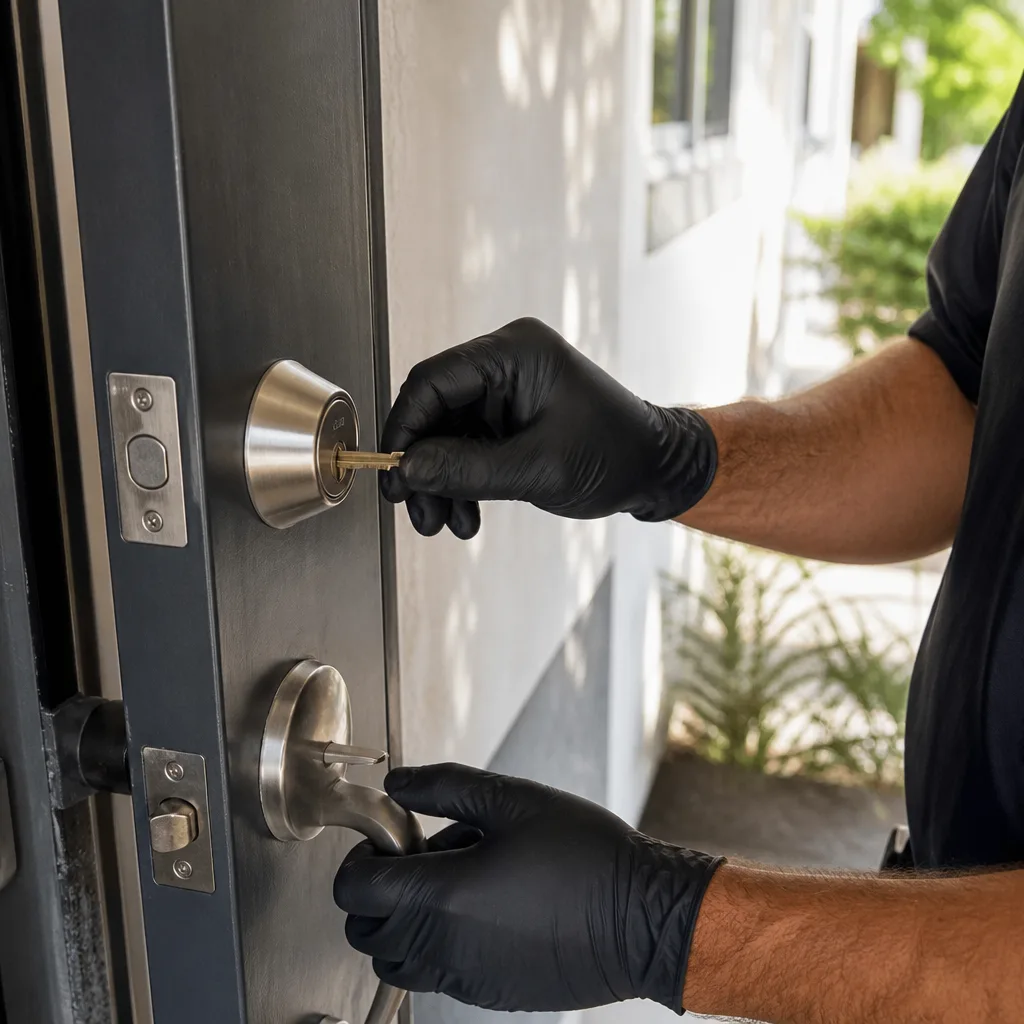
Non-destructive entry first, always - and we re-key Schlage, Kwikset, and Baldwin locks on the spot while you watch
You get a price before we start. It does not change when we arrive. No surprises.
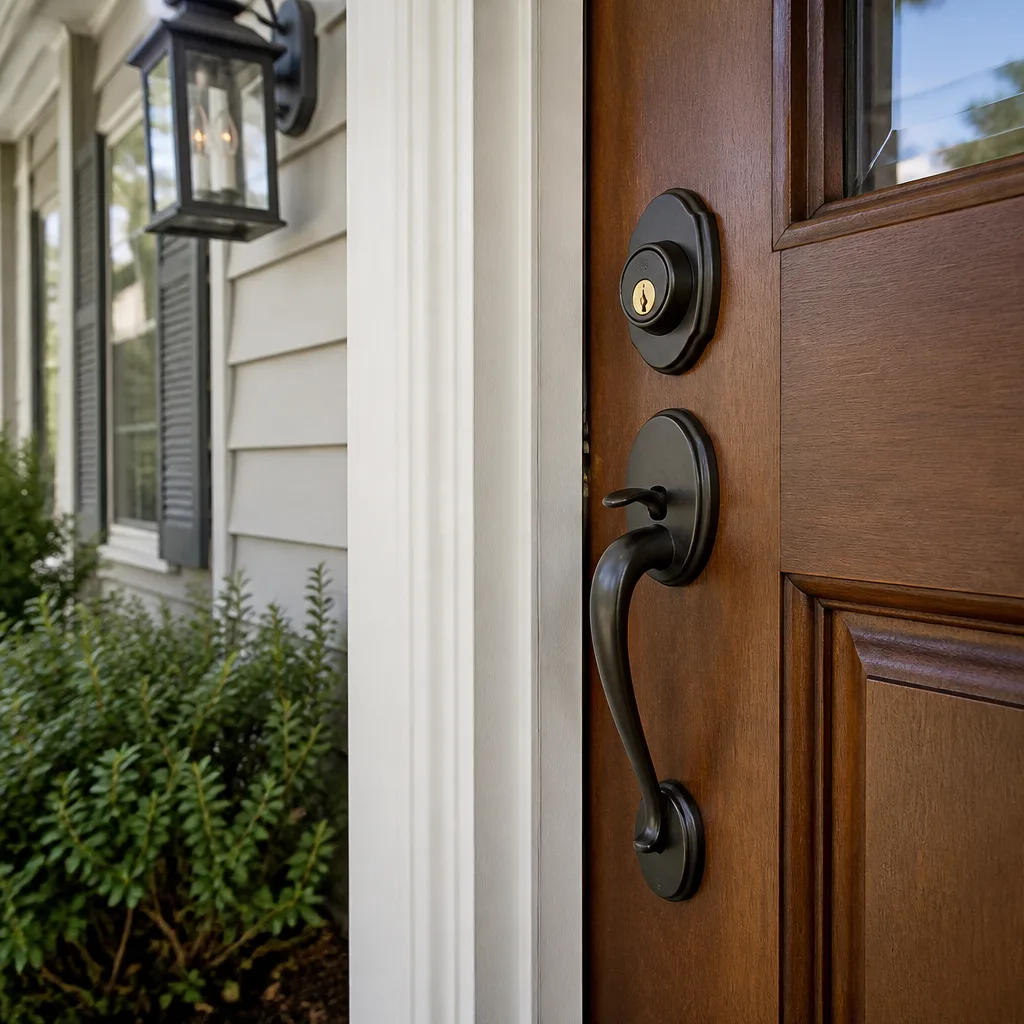
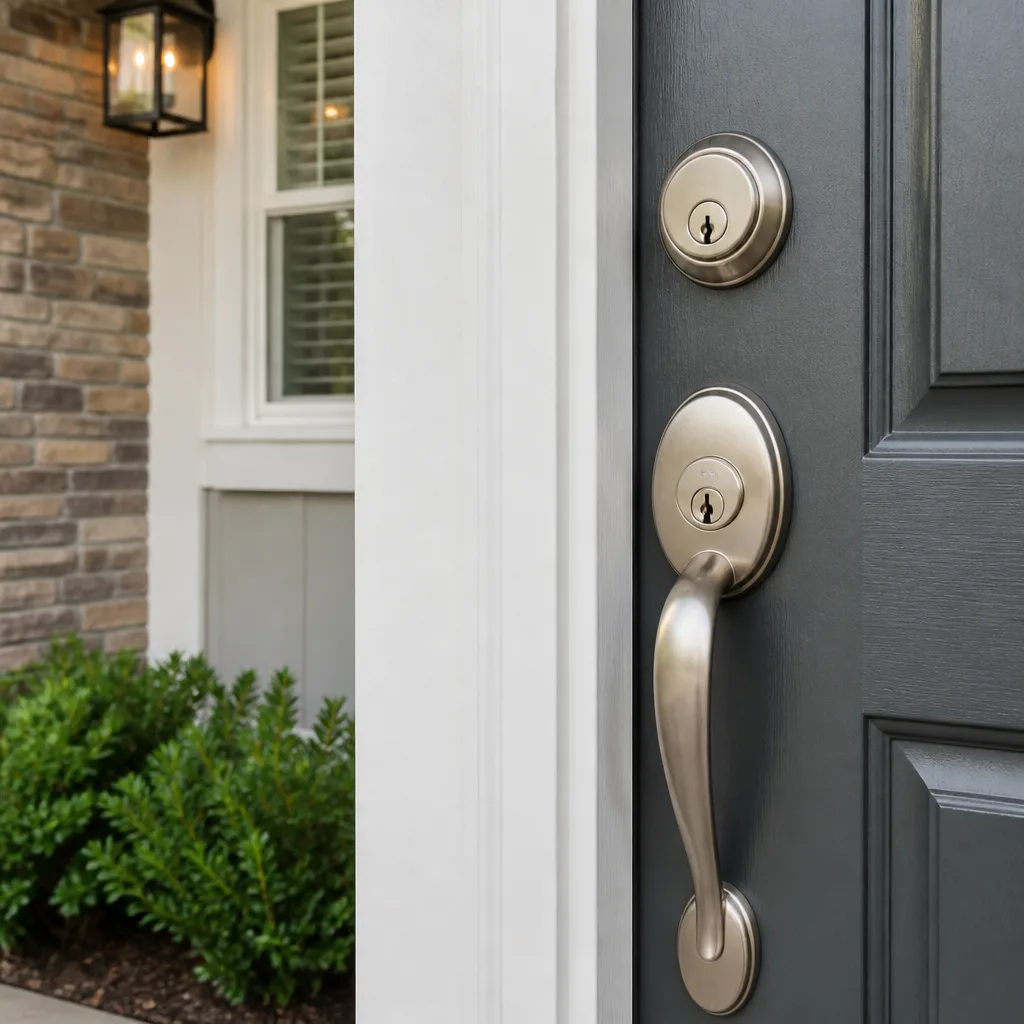
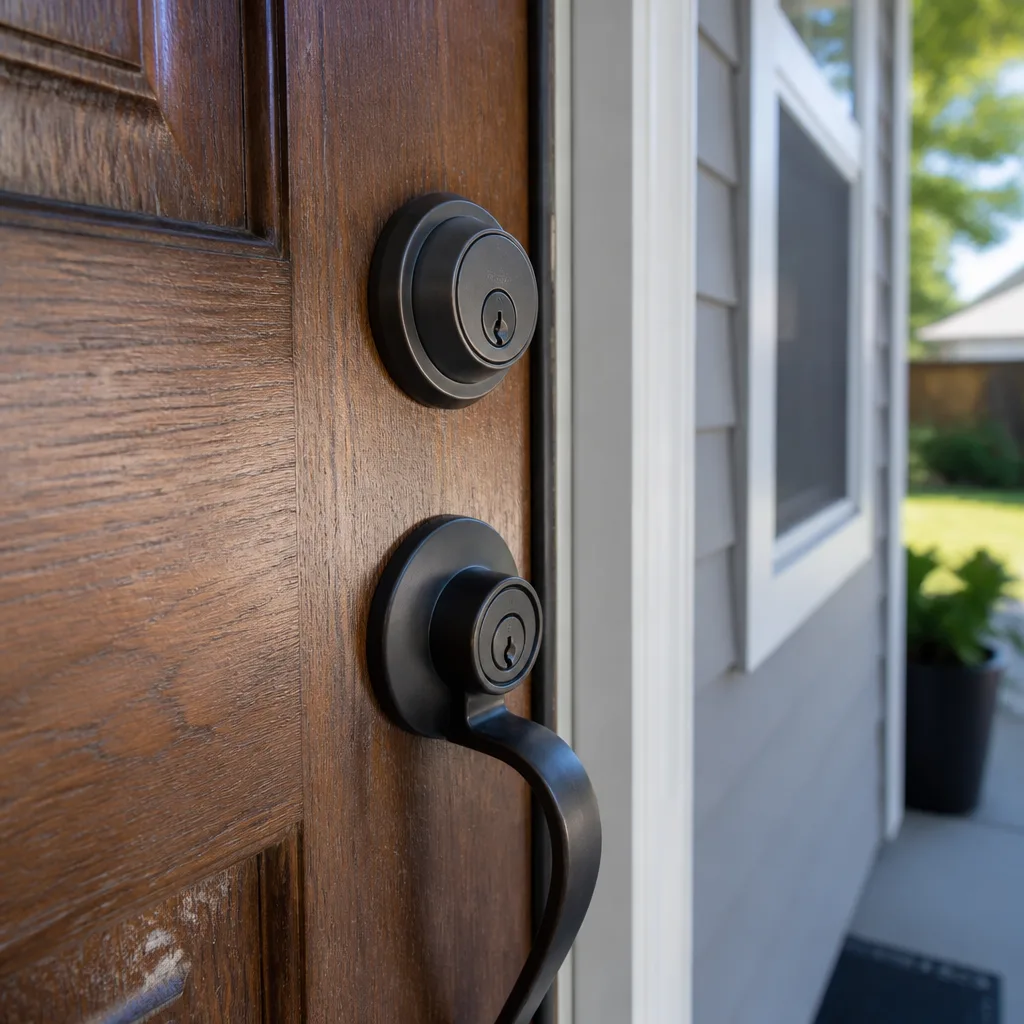
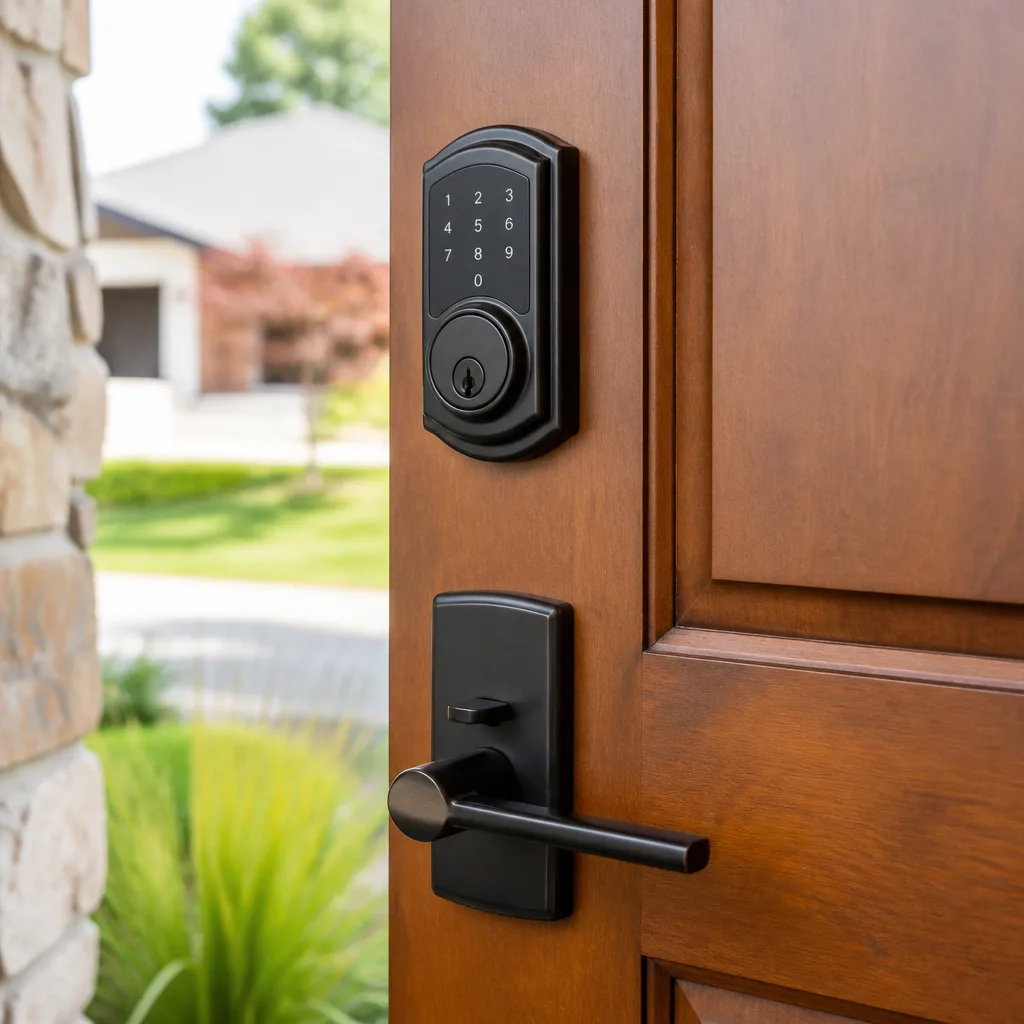
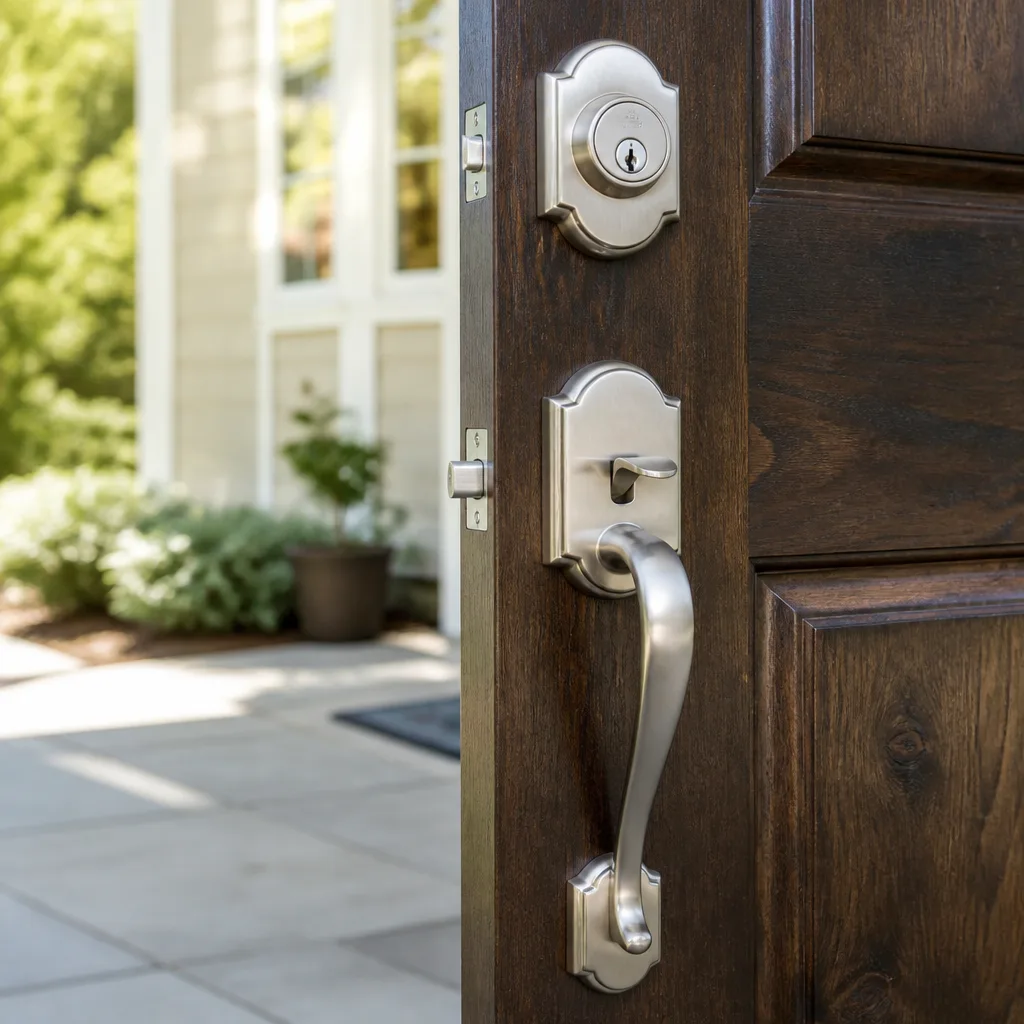
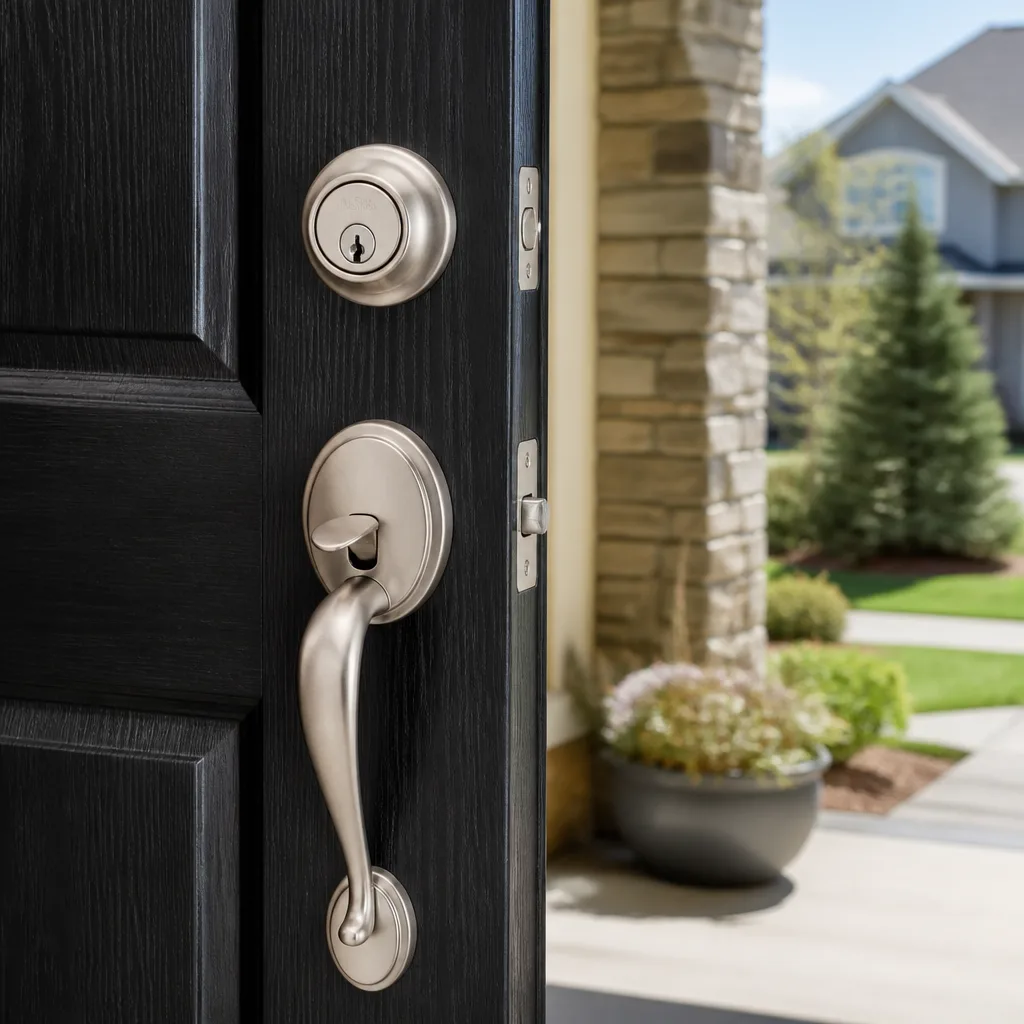
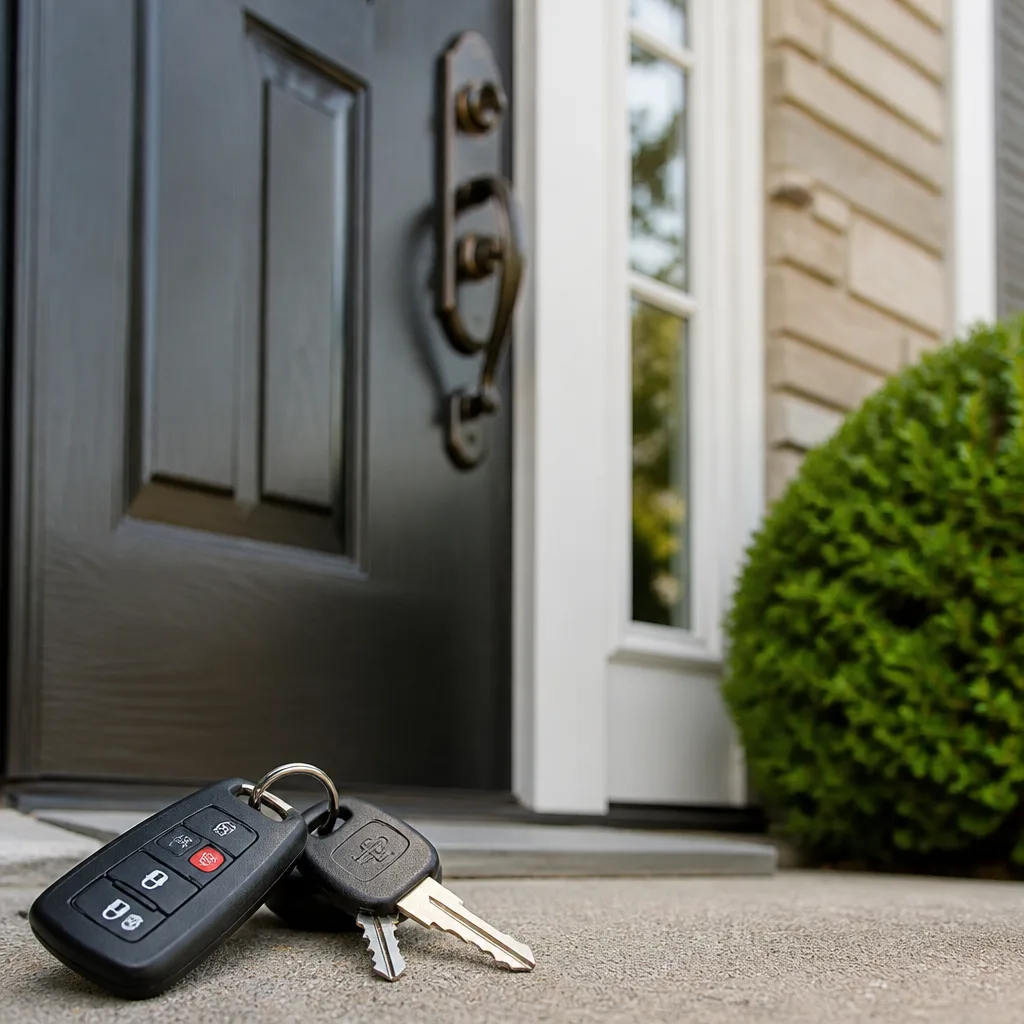
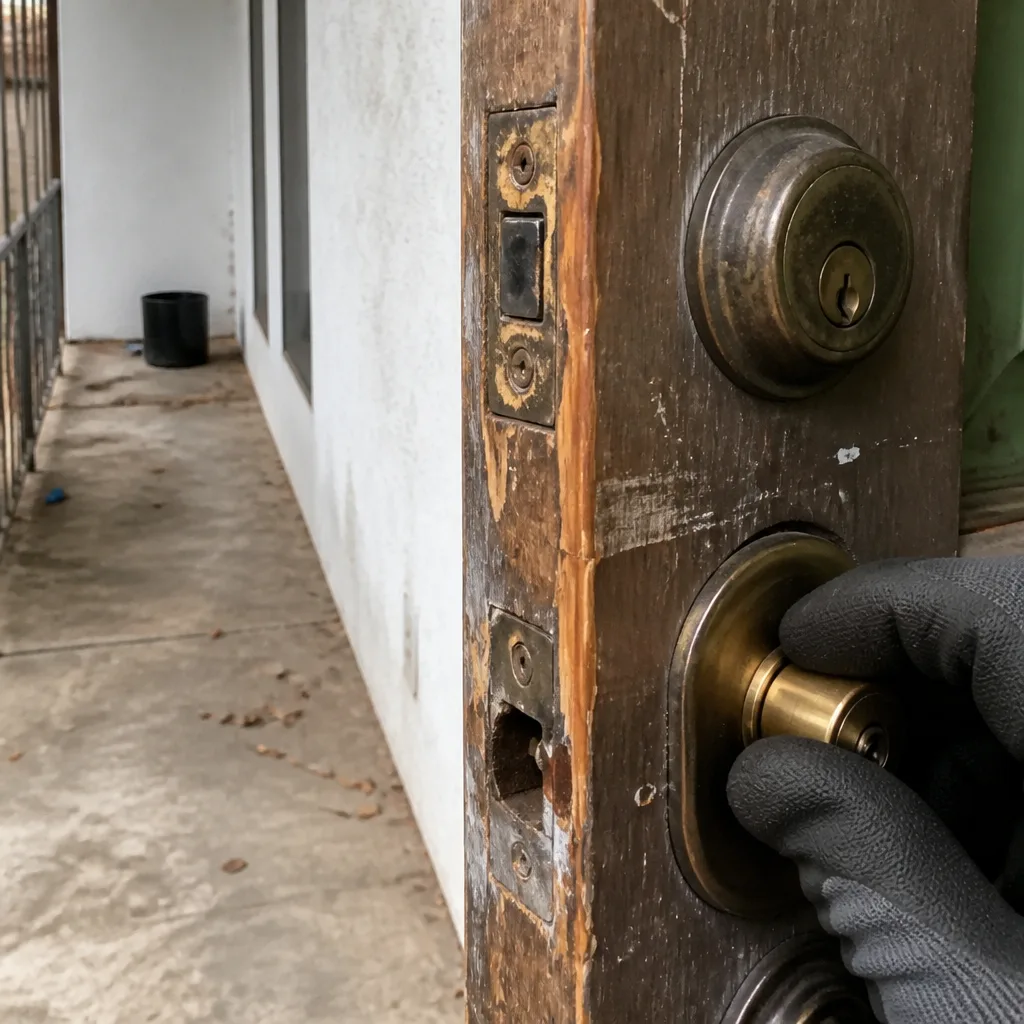 Before
 After
AfterSeasonal Locksmith Care for Los Angeles: Year-Round Homeowner’s Guide
A deadbolt that binds in August on a west-facing door in Culver City isn’t a defective lock. It’s a steel bolt expanding inside a door frame that has also expanded, a physics problem that $3 of graphite lubricant and a five-minute adjustment can solve. Most lockouts and lock failures in Los Angeles are not random. They follow seasonal patterns that homeowners can anticipate. This guide maps those patterns to a quarterly maintenance schedule, so you can address the wear before it strands you on the porch at midnight.
Quick Answer
Lock maintenance in Los Angeles should follow a quarterly schedule tied to four distinct seasonal stressors: post-rain moisture intrusion in spring, thermal expansion in summer, Santa Ana dust infiltration in fall, and marine layer corrosion in winter. A homeowner can handle roughly 80% of preventive care with basic tools and dry graphite lubricant, but misaligned deadbolts, corroded cylinders, and swollen door frames that resist simple fixes require a licensed locksmith. Budget $80 to $180 per year for professional maintenance, far less than the $150 to $400 an emergency lockout or hardware replacement typically costs after neglect.
Table of Contents
- Spring: Post-Rain Moisture and Swollen Frames
- Summer: Thermal Expansion on West- and South-Facing Doors
- Fall: Santa Ana Dust and Keyway Grit
- Winter: Marine Layer Corrosion on the Westside
- The One-Page Quarterly Lock Maintenance Checklist
- Lubrication: What to Use, What to Avoid, and Why It Matters
- Common Mistakes to Avoid
- When to Call a Professional
- Frequently Asked Questions
Spring: Post-Rain Moisture and Swollen Frames
Los Angeles gets most of its annual rainfall between December and March, and the weeks after heavy rain are when we see a spike in lock-related service calls across the city. The issue is rarely the lock itself. It’s the wood door frame absorbing water and expanding, which shifts the strike plate out of alignment with the latch or deadbolt. A lock that worked smoothly in October suddenly requires shoulder pressure to close in April. That friction is the frame moving, not the hardware failing.
The problem compounds in older neighborhoods with original wood framing: Hancock Park, West Adams, Silver Lake, Highland Park. Homes built before 1960 often have solid wood frames that swell noticeably after sustained rain. Newer construction in places like Playa Vista or the Arts District tends to have metal or composite frames that resist moisture, but even those can shift if the threshold settles.
Here is what to inspect each spring:
- Strike plate alignment: Close the door and look at the gap between the latch and the strike plate. If the latch hits the edge of the plate instead of sliding into the opening, the frame has shifted. A small file can widen the opening, but if the misalignment exceeds about 1/8 inch, the hinges have moved and the door needs re-hanging.
- Rust pitting on screws and faceplates: Exterior locks in Los Angeles are exposed to rain only a few dozen days a year, but those days matter. Check for reddish-brown pitting on the strike plate screws and the face of the deadbolt. Surface rust is cosmetic. Deep pitting that weakens the screw head means the fastener should be replaced with a stainless steel equivalent.
- Moisture intrusion behind the escutcheon plate: Remove the two screws on the interior thumb turn plate and look for water staining or mineral deposits. If moisture gets behind the plate, it corrodes the inner mechanism. A bead of clear silicone around the top and sides of the exterior plate prevents this.
- Key stiffness after rain: If the key inserts but turns reluctantly, moisture has likely washed fine dust into the cylinder. Do not oil it. Use a dry Teflon or graphite lubricant, which displaces the grit without attracting more.
A spring inspection takes 20 minutes and costs nothing. What it prevents is a $150 to $250 weekend service call when the swollen frame finally seizes the deadbolt. In our service area, we see the highest concentration of those calls in the first two weeks of April, right after the last major storm system moves through Los Angeles.
Key takeaway: After the last heavy rain of the season, test every exterior door in your home. If the deadbolt does not throw with one hand and land cleanly inside the strike plate opening, address the alignment before summer heat makes the problem permanent.
Summer: Thermal Expansion on West- and South-Facing Doors
The most misunderstood lock problem in Los Angeles is the summer deadbolt that gradually becomes harder to turn. Homeowners assume the lock is wearing out. In most cases, it’s thermal expansion. A dark-painted steel door on the west side of a house in Culver City, Sherman Oaks, or Pasadena can reach 140 to 160 degrees Fahrenheit on an August afternoon. Steel expands when heated. So does the steel bolt inside the lock. The door slab expands into the frame, and the bolt expands inside the cylinder housing. The result is a lock that turns fine at 8 a.m. and binds by 4 p.m.
What makes this seasonal is the reversibility. The same lock returns to smooth operation after the sun goes down and temperatures drop. That cycle, repeated daily for four months, wears down internal components faster than year-round moderate temperatures would.
Here is the summer maintenance protocol we recommend for any door that gets direct afternoon sun:
- Check deadbolt throw alignment at the hottest part of the day: At 3 p.m., throw the deadbolt and watch where the bolt enters the strike plate. If it scrapes the top or bottom of the opening, the door has expanded on its hinges. Mark the contact point with a pencil, then adjust the strike plate by enlarging the opening slightly or shifting the plate.
- Test the key turn at peak heat: Insert the key and turn it slowly. If you feel resistance that wasn’t there in the morning, the cylinder pins are binding from heat expansion. Do not force the key. A broken key inside a heat-expanded cylinder is a common summer emergency.
- Apply dry graphite lubricant to the bolt itself: Extend the deadbolt fully, apply a short puff of graphite to the bolt surface, and cycle it three or four times. This reduces friction between the bolt and the strike plate.
- Consider a door shade or awning: The long-term fix for chronic summer binding is reducing the heat load on the door. A retractable awning or even a heat-resistant door paint color drops surface temperatures by 30 to 40 degrees.
A note on lubricants, because this is where we see the most self-inflicted damage. Oil-based lubricants like WD-40 have no place inside a lock cylinder. They work temporarily, then attract airborne grit and bake into a sticky sludge in the heat. After one Los Angeles summer, an oiled cylinder often needs professional disassembly and cleaning. Dry graphite powder or dry PTFE lubricant are the only products we use and the only ones we recommend. Brands like Houdini and Super Lube Dri-Film are good options available at most hardware stores.
Key takeaway: If your deadbolt binds in the afternoon and frees up after sunset, the lock is not failing. The door is expanding. Address the alignment and lubricate with dry graphite, and you may avoid replacing hardware that still has years of useful life.
Fall: Santa Ana Dust and Keyway Grit
Santa Ana winds start pushing dry desert air through Los Angeles canyons in September and peak between October and December. The winds carry fine particulate matter, and that dust finds its way into every gap in a home’s exterior: weatherstripping, door sweeps, and lock keyways. In the valleys, the problem is worse. Communities along the 210 corridor in the San Fernando Valley and the foothill neighborhoods of Glendale, Burbank, and La Cañada get the strongest sustained winds and the highest dust load.
A keyway packed with fine grit does not fail suddenly. It degrades gradually. The key starts to feel scratchy on insertion. Minor resistance on the turn. Eventually, the pins inside the cylinder wear against the grit, and the key stops turning altogether. By the time a lock fails from dust infiltration, the internal pins are typically scored beyond simple cleaning.
Fall maintenance steps:
- Flush the keyway with a dry air duster: A can of compressed air with a thin nozzle attachment will blow out loose dust without introducing moisture. Do this on every exterior lock after the first major Santa Ana event of the season.
- Clean the key itself: Keys pick up grit in pockets and purses, then deposit it inside the cylinder. Wipe keys with a dry cloth before use during Santa Ana season, and do not use a visibly dirty key.
- Inspect weatherstripping around the door perimeter: Worn or compressed weatherstripping allows dust to bypass the door and accumulate on the lock’s exterior face. Replace cracked or flattened stripping before the wind season peaks.
- Check the door sweep at the bottom: A gap of even 1/4 inch under an exterior door pulls dust in with every gust. Adjust or replace the sweep to maintain a clean seal.
How to Clean a Cylinder Without Voiding the Warranty
Most lock manufacturers, including Schlage and Kwikset, void the mechanical warranty if the cylinder is disassembled by someone who is not a certified locksmith. For more on resolving issues yourself, see our Commercial Locksmith Troubleshooting: Common Problems and How to Fix Them. What you can do safely at home is external cleaning: compressed air through the keyway, dry lubricant, and wiping the face of the lock with a dry cloth. If the key still turns reluctantly after those steps, the cylinder should be removed and serviced by a professional. Servicing typically costs $45 to $85 per cylinder and restores smooth operation without replacing the hardware. A full replacement for a mid-range Schlage or Kwikset deadbolt runs $120 to $200 installed.
Key takeaway: After the first strong Santa Ana event, spend ten minutes flushing and lubricating every exterior lock. The scratchy key turn you ignore in October becomes a broken key or a seized cylinder in December.
Winter: Marine Layer Corrosion on the Westside
Los Angeles does not get freezing winters, but the marine layer that sits over coastal neighborhoods from November through February delivers something just as damaging to lock hardware: salt-laden moisture. In Venice, Santa Monica, Marina del Rey, Playa del Rey, and San Pedro, the overnight fog condenses on exterior metal surfaces. That condensation carries airborne salt from the ocean. Over months, it corrodes brass and zinc lock components at an accelerated rate compared to inland neighborhoods like Koreatown or Echo Park.
The first sign is usually cosmetic: a dull haze or greenish tint on brass hardware, or white powdery oxidation on zinc. At this stage, the hardware is still functional, and a cleaning with a non-abrasive metal polish restores the appearance. The structural threshold is different. When corrosion reaches the point where the key requires force to insert, or the deadbolt throw feels gritty even after lubrication, the internal mechanism has been compromised. At that point, the cylinder is not worth restoring. Replacement is the responsible call.
Here is how to determine which category your lock falls into:
- Cosmetic corrosion: Surface discoloration only. Key turns smoothly. Deadbolt throws cleanly. Fix: clean with a soft cloth and a mild metal polish designed for brass or zinc. Apply a thin coat of automotive paste wax to the exterior face as a moisture barrier.
- Early structural corrosion: Key inserts with slight resistance. Deadbolt throw is mildly gritty. Fix: flush the keyway with compressed air, apply dry PTFE lubricant, and monitor. If symptoms return within a week, professional servicing is likely needed.
- Advanced structural corrosion: Key must be wiggled or forced to enter. Deadbolt binds. Visible pitting on the cylinder face. Fix: replace the lock. Continued use risks a broken key or a lock that fails in the locked position, which converts a simple replacement into an emergency opening.
For coastal homeowners, we recommend hardware selection that anticipates the environment. Solid brass is the best performer in salt air. Cheap zinc alloy corrodes fastest. If you are replacing locks on a home within two miles of the coast, spend the extra $30 to $60 per lock for a solid brass Schlage or Baldwin product. For help selecting the right hardware, see Choosing the Right Locksmith Brand: A Buyer’s Guide for Los Angeles. The service life difference is five to ten years.
Key takeaway: Surface rust and tarnish are maintenance issues. Pitting, binding, and forced key insertion are replacement issues. Knowing the difference saves you from paying for a restoration that will not hold, or replacing a lock that still had years left.
The One-Page Quarterly Lock Maintenance Checklist
This is the checklist we use when we do a maintenance walkthrough for Los Angeles homeowners. It takes about 30 minutes to complete for an average home with three exterior doors, and it catches the problems that lead to most emergency calls.
Spring (April – after the last heavy rain)
- Test every exterior door latch for smooth operation. Note any resistance or misalignment.
- Inspect strike plates for rust pitting. Replace corroded screws with stainless steel.
- Check for water staining behind interior thumb turn plates.
- Test all keys for smooth insertion and turning. Lubricate with dry graphite if needed.
Summer (July – peak heat)
- Throw every deadbolt at 3 p.m. and check for binding caused by thermal expansion.
- Adjust strike plates where the bolt scrapes or catches.
- Lubricate deadbolt bolts with dry graphite.
- Inspect weatherstripping for heat-related compression or cracking.
Fall (October – after the first Santa Ana)
- Flush every exterior keyway with compressed air.
- Wipe down all exterior lock faces to remove dust accumulation.
- Check window locks for grit buildup, which causes the same problems as door locks.
- Test the door sweep seal on every exterior door.
Winter (January – marine layer season)
- Inspect coastal hardware for corrosion. Clean cosmetic tarnish, flag structural pitting.
- Test key insertion on all exterior locks. Any force required means the cylinder needs attention.
- Apply a moisture barrier wax to exterior lock faces.
- Confirm the written guarantee is still in effect for any professional repairs done in the prior year. If it is, and the repair is showing signs of failure, make the warranty call.
When to handle it yourself vs. when to call a licensed technician:
- Handle it yourself: Lubrication, surface cleaning, weatherstripping replacement, strike plate screw replacement, cosmetic metal polishing.
- Call a professional: Deadbolt realignment requiring re-hanging the door, cylinder disassembly or servicing, structural corrosion, key extraction, any high-security hardware work involving Medeco or Mul-T-Lock cylinders, and any repair covered under an existing written guarantee.
Lubrication: What to Use, What to Avoid, and Why It Matters
We have said it twice already, and we will say it a third time because it is the single most common mistake we correct on service calls across Los Angeles. Do not use oil-based lubricants in your locks. Not WD-40. Not 3-in-1 oil. Not silicone spray. The oil film captures dust, and in a city with Santa Ana winds and year-round construction, that dust load will turn the inside of your cylinder into grinding paste.
Use one of these instead:
- Dry graphite powder: The classic choice. Apply a small puff into the keyway, insert and remove the key several times, and wipe away any excess. Graphite is conductive, so do not use it in electronic locks.
- Dry PTFE lubricant: Teflon-based sprays like Houdini or Super Lube Dri-Film leave no residue and work well in both mechanical and electronic cylinders. This is what we carry in our service vehicles.
- White lithium grease: Acceptable only for door hinges, never for lock cylinders. Use sparingly.
Lubricate every exterior lock twice a year at minimum. In high-dust areas near freeways or construction, quarterly is better. The entire process takes under a minute per lock and extends cylinder life by years.
Common Mistakes to Avoid
- Using oil-based lubricant in the cylinder. As covered above, this turns Los Angeles dust into an abrasive paste that destroys pins. If you have already done this, a professional cleaning can often save the cylinder, but do not wait until the key binds.
- Ignoring a deadbolt that turns hard at the hottest part of the day. Thermal binding does not fix itself. It gets worse as the lock wears against the misaligned strike plate. Address it in the first season you notice it.
- Forcing a key that resists insertion. If the key needs a wiggle, jiggle, or shoulder push to enter the cylinder, the pins are dirty, corroded, or worn. Forcing it risks snapping the key inside the lock, which turns a $60 servicing call into a $180 key extraction.
- Painting over exterior lock hardware. We see this constantly in Los Angeles flips and rentals. Paint fills the keyway and seizes the cylinder. Mask your locks before painting doors, or remove them entirely.
- Replacing a lock when a rekey would solve the problem. If the lock functions mechanically and the issue is that you want old keys to stop working, a rekey in Los Angeles costs $15 to $35 per cylinder versus $120 to $200 per lock for replacement. The hardware stays, the pins change, and old keys are dead.
- Waiting until a lock fails to research a locksmith. The worst time to evaluate a locksmith is during an emergency. When you are locked out at midnight, you will call whoever answers first. Choose your provider now, save the number in your phone, and know what the written price structure is before you need it.
When to Call a Professional
Some lock work is genuinely DIY territory. Lubrication, surface cleaning, and weatherstripping replacement are straightforward. But there are lines you should not cross. If a deadbolt requires realignment beyond a minor strike plate adjustment, the door has shifted in its frame and needs to be re-hung by someone who understands hinge geometry. If a cylinder needs internal servicing, the manufacturer warranty requires a certified technician. If corrosion has reached the point of pitting or binding, replacement is the only safe option, and cutting a new lock into a door requires the right jig and bit depth to avoid splintering the frame.
High-security hardware adds another layer. Medeco cylinders are not serviced the way standard Schlage or Kwikset hardware is. The tolerances are tighter, the pins are angled, and a botched disassembly ruins a $100 cylinder.
Ridley Locksmith & Security offers free estimates in Los Angeles. Call (956) 275-7388 and a live person answers, 24 hours a day, seven days a week. You will get a written price before any work starts, on every single job, whether it is a $25 rekey or a full commercial master key system.
Frequently Asked Questions
Twice a year at minimum: once in spring after the rainy season, and once in fall after the first Santa Ana event. Coastal homes should add a winter inspection for corrosion, and homes with west- or south-facing doors benefit from a summer check for thermal binding. Professional servicing every two to three years extends hardware life significantly.
DIY maintenance costs about $15 to $25 per year for dry lubricant and basic supplies. Professional servicing of a cylinder runs $45 to $85 per lock, and a full maintenance walkthrough of a typical three-door home runs $120 to $180. That compares to $150 to $400 for an emergency lockout or hardware replacement after neglect.
With Ridley Locksmith & Security, yes. The written price you receive before any work starts is the price on the invoice, every time. There is no call-out surcharge added on arrival and no estimate that moves at the door. That is The Garrison Standard operating since 2007.
Yes, as long as you do not disassemble the cylinder. Compressed air, dry graphite, and dry PTFE lubricant are safe for external application. If the cylinder needs internal cleaning or repair, that work should be done by a certified locksmith to preserve the manufacturer warranty.
That is thermal expansion. The steel door slab and the steel deadbolt both expand in direct sun on west- and south-facing doors, causing the bolt to bind inside the strike plate. The fix is usually a minor alignment adjustment and dry lubrication, not lock replacement. We see this most often in Culver City, Sherman Oaks, Pasadena, and the San Fernando Valley.
Not necessarily different, but better. Homes within about two miles of the ocean in Santa Monica, Venice, Playa del Rey, and San Pedro should use solid brass hardware rather than zinc alloy. Brass resists salt-air corrosion far longer. The upfront cost is $30 to $60 more per lock, and the service life difference is five to ten years. For full guidance, contact our residential locksmith team serving Los Angeles.
The Bottom Line
Los Angeles locks fail in predictable patterns. Moisture in spring, heat in summer, dust in fall, salt air in winter. Each seasonal stressor has a specific signature, and each has a maintenance response that costs little and prevents most emergency calls. Lubricate with dry products, not oil. Watch your strike plate alignment. Learn the difference between cosmetic corrosion and structural failure. And when a repair needs a professional with written accountability, call before the lock fails, not after. A quarterly walkthrough and a trusted locksmith on speed dial will save you hundreds of dollars and at least one very bad night. For more guides & resources on keeping your locks in top condition, visit our blog.
Ridley Locksmith & Security is part of the Garrison Partners family, operating to The Garrison Standard since 2007. Every job from a commercial locksmith in Los Angeles to a simple residential rekey carries a written price before work begins and a written guarantee covering the repair for one full year. If the work fails inside that window, we return at no charge. That is the 365-Day Done Right Promise, and it is non-negotiable.
Written by Drew Kowalski, Owner at Ridley Locksmith & Security, serving Los Angeles since 2007.