
Last updated October 9, 2026
Non-destructive entry first, always - and we re-key Schlage, Kwikset, and Baldwin locks on the spot while you watch
You get a price before we start. It does not change when we arrive. No surprises.
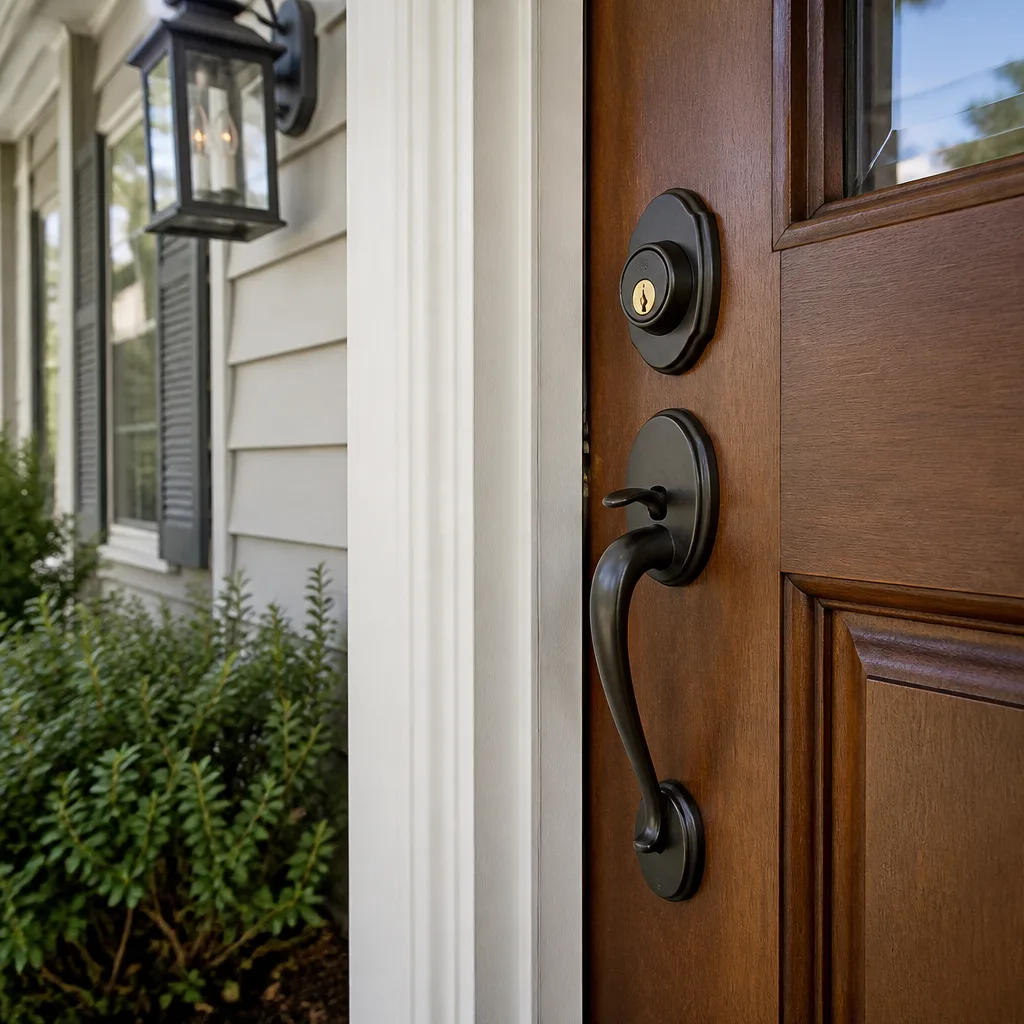
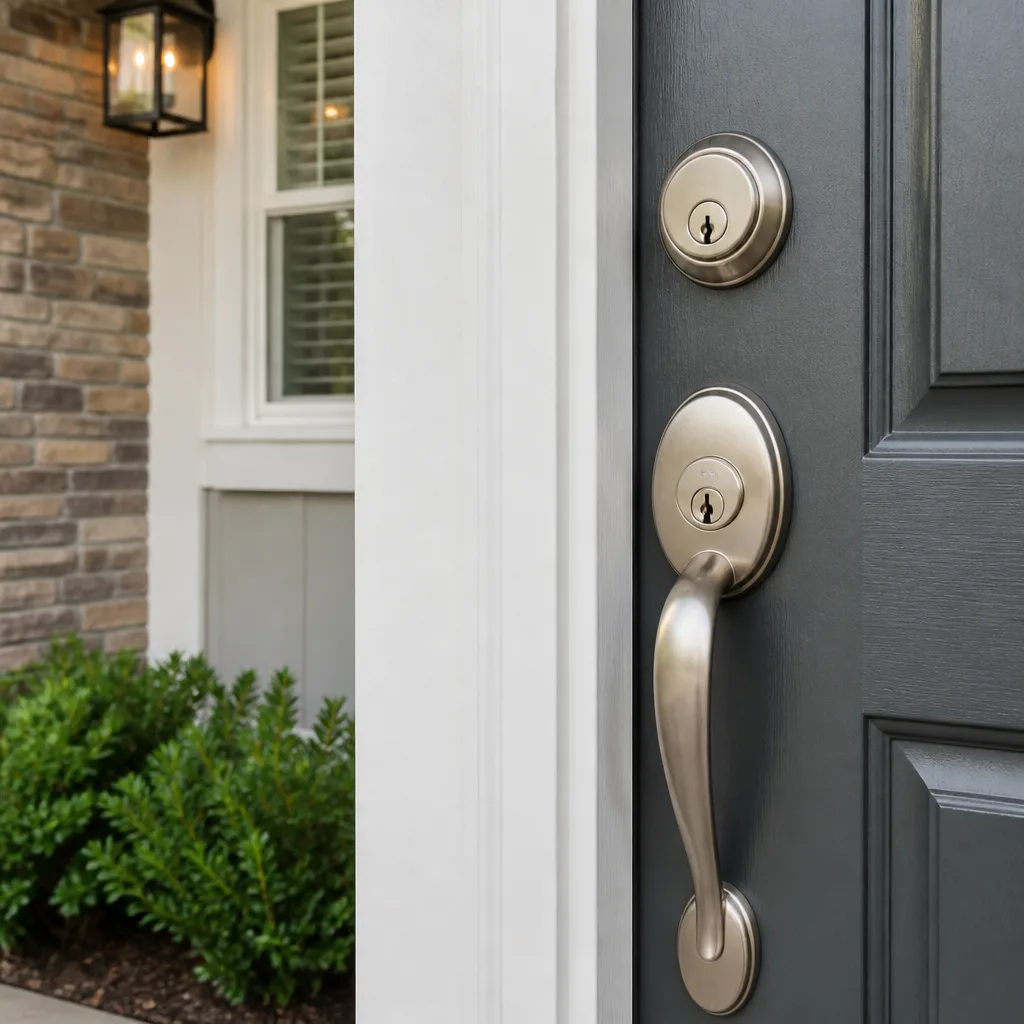
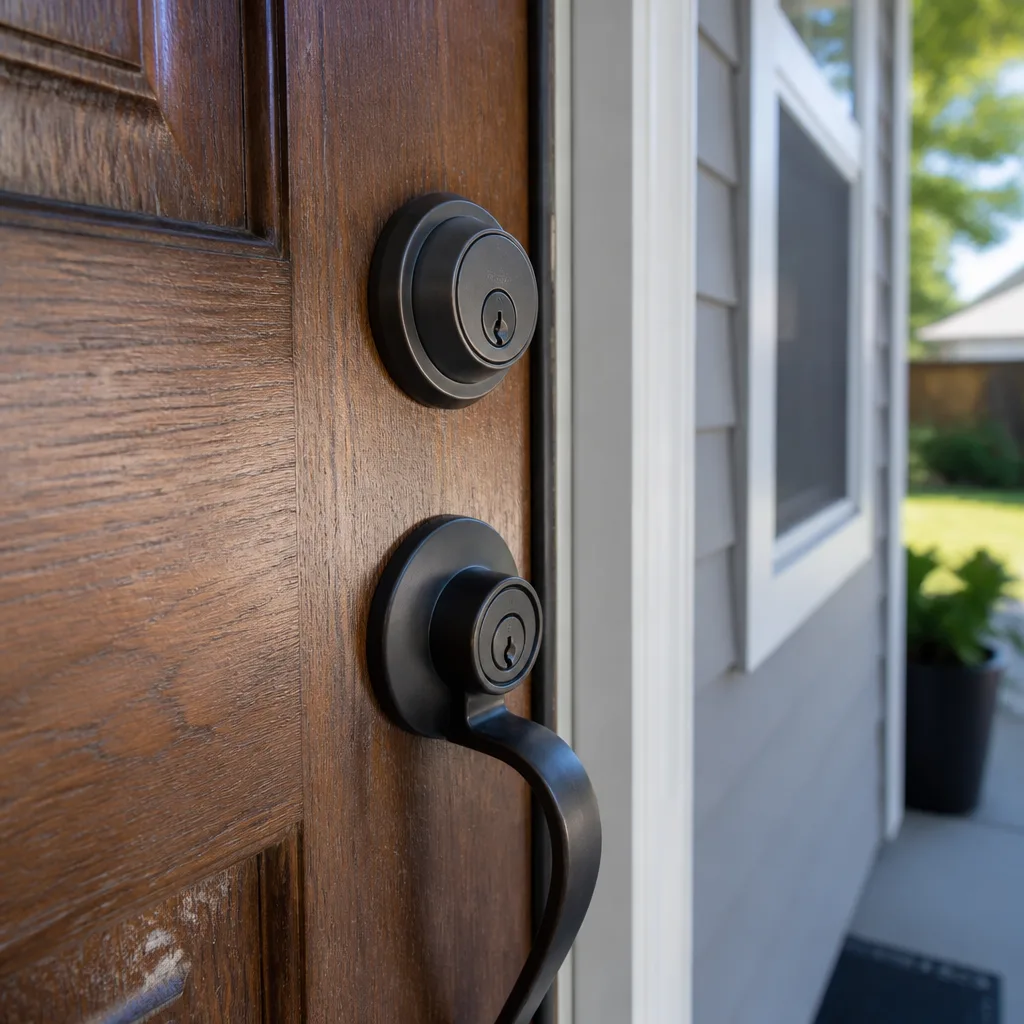
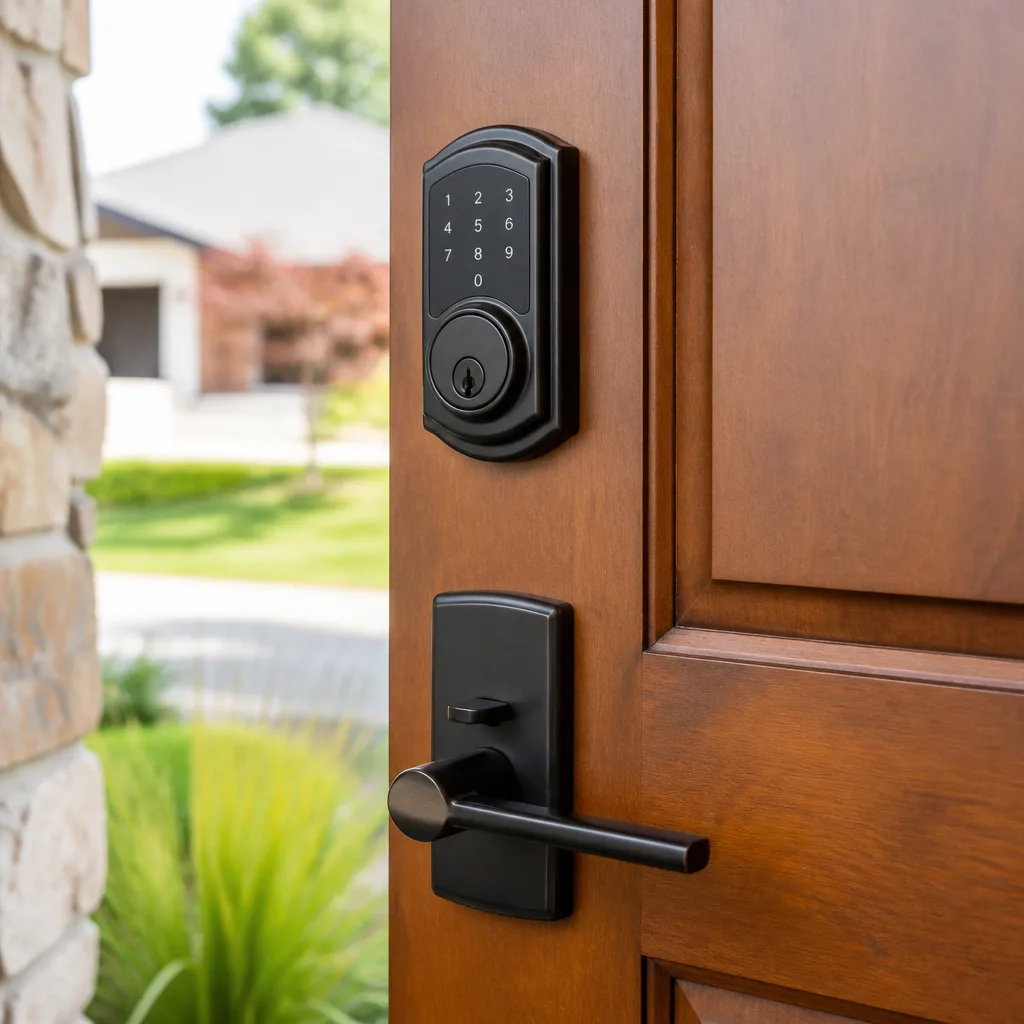
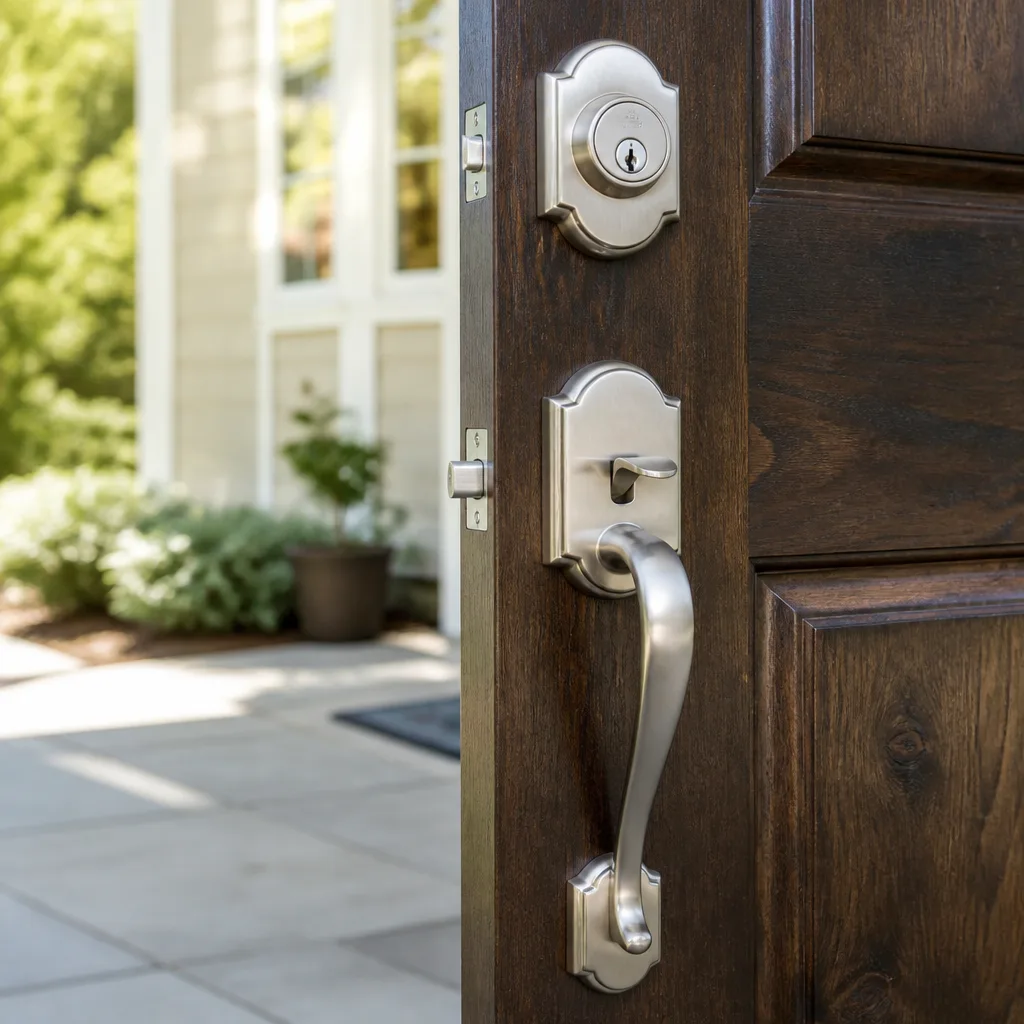
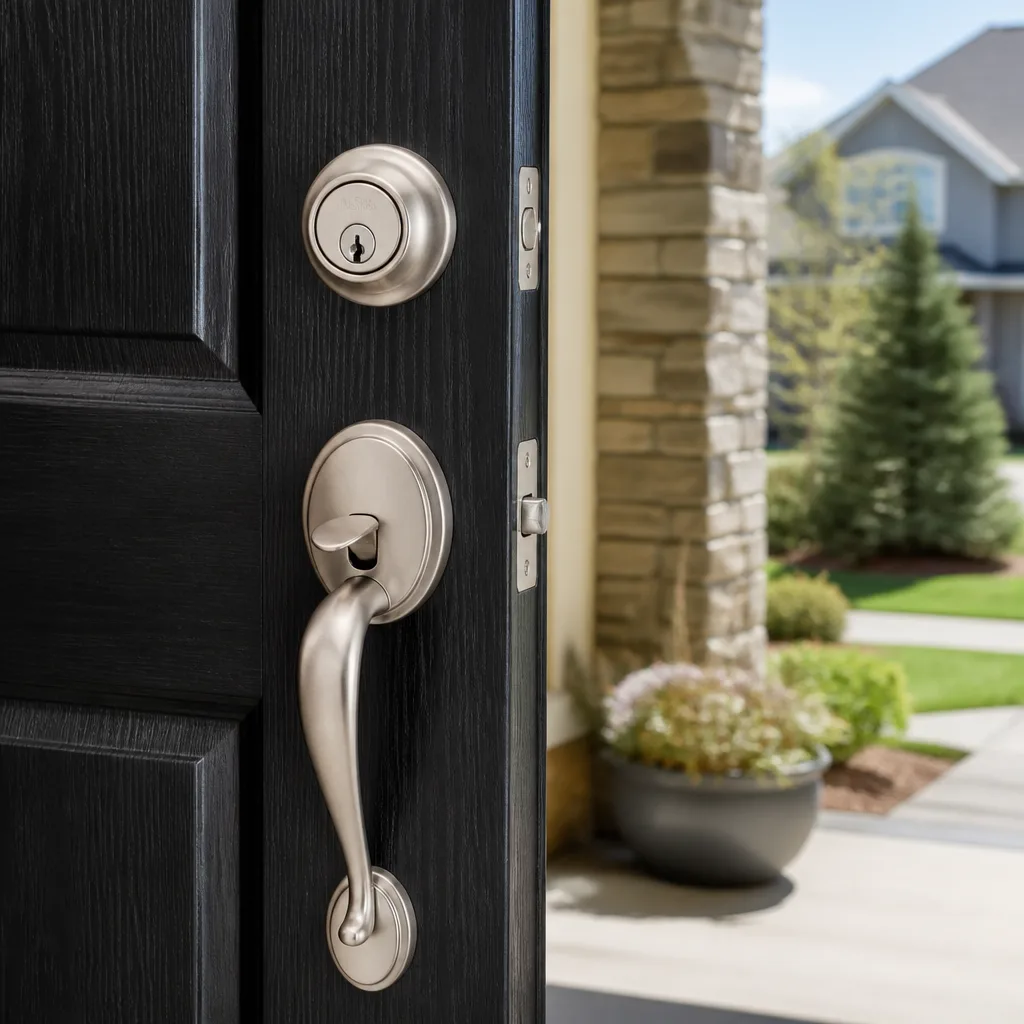
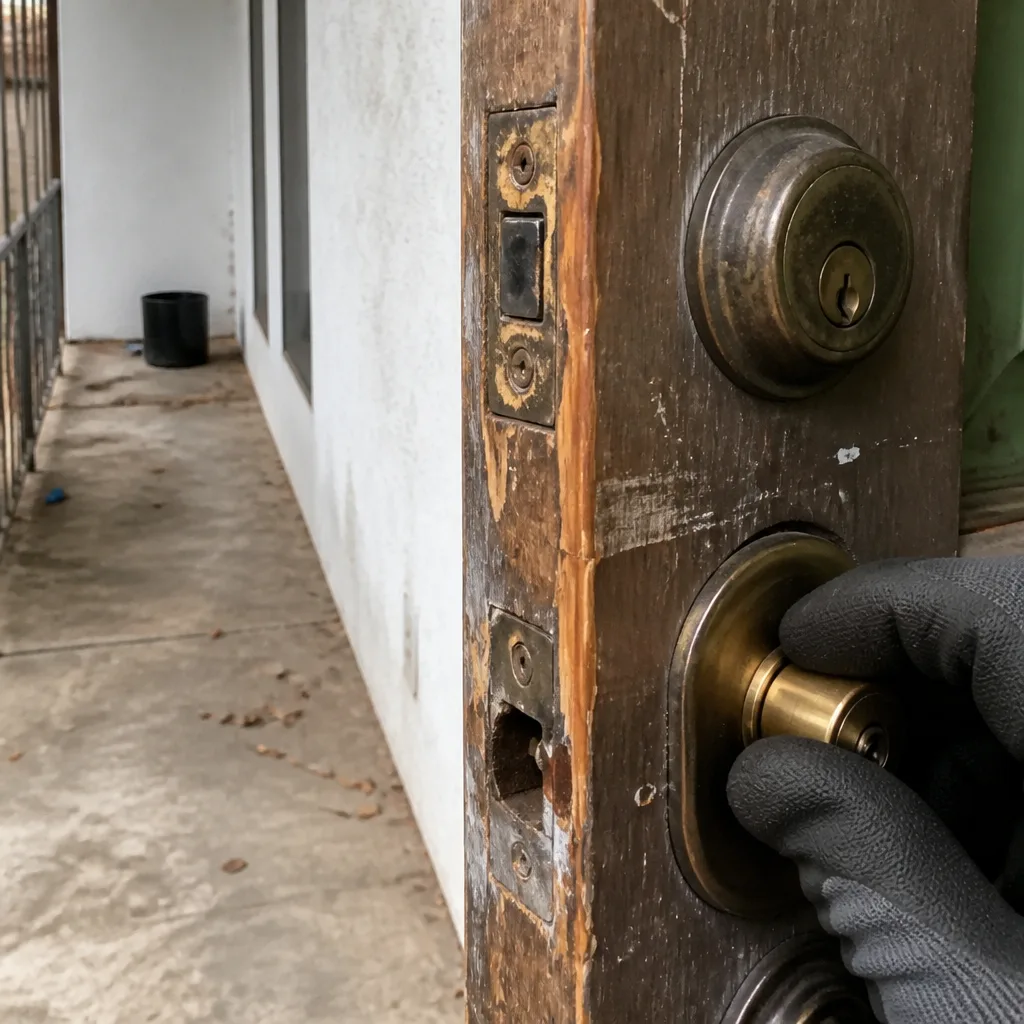 Before
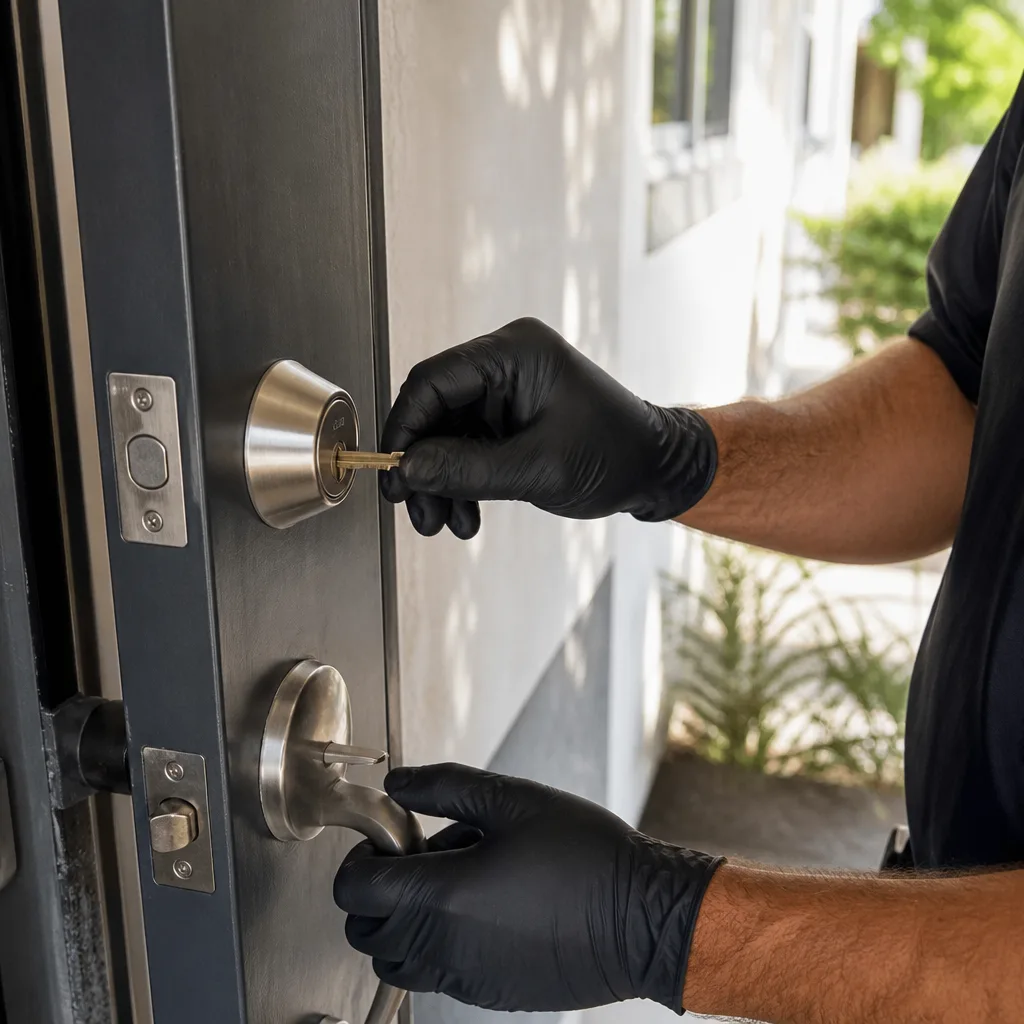 After
AfterCommercial Locksmith Maintenance Schedule: What to Do and When
A commercial door handle in a high-traffic Los Angeles retail location completes more open-close cycles in one month than a residential lock does in five years. That single fact explains why businesses can’t treat commercial hardware the way homeowners treat a front door deadbolt. The locks, panic bars, closers, and key systems on a commercial property are mechanical devices under daily abuse from dozens or hundreds of users. Without a written maintenance schedule, that wear turns into a 7 a.m. lockout, a failed fire-door inspection, or a master key system so compromised that the only fix is a full rekey. This guide builds the schedule most Los Angeles businesses never think to create, using the actual service intervals locksmiths use when a building’s security is treated as an operating system rather than an afterthought. For Commercial Locksmith Troubleshooting: Common Problems and How to Fix Them, see our dedicated guide.
Quick Answer
A commercial locksmith maintenance schedule should be tied to door usage volume, not calendar time alone. Low-traffic offices need a full locksmith inspection once a year, retail and restaurant locations need service every six months, and 24-hour facilities like gyms, hotels, and hospitals need quarterly visits. Each visit should cover cylinder lubrication, strike plate alignment, hinge tension, door closer adjustment, and a key control audit, with written documentation after every service.
Table of Contents
- Why Commercial Locks Fail on a Schedule
- Usage-Tiered Maintenance Intervals
- What a Maintenance Visit Actually Covers
- Key Control as Maintenance: Tracking, Orphans, and Rekey Cycles
- Los Angeles-Specific Considerations
- Documentation, Lease Compliance, and Insurance Claims
- Common Mistakes to Avoid
- When to Call a Professional
- Frequently Asked Questions
Why Commercial Locks Fail on a Schedule
Commercial lock hardware does not fail randomly. It fails when accumulated wear reaches the point where a component can no longer hold tolerance. The failure looks sudden to the person standing at the door at 6:45 a.m., but the conditions that caused it built up over months.
Here is what actually happens inside a commercial lock that gets heavy use. The cylinder pins and springs, which are the standard components in every lock from residential to storefront, wear down from repeated key insertion. A Schlage or Yale commercial cylinder may see 200 to 500 key insertions per day in a busy Los Angeles restaurant. Each insertion scrapes a microscopic amount of brass from the pins. After tens of thousands of cycles, the key starts feeling loose, then catches, then stops turning altogether. A maintenance schedule catches that wear at the “loose” stage, when a simple cylinder replacement costs $85 to $180. Skip maintenance and the failure happens at “stops turning,” which becomes an emergency lockout call at 7 a.m. with after-hours rates.
Door closers fail the same way. The valve inside a commercial closer controls hydraulic fluid under pressure. Temperature swings, which Los Angeles buildings absolutely experience between air-conditioned interiors and 95-degree exterior walls, cause the seals to expand and contract. Over time, fluid leaks out. The door starts slamming. Then someone’s hand gets caught. Then the hinge side of the frame starts pulling away from the wall because a slamming door exerts force the frame was never designed to absorb. A maintenance visit that checks closer valve settings and refills or replaces a leaking closer costs far less than a frame repair, which often requires a contractor and a building permit.
The single most expensive commercial lock failure we see in Los Angeles is the one that was “working fine” for two years. Locks do not work fine for two years of heavy commercial use. They work until they don’t, and the difference between a $120 maintenance repair and a $900 emergency replacement is a calendar.
Usage-Tiered Maintenance Intervals
The maintenance schedule that works for a law office with three partners does not work for a 24-hour gym with 1,500 members. Commercial locks wear based on cycles, not months. So the schedule should be built around usage tiers. Here is the tier system we recommend based on what we see across Los Angeles commercial properties.
Tier 1: Low-Traffic Office – Annual Service
Applies to professional offices, small medical practices with controlled patient flow, and administrative buildings where the same ten to thirty people use the same doors each day. These doors may see a few hundred cycles per week. Annual service is sufficient.
Annual inspection checklist:
- Lubricate all lock cylinders with a dry graphite or PTFE lubricant (never oil-based, which attracts Los Angeles dust and gums up the pins)
- Test every key in the master system, including rarely-used maintenance and utility keys
- Check strike plate screws for tightness; tighten or replace
- Test deadlatch function on entry doors, confirming the latch engages the strike fully
- Inspect hinge screws and tighten any door that has dropped
- Adjust door closer speeds: sweep speed, latch speed, and back-check
- Verify panic bars engage and release cleanly on any fire-rated exit door (this is also a code compliance item)
- Review the key log for issued keys and mark any orphaned keys for follow-up
Tier 2: Retail and Restaurant – Semi-Annual Service
Applies to storefronts, restaurants, bars, cafes, and any business where the public enters through the same doors hundreds of times per day. A busy Los Angeles coffee shop front door can complete 1,500 to 3,000 cycles per day. That is a million cycles in a little over a year. Six-month service intervals are the minimum for these properties.
Semi-annual inspection checklist (in addition to the Tier 1 items):
- Replace cylinder springs and pins if the key shows resistance or wobble
- Test the storefront door’s pivot points and bottom sweep for wear
- Inspect the electric strike on any remotely-released entry door, tightening connections and cleaning the strike face
- Check the door closer for fluid leaks around the valve and arm, and replace the closer if the sweep rate drifts after adjustment
- Verify the deadbolt throw length is full and the bolt does not bind in the strike
- Audit the key control log against current employee roster – terminated employees must have keys reconciled
- Test any alarm contact or access control reader mounted in the door frame for proper engagement
Tier 3: 24-Hour Facility – Quarterly Service
Applies to gyms, hotels, hospitals, data centers, distribution hubs, and any building with round-the-clock access. These doors never rest. The hardware never gets a cooling-off period. Quarterly service is not excessive; it is the minimum that prevents surprise failures at 3 a.m.
Quarterly inspection checklist (in addition to Tier 1 and Tier 2 items):
- Full cylinder teardown and cleaning on the highest-use doors, with spring replacement as standard
- Re-torque all hinge and strike plate screws, since frame screws back out faster on constantly-used doors
- Door closer fluid check and replacement on any closer showing seepage
- Panic bar internal spring and latch mechanism inspection, with replacement of worn components
- Test the entire master key system: every change key, every sub-master, every grand master
- Review the access control integration points: electric strikes, mag locks, and request-to-exit sensors
- Pull the key control log and reconcile every issued key against a physical count
These tiers are the starting point. A building with a mix of doors, an office building with a gym tenant, for example, should treat each door by its actual usage, not by the building’s main function. The front entry gets the Tier 3 schedule; the second-floor storage closet gets Tier 1. The schedule follows the door, not the address.
What a Maintenance Visit Actually Covers
A commercial locksmith maintenance visit is not a locksmith walking around jiggling doorknobs. It is a systematic inspection with a defined scope. Here is what a complete visit covers, item by item. This is the checklist we work from at every commercial property service we perform in Los Angeles.
Cylinder Lubrication
Every lock cylinder on a commercial schedule gets lubricated with a dry lubricant. The pins and springs inside a cylinder, whether it is a standard Schlage or a high-security Medeco, are precision-fitted components with tolerances measured in thousandths of an inch. Dry lubricant keeps them moving smoothly. Wet oil-based lubricants, including WD-40, thicken over time and trap dust, which is especially damaging in Los Angeles, where the air carries fine particulate from freeways and construction. A properly lubricated cylinder extends the life of both the lock and the keys.
Strike Plate Adjustment
The strike plate is the metal plate mounted on the door frame that the latch or deadbolt slides into. When a door sags, which commercial doors do because of constant use and hinge wear, the latch no longer aligns with the strike plate opening. The door starts requiring a shoulder shove or a hard pull. Eventually the latch stops engaging entirely, which means the door is not actually locked even though it looks closed. A maintenance visit checks alignment and adjusts or replaces the strike plate before the failure happens.
Hinge Tension and Frame Integrity
Commercial doors hang on hinges that carry more weight than residential hinges and cycle far more often. Screws back out. Hinge leaves bend. The door drops a fraction of an inch. That fraction is enough to throw off the latch alignment and the closer geometry. A maintenance visit re-torques every hinge screw and checks the frame for cracks or pulling, especially in older Los Angeles buildings where wood frames have gone through decades of thermal cycling from the region’s dry heat and cool coastal mornings.
Door Closer Valve Setting
The door closer has three settings: sweep speed (how fast the door closes from full open), latch speed (how fast it closes for the last few inches), and back-check (the resistance that stops the door from being thrown open too hard). All three drift over time as hydraulic fluid leaks and internal seals wear. A maintenance visit tests each setting, adjusts the valves, and replaces the closer if it cannot hold a consistent speed. This is a safety item as much as a security item: a closer that slams is a hand injury waiting to happen, and a closer that fails to latch means the door never locks.
Key Control Audit
The most overlooked part of commercial lock maintenance is not mechanical at all. It is the key log. Every commercial property should have a written record of every key issued, to whom, when, and whether it has been returned. A maintenance visit includes a review of that log. Keys issued to terminated employees, keys that were “lost” and replaced, keys floating around on unmarked rings, all of these represent security gaps. The audit identifies them. The fix is often a rekey, which is cheaper than most business owners expect.
Key Control as Maintenance: Tracking, Orphans, and Rekey Cycles
Key control is the part of commercial locksmith work that has nothing to do with the lock itself and everything to do with who can open it. A building with perfect mechanical locks and no key control is not secure. The key control audit is as much a maintenance item as cylinder lubrication.
A rekey, which means changing the lock’s internal pins so old keys no longer work without replacing the hardware, is a standard maintenance action. For commercial properties, it should be on a cycle. Here is the math. Every time an employee with a key leaves, the building should be rekeyed unless the key was returned and verified. Every time a key is reported lost, the affected cylinder or cylinders should be rekeyed. When a business cannot account for how many copies of a key exist, the only way to restore control is a full rekey of the affected area.
In a master key system, key control gets more complicated. A master key system means there are individual keys for specific doors and higher-level keys that open multiple doors. Each level of key represents a wider security footprint. If a master key goes missing, the entire system it covers is compromised. A rekey in a master system can be scoped narrowly: a single cylinder can be rekeyed to a new change key without disturbing the master key hierarchy, or a full level can be rekeyed if the compromised key was high-level hardware from lines like Medeco or Mul-T-Lock, which have restricted keyways and patented key control that prevents unauthorized duplication.
Here is the practical maintenance rule. If the key log is current and every key is accounted for, no rekey is needed. If the log has gaps, orphaned keys (keys listed as issued but not traceable to a current employee), or unreported duplicates, the rekey is due. In our experience with Los Angeles commercial clients, a restaurant that has been through three managers in two years almost always has orphaned keys. The rekey cycle for a property like that should be tied to management turnover, not just calendar time. A full rekey of standard commercial locks in Los Angeles typically runs $15 to $35 per cylinder for standard hardware, and more for high-security restricted cylinders, which is far less than the cost of one unauthorized entry.
Los Angeles-Specific Considerations
Commercial locks in Los Angeles face conditions that locks in other climates do not. The maintenance schedule should account for them.
Dust and particulate. Los Angeles air carries fine dust from the freeways, construction, and the Santa Ana winds that blow in from the desert. That dust gets into lock cylinders, especially on exterior doors. It mixes with whatever lubricant is in the cylinder and forms a grinding paste that accelerates pin wear. This is why we recommend dry lubricants and more frequent cylinder cleaning on exterior doors in Los Angeles than the same door would need in, say, Seattle.
Temperature swings. Los Angeles buildings experience significant day-night temperature swings, especially inland. A door on the south-facing side of a Valley building can go from 40 degrees at dawn to 110 degrees on the surface by afternoon. Metal expands and contracts. Door frames shift. Locks that worked fine in the morning bind in the afternoon. Maintenance visits should include checking exterior door alignment in the heat of the day, when thermal expansion is at its peak.
Coastal salt air. Properties near the coast, Santa Monica, Venice, Long Beach, San Pedro, deal with salt air corrosion on exposed metal components. Cylinder springs, screws, and strike plates corrode faster. These properties need more frequent replacement of small hardware components and should be on the shorter end of their usage tier’s interval range.
Older building stock. Much of Los Angeles’s commercial real estate dates from the 1920s through the 1970s. These buildings have wood frames that have dried and hardened over decades, cast iron hardware that is no longer manufactured, and doors that have been retrofitted multiple times. Maintenance on these buildings requires a locksmith who understands legacy hardware and can source or fabricate replacement parts when originals are unavailable. The big-box approach of “replace the whole door” does not work on a 1940s storefront in Highland Park.
Code compliance. Los Angeles commercial buildings are subject to fire code requirements for exit doors. Panic hardware on designated exit doors must function correctly at all times. A failed panic bar is not just a security issue; it is a fire code violation that can be cited during inspection. A maintenance schedule that includes panic bar testing is doing double duty: protecting the building’s occupants and keeping the building in code compliance.
Documentation, Lease Compliance, and Insurance Claims
Here is the part most more guides & resources skip. The paperwork matters. A written maintenance log is not a formality; it is the document that protects a commercial tenant or building owner when something goes wrong.
Commercial leases in Los Angeles commonly require tenants to maintain the security of their premises. Some leases specify lock maintenance requirements. When a break-in occurs and the tenant files an insurance claim, the insurer typically asks whether the locks were functioning and maintained. A tenant who can produce a maintenance log showing semi-annual locksmith service is in a much stronger position than a tenant who says the lock “seemed fine.” The maintenance log turns a vague claim into a documented fact.
The Garrison Standard service record, which every Ridley Locksmith & Security commercial visit in Los Angeles includes, is built for exactly this situation. After every maintenance visit, the property owner or manager receives a written record of what was inspected, what was found, what was adjusted or replaced, and what remains on the watch list for the next visit. The record is signed by the technician. It is a document, not a verbal summary, and it holds up in disputes with insurers, landlords, and code inspectors. We have seen Los Angeles business owners use these records to demonstrate compliance with lease requirements and to support claims after forced-entry incidents.
For commercial tenants specifically, here is the sequence that gets the most out of documentation:
- Schedule the initial full inspection and establish the baseline condition of every lock, closer, hinge, and exit device
- Request a written report after every maintenance visit and keep it filed with lease documents
- Review the report for deferred items and schedule the follow-up before the next maintenance interval
- Present the log to the landlord or property manager if a dispute arises about security condition
- Provide the log to the insurer immediately after any break-in or lock-related loss
Common Mistakes to Avoid
- Treating commercial locks like home locks. A commercial lock that gets 2,000 cycles per day cannot be maintained on the same schedule as a front door deadbolt that gets ten cycles per day. Using a “check it when it breaks” approach on commercial hardware guarantees the failure happens during business hours.
- Lubricating with WD-40 or oil. Oil-based lubricants attract dust, which in Los Angeles means a cylinder full of gritty paste within months. The pins wear faster, the key starts sticking, and the cylinder that could have lasted five years dies in two.
- Letting the key log go stale. A key log that is not updated when employees leave is not a key log. It is a false sense of security. Orphaned keys are the most common security gap in small Los Angeles businesses.
- Ignoring door closer drift. A door that starts closing a little harder each month is telling you something. The closer is failing. By the time it slams, the repair has expanded to include hinge and frame damage.
- Skipping panic bar testing. Exit hardware is a life-safety device, not just a lock. A panic bar that binds or fails to release is a fire code violation and a genuine danger. It belongs on every maintenance checklist without exception.
- Deferring maintenance to save money. The math does not work. A $120 maintenance repair deferred turns into a $400 to $900 emergency repair, often with after-hours service rates and lost business hours on top. The maintenance visit is the cheaper option every time.
- Not keeping the paperwork. A maintenance visit without a written record is a visit that never happened as far as an insurer or landlord is concerned. Demand written documentation after every service.
When to Call a Professional
Some maintenance tasks, like checking a door’s alignment or reviewing a key log, a building manager can do. The mechanical work should go to a professional locksmith. If a cylinder is sticking, a door closer is leaking fluid, a panic bar feels stiff, or a key snapped off in a lock, call someone who works on this hardware every day. High-security systems from Medeco or Baldwin, master key hierarchies, electric strikes, and panic hardware are not DIY territory. A botched attempt at a commercial lock repair makes the eventual professional repair more expensive than it would have been originally. Ridley Locksmith & Security offers free estimates on commercial maintenance in Los Angeles at (956) 275-7388. Read Commercial Locksmith Warning Signs Every Homeowner Should Know to catch issues early. The price is quoted before any work starts, in writing, and it is the price on the invoice.
Frequently Asked Questions
Commercial maintenance visits in Los Angeles typically run $95 to $250 per visit depending on the number of doors, the hardware type, and the usage tier. Standard cylinders, Schlage, Kwikset, Yale, are less expensive to service than high-security restricted systems like Medeco. The full price is quoted in writing before any work starts, and there is no call-out surcharge added on arrival. Call (956) 275-7388 for an exact quote on your building.
Commercial locks should be serviced annually at minimum for low-traffic offices, every six months for retail and restaurant locations, and every three months for 24-hour facilities. The schedule follows door usage volume, not the calendar alone. A door that gets 2,000 cycles per day needs attention twelve times as often as a door that gets 150 cycles per day.
A key control audit is necessary for any business that issues keys to more than one or two employees. The audit compares the key log against the current employee roster, identifies orphaned keys, and determines whether a rekey is needed. Without this audit, a business has no way to know how many copies of its keys exist or who holds them.
A rekey changes the internal pins of an existing lock so old keys no longer work, without replacing the hardware. A lock replacement removes the old lock and installs new hardware. Rekeying is almost always cheaper, typically $15 to $35 per cylinder for standard commercial hardware, and makes sense when the existing hardware is in good condition but key control has been compromised.
Los Angeles fire code requires that exit doors and panic hardware function correctly at all times, which effectively mandates that life-safety hardware be maintained. Commercial leases in Los Angeles also commonly require tenants to maintain premises security. Written maintenance records demonstrate compliance with both.
A commercial maintenance report should list every door inspected, the condition of each lock, closer, hinge, and exit device, what was adjusted or replaced, and what was deferred for the next visit. It should be signed and dated by the technician. Ridley Locksmith & Security provides this written record after every commercial visit as part of The Garrison Standard service.
The Bottom Line
Commercial locks wear on a predictable schedule. The only question is whether the building owner gets ahead of that wear or waits for the 7 a.m. lockout. A usage-tiered maintenance schedule, annual for low-traffic, semi-annual for retail, quarterly for 24-hour facilities, with disciplined key control and written documentation, is the difference between a $120 service call and a $900 emergency. Los Angeles adds its own variables: dust, heat, salt air, aging buildings, and code requirements. A maintenance plan that accounts for those variables, executed by a locksmith who provides a written price before work starts and a written guarantee after, is how serious operators run their buildings. The locks will fail eventually. The schedule decides whether it happens during regular hours, handled as routine maintenance, or at the worst possible moment as an emergency. The full guide to commercial locksmith services from Ridley Locksmith & Security covers maintenance, rekeying, and emergency response for Los Angeles businesses under one standard.
Written by Drew Kowalski, Owner at Ridley Locksmith & Security, serving Los Angeles since 2007.