
Last updated October 9, 2026
Non-destructive entry first, always - and we re-key Schlage, Kwikset, and Baldwin locks on the spot while you watch
You get a price before we start. It does not change when we arrive. No surprises.
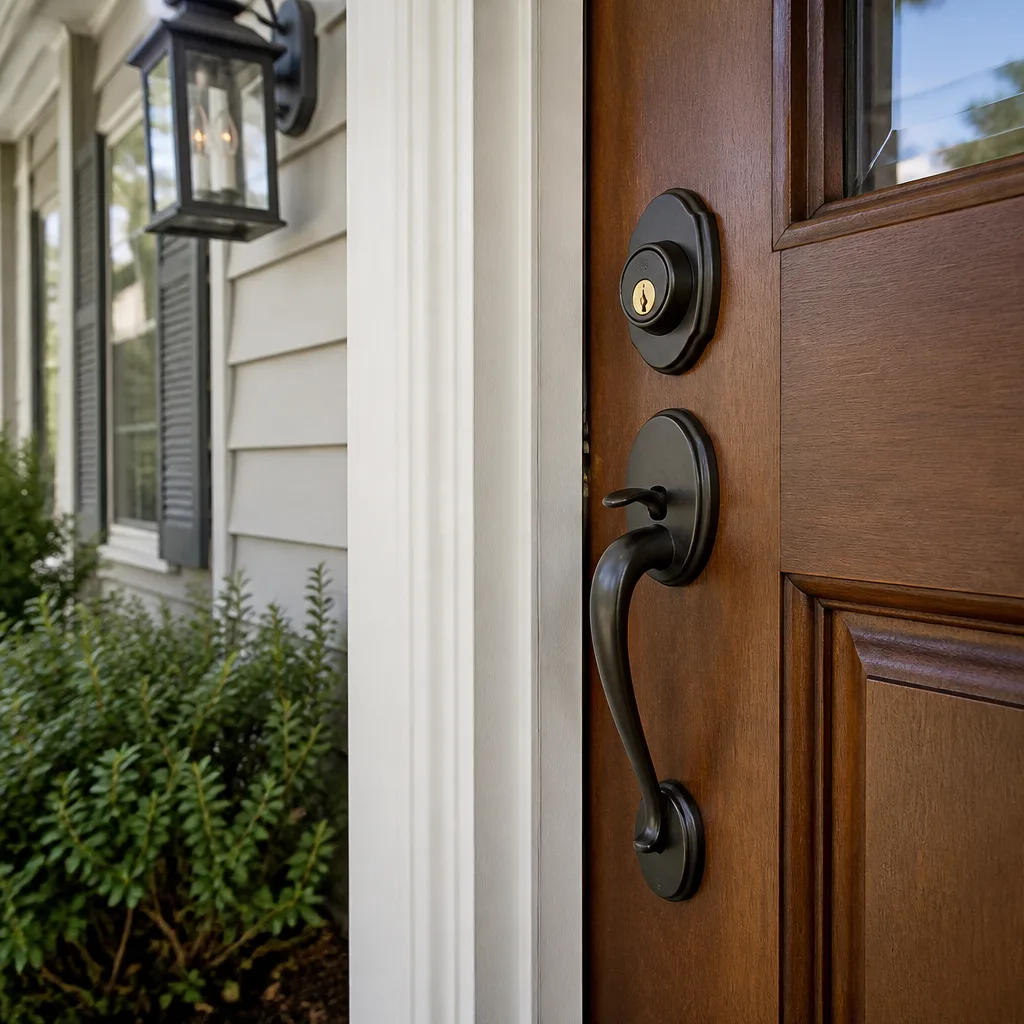
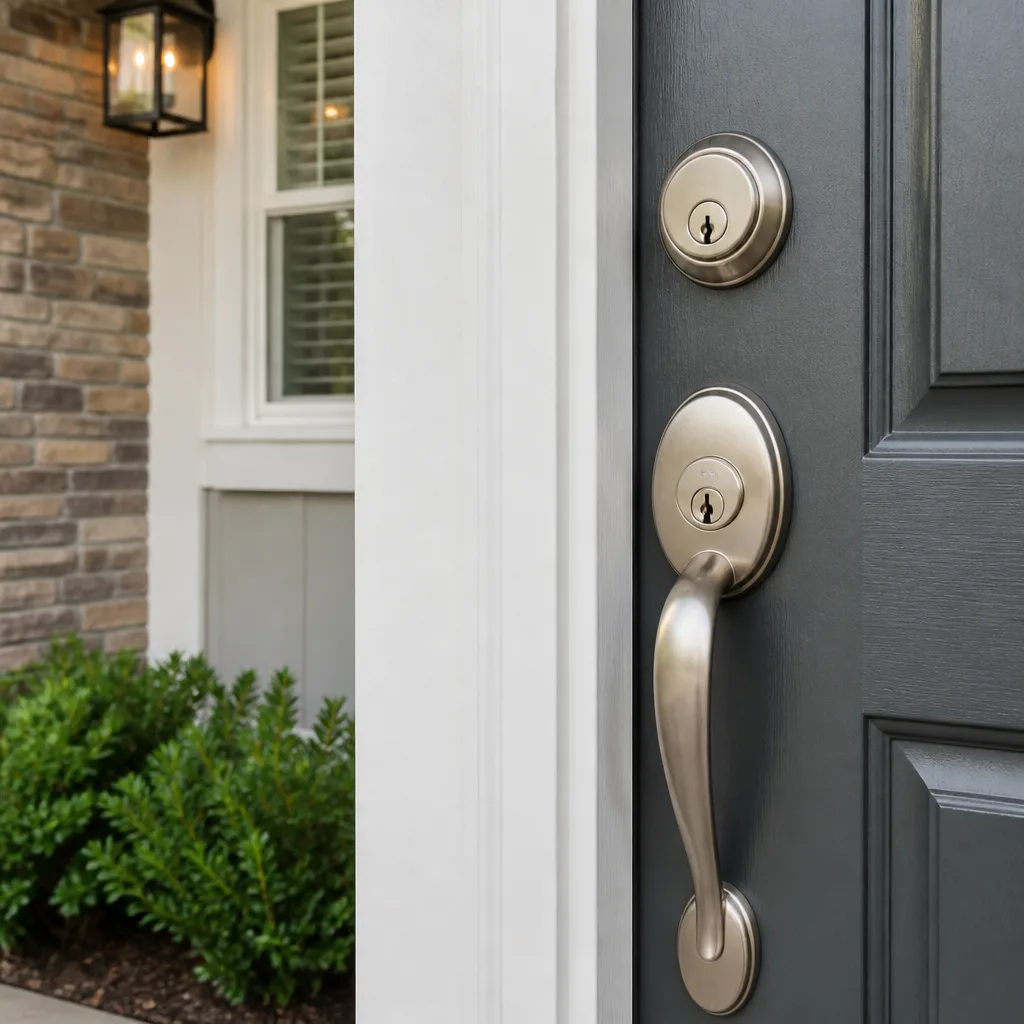
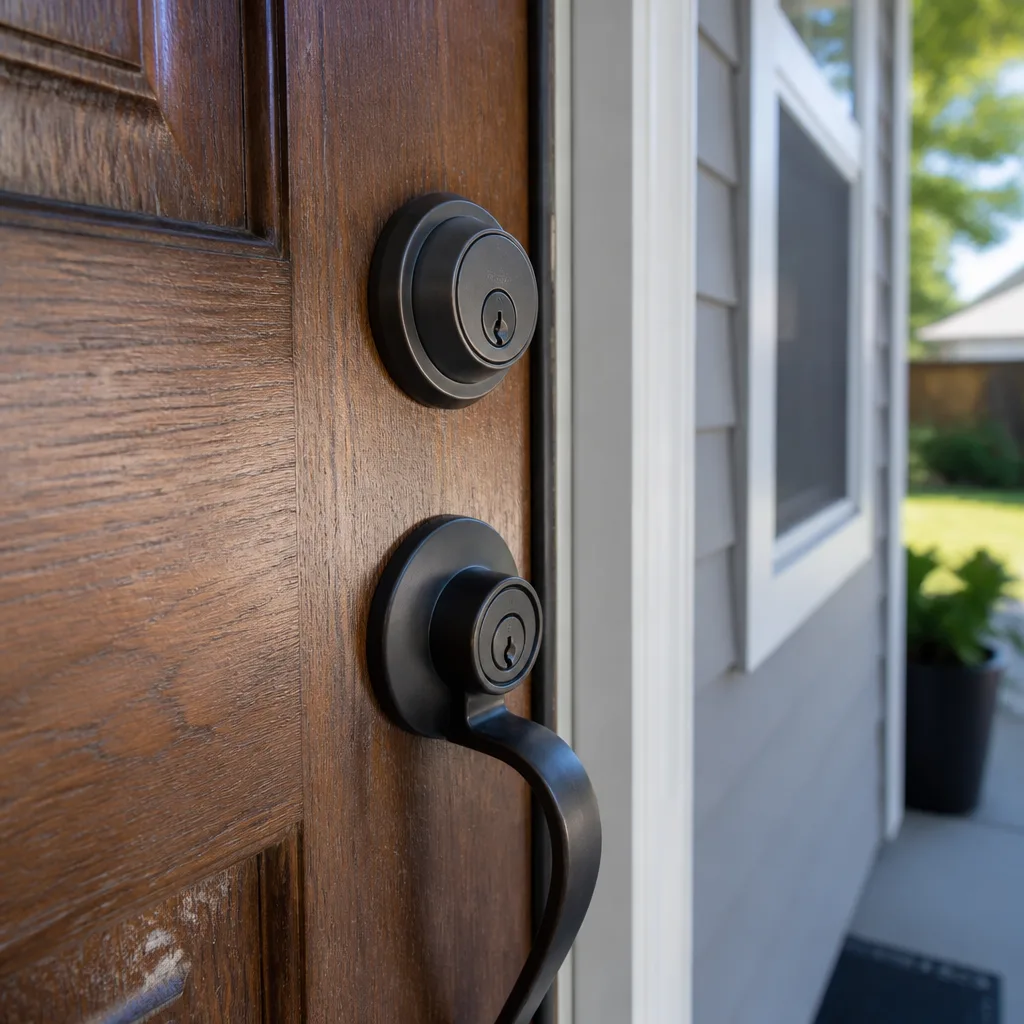
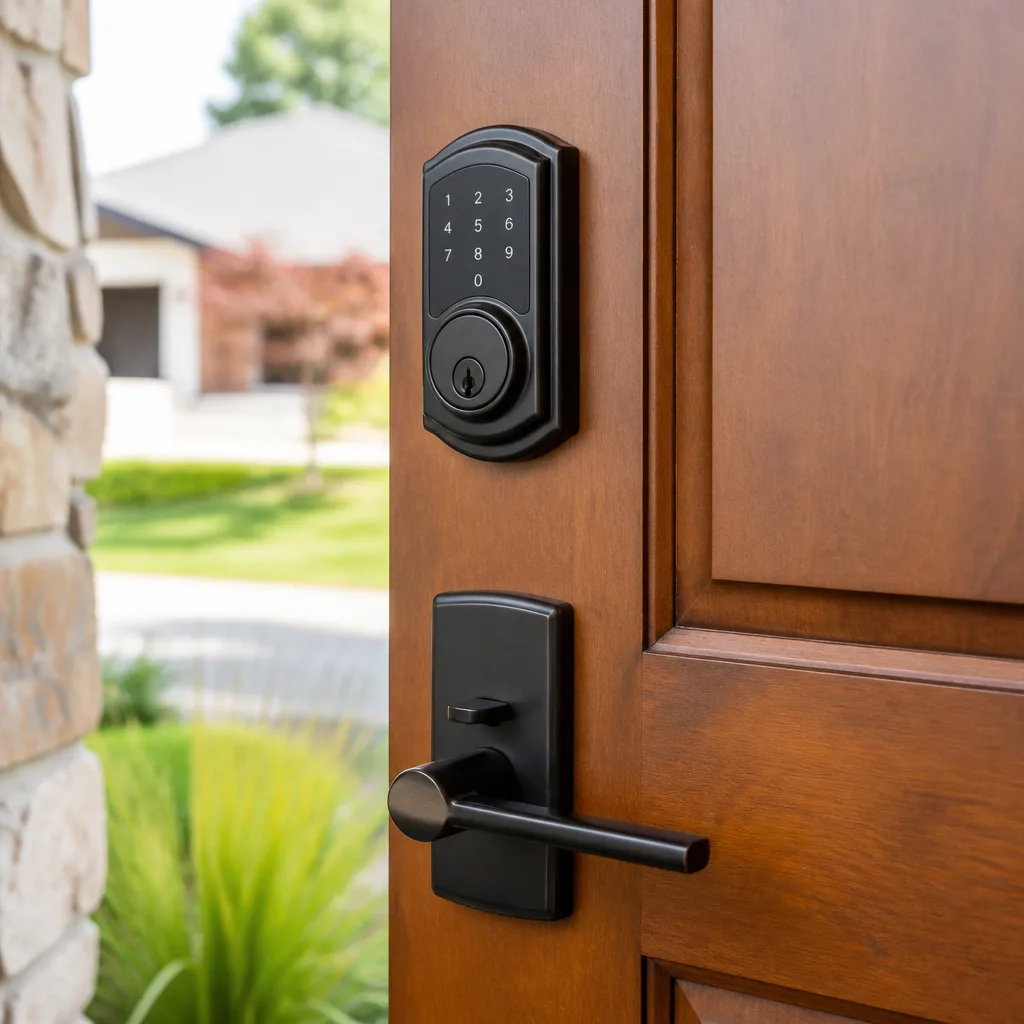
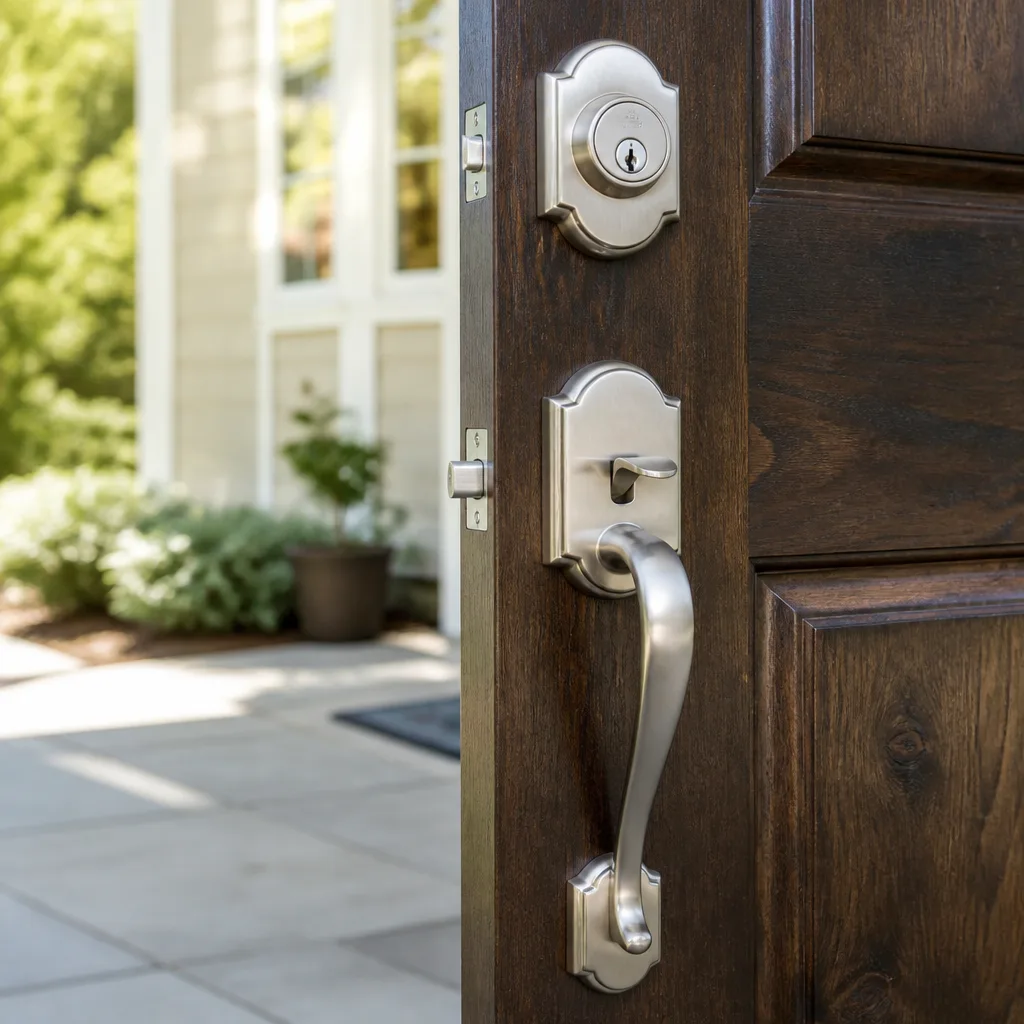
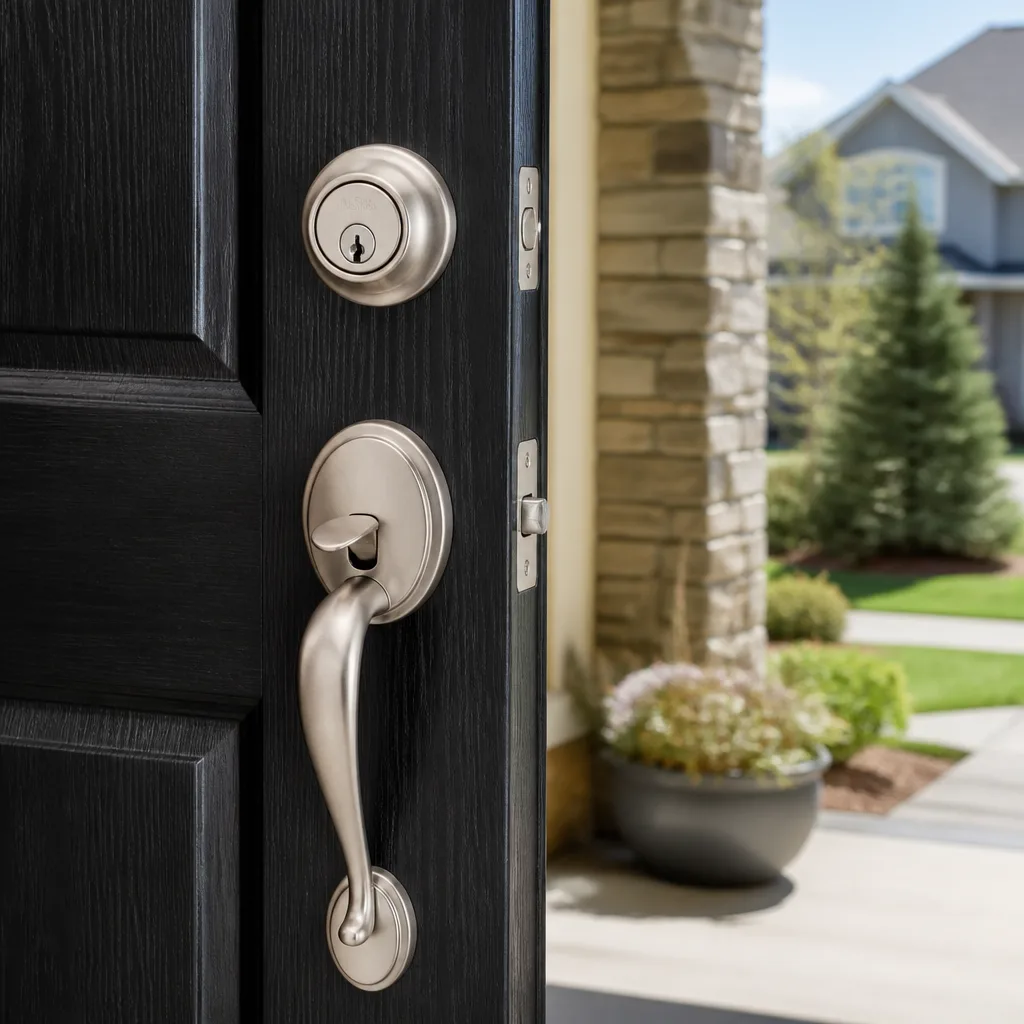
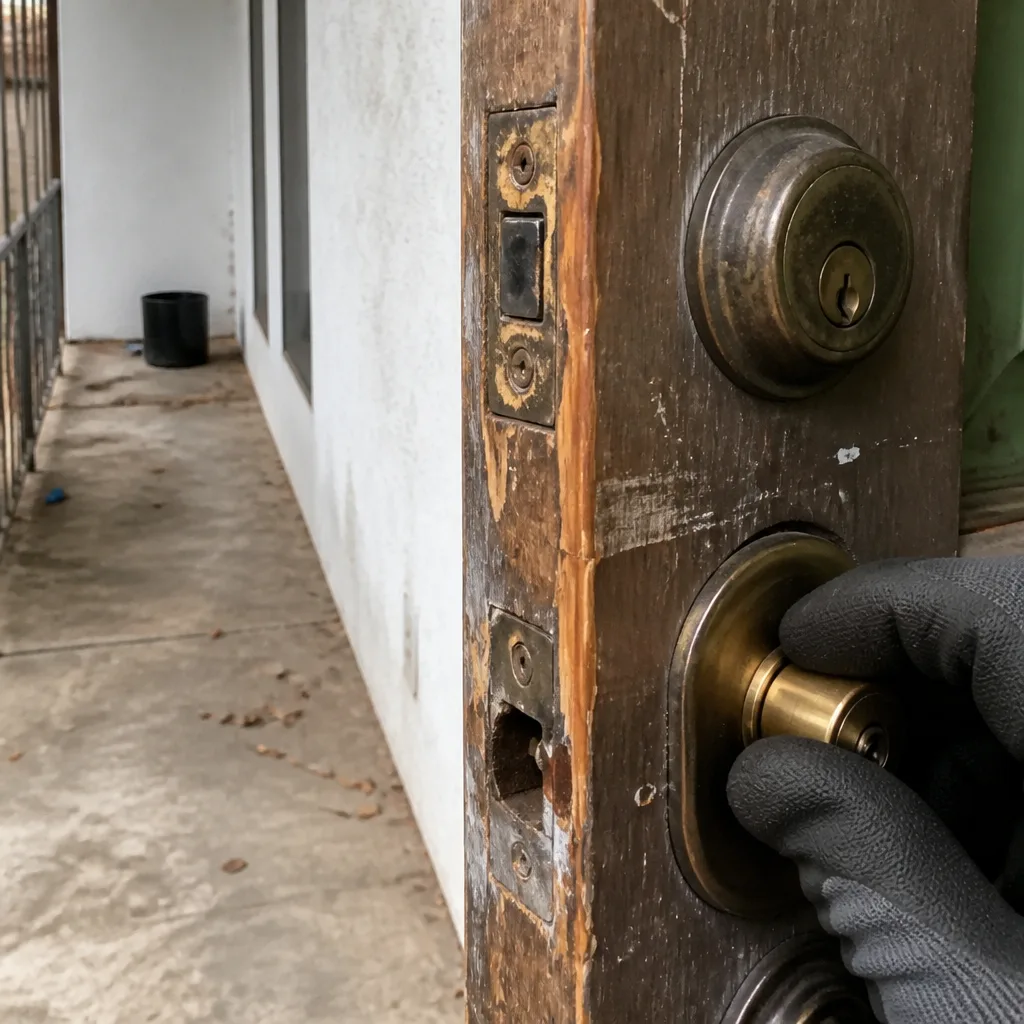 Before
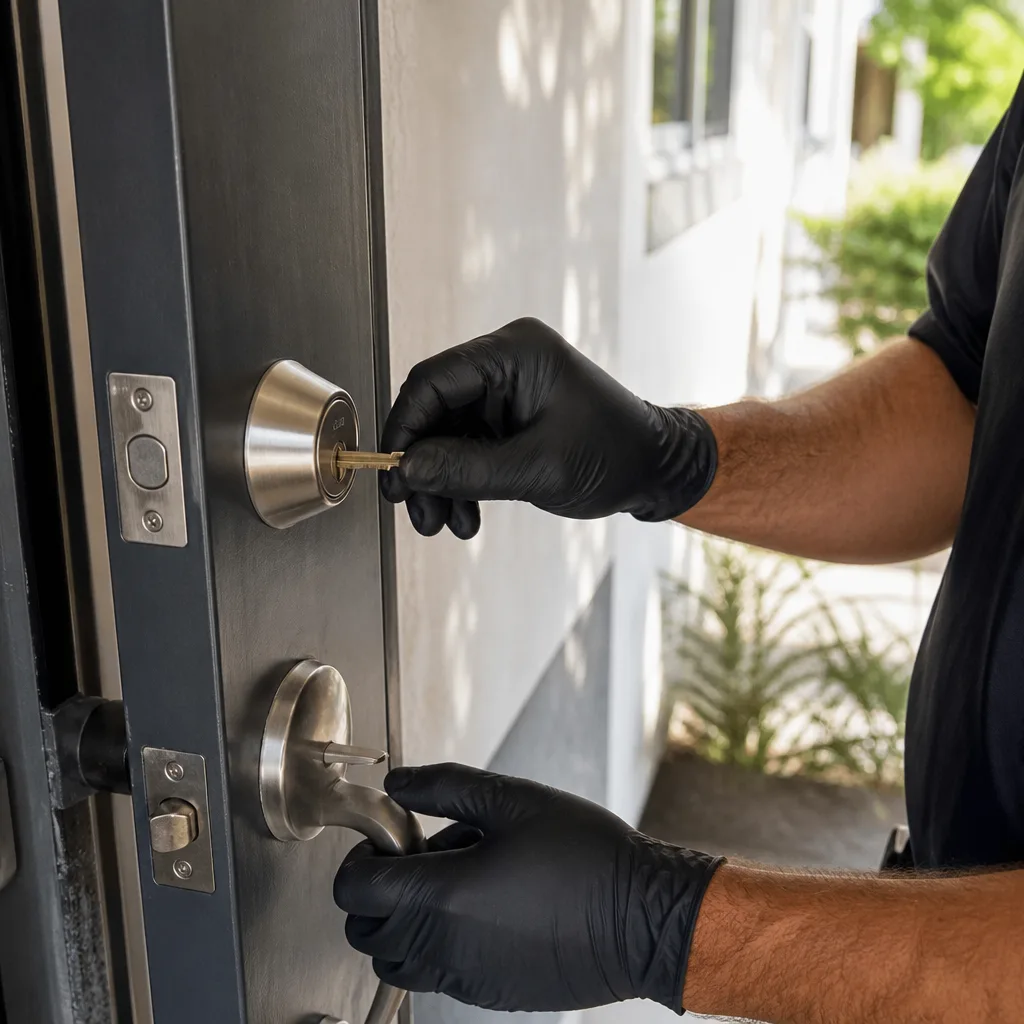 After
AfterHow Long Does Rekey Locks Take? Timelines and What to Expect
A technician who quotes you “about an hour for five locks” is quoting cylinder time. They’re not accounting for the 20 minutes of door assessment, hardware condition checks, and key verification that a job done correctly requires. That gap between the brochure number and the real timeline is where rushed work hides, and in Los Angeles, where homes range from 1920s bungalows in Highland Park to new builds in Playa Vista, the variables stack up fast. This guide gives you real numbers, broken down cylinder by cylinder and scenario by scenario, so you can schedule accurately and spot when a job is being rushed. For more guides & resources, see our more guides & resources.
We’re Ridley Locksmith & Security, operating to The Garrison Standard across Los Angeles since 2007. We’ve rekeyed thousands of locks in this city, and we’ve seen the same pattern repeat: customers told one timeline on the phone, handed a different one at the door, and left unsure whether the work was even done right. This page exists to fix that.
Quick Answer
Rekey Locks services for a single standard lock takes 10 to 20 minutes of active technician time. A typical Los Angeles home with 3 to 5 locks takes 45 to 90 minutes on site, including door assessment, hardware condition checks, and key verification. High-security locks, corroded hardware, or keying multiple locks to match add time, and a rushed job that skips verification is a security liability, not a savings.
Table of Contents
- Cylinder-by-Cylinder: How Long Each Lock Type Takes
- What Adds Time That No Quote Accounts For
- Why Keying Alike Takes Longer Than Independent Rekeys
- What a Rushed Rekey Looks Like
- Scheduling for Specific Los Angeles Scenarios
- Step-by-Step: What a Proper Rekey Job Includes
- What Rekeying Costs in Los Angeles
- Common Mistakes to Avoid
- When to Call a Professional
- Frequently Asked Questions
Cylinder-by-Cylinder: How Long Each Lock Type Takes
The published figure of “15 minutes per lock” describes one thing only: the time a technician spends with the cylinder out of the door, swapping pins and springs. It does not include removing the hardware, diagnosing condition, reinstalling, or testing. Here are real per-cylinder numbers from our work across Los Angeles, from Koreatown apartments to Sherman Oaks single-family homes. See our detailed breakdown on How Long Does Residential Locksmith Take? Timelines and What to Expect.
- Traditional pin-tumbler cylinders (Schlage, Kwikset, Yale, Baldwin): 8 to 12 minutes per cylinder in good condition. These are the most common locks in Los Angeles residential doors and the fastest to rekey when the hardware is clean.
- Kwikset SmartKey cylinders: 3 to 5 minutes per cylinder. The SmartKey system is designed for quick rekeying with a learning tool, but it still requires verification steps afterward that add a few minutes per lock.
- High-security or sidebar cylinders (Medeco, Mul-T-Lock, Abloy, Sargent): 15 to 25 minutes per cylinder. These locks use side pins or sidebar mechanisms that require specialized pin kits and more precise work. Rushing these is how you ruin a $200 cylinder.
- Corroded or damaged cylinders: Add 10 to 20 minutes per cylinder, or plan for replacement. In Los Angeles, coastal neighborhoods like Venice and San Pedro expose locks to salt air, and we regularly see cylinders so corroded they need to be cut out, not rekeyed.
So a 3-lock house with standard Schlage hardware is genuinely a 30-to-40-minute cylinder job. But nobody in this trade should be quoting you cylinder time alone, because the cylinder work is only half the job.
What Adds Time That No Quote Accounts For
Here is what actually eats time on a rekey call, and why the honest numbers rarely match the phone quote.
- Door assessment: Before touching a single pin, the technician should check each door: Does the deadbolt throw fully? Is the strike plate aligned? Does the latch bind against the frame? In older Los Angeles homes, foundation settling means doors shift, and a lock that rekeys fine can still fail to latch. That assessment takes 3 to 5 minutes per door.
- Mismatched keyways: A 1950s Baldwin knob and a 2015 Kwikset deadbolt on the same door may use different keyways requiring different pin kits. Switching kits, resetting the pinning tray, and keeping bittings straight adds 10 to 15 minutes to a multi-lock job. In Los Angeles, where homeowners mix hardware brands across decades of renovations, this is the rule, not the exception.
- Corroded retaining screws: The tiny screws that hold a cylinder in place can seize, especially in coastal air or after years without maintenance. Removing a seized screw without stripping the head takes patience, penetrating oil, and sometimes drilling. Add 5 to 15 minutes per affected lock.
- Rim cylinders and SwingBolts on older LA doors: Pre-1960s apartment buildings and bungalows often have rim cylinders on the exterior with a separate interior thumbturn. These are slower to remove and reinstall than modern tubular deadbolts, adding 5 to 10 minutes each.
- Key verification: After every rekey, the technician should test each new key in both turn directions, test the old keys to confirm they no longer operate, and check the bolt throw. That’s 2 to 3 minutes per lock. Skipped verification is the first sign of a rushed job, and we’ll return to it below.
Add all of this together and a 5-lock house can realistically run 75 to 100 minutes. The work isn’t slow because the technician is slow. It’s slow because doing it correctly involves checking things most quotes pretend don’t exist.
Why Keying Alike Takes Longer Than Independent Rekeys
If you want every lock in the house to operate on a single key, the job is called keying alike, and it takes longer than rekeying each lock independently. Here’s why.
- Bitting consistency must be verified across every cylinder. The technician sets the same pin depths in every lock, but tolerances vary between manufacturers. A Kwikset cylinder and a Schlage cylinder cut to the same depths can still behave differently at the shear line. Verifying that all cylinders turn smoothly on the same key means testing each one individually, then testing them in sequence.
- Different keyways complicate keying alike. If your front door is Schlage and your back door is Kwikset, the same physical key blank will not fit both. Keying alike across different keyways requires either replacing cylinders to match or working within a shared keyway family, both of which add time and parts cost.
- Master key systems multiply the complexity. For commercial properties in Los Angeles, a master key system means some keys open only specific doors while a master opens all. Setting up a new master key system involves pinning every cylinder to two shear lines, which adds 10 to 15 minutes per cylinder over a standard rekey. Medeco and Mul-T-Lock master systems, common in Los Angeles commercial buildings, take longer still due to their sidebar mechanisms.
So when a phone quote tells you “five locks, keyed alike, under an hour,” that’s either a very experienced technician with all-hardware matching, or a quote that will change at the door. In our experience, it’s usually the second one.
What a Rushed Rekey Looks Like
A rekey can be done in half the time it should take, and the work will look fine from the outside. Here is what gets skipped, and why it matters.
- No key test in both turn directions: A key that works clockwise but sticks counterclockwise means a pin is slightly off. A rushed tech tests once, sees the plug turn, and moves on. Six months later, the lock seizes on a rainy night and you’re locked out. Los Angeles gets 15 rainy days a year, and every one of them is when a marginal pin job fails.
- No old key verification: The whole point of rekeying is that the old keys stop working. A technician who doesn’t test the old keys hasn’t verified the core purpose of the job. We’ve seen cases where a single chamber was left with the old pin, and the old key still turned.
- No bolt throw check: The deadbolt should extend fully into the strike plate and retract smoothly. If the door has shifted and the bolt binds, the rekey is technically successful but functionally useless. Checking bolt throw takes 30 seconds per door and is one of the most common things skipped on speed jobs.
- No hardware cleaning: A proper rekey includes cleaning out old grease, debris, and pin wear. A rushed tech swaps pins and reassembles the same dirty cylinder. The new pins wear faster, and within a year the lock feels gritty. That’s a 365-Day problem, not a day-one problem.
- No strike plate alignment check: The lock and the strike plate work as a unit. A lock that’s rekeyed perfectly but has a misaligned strike will still fail, and the failure looks like a lock problem. Checking alignment adds a minute per door and prevents a callback.
None of these skipped steps are visible in a final photo. They’re visible six months later when the lock fails, the old key still works, or the deadbolt jams. Rushed rekey work isn’t incomplete work in the moment. It’s deferred failure, and in a city where tenants move on 30-day cycles and break-ins spike near tourist corridors, deferred failure is not a risk worth taking.
Scheduling for Specific Los Angeles Scenarios
Some rekey jobs in Los Angeles come with deadline pressure that changes how you should schedule, not just when the technician arrives.
Tenant Move-Out, Same-Day Turnaround
If you’re a landlord in Echo Park or Silver Lake turning a unit over to a new tenant the same day the old one leaves, you need a rekey that fits inside the cleaning window. A 2-lock apartment with standard hardware runs about 35 to 45 minutes on site, including verification. Book it 24 to 48 hours ahead and tell the dispatcher the unit is vacant. That gives the technician room to arrive early, not hard-scheduled against the tenant’s move-out time.
Post-Break-In Emergency Rekey
If someone forced a door, the rekey isn’t the only work. The technician should inspect the frame, strike plate, and bolt for damage before rekeying anything. A forced entry in neighborhoods like West Adams or Van Nuys often leaves damaged hardware that will fail even after the lock is rekeyed to new keys. Schedule this as “rekey plus hardware inspection” and expect 60 to 90 minutes for a single door, not the standard 20.
New Construction Before Move-In
Builders in Los Angeles commonly key every subcontractor to the same construction key, then rekey the house once at turnover. That final rekey of 3 to 6 doors takes 45 to 75 minutes, but it’s worth doubling if you want high-security hardware installed at the same time. Medeco and Mul-T-Lock cylinders are popular for new construction in Bel Air and Brentwood, and pairing the rekey with the hardware swap means one visit, not two.
Commercial Office Rekey Across Multiple Suites
A commercial building in Downtown Los Angeles or Century City with 10 to 20 doors keyed to a master system is a half-day job, not an hour job. Each cylinder needs individual pinning for the master key hierarchy, every door needs verification, and the building’s key schedule needs updating in writing. Budget 4 to 6 hours for a 15-door commercial rekey, and schedule it after close of business.
If you’re planning any of these scenarios, our Rekey Locks in Los Angeles page covers pricing and process in more detail, or you can call us at (956) 275-7388 for scheduling guidance specific to your building.
Step-by-Step: What a Proper Rekey Job Includes
A rekey done to The Garrison Standard follows a sequence that protects you at every step. Here is what a proper residential rekey looks like, start to finish, from a Los Angeles home.
- Door and hardware assessment (3-5 minutes per door): The technician checks each lock’s operation before disassembly. Does the key turn smoothly? Does the deadbolt throw fully? Does the door align with the strike plate? This baseline matters because it separates pre-existing problems from new ones.
- Written price confirmation (5 minutes, once, before work): You receive a written price for the full job before any cylinder is removed. No estimate that moves at the door. No surprise line items after the work is done. The price on the written quote is the price on the invoice.
- Cylinder removal and disassembly (2-4 minutes per cylinder): The technician removes the cylinder from the door, opens it, and lays out the pins and springs in order.
- Pin replacement (3-12 minutes per cylinder, depending on type): Old pins are swapped for new pins cut to the new key’s bitting. Standard pin-tumbler cylinders go fast. Sidebar cylinders like Medeco take longer due to the extra precision required.
- Reassembly and reinstallation (2-4 minutes per cylinder): The cylinder goes back into the door and is secured.
- Verification (3-5 minutes per door): New keys tested in both turn directions. Old keys tested to confirm they no longer operate. Bolt throw checked. Strike alignment checked. This is the step that separates a rekey from a properly completed rekey.
- Written guarantee delivered (2 minutes, final): You receive a written guarantee covering the repair for one full year. If anything fails inside that window, the return visit is free. That’s the 365-Day Done Right Promise, and it applies to every rekey we perform.
For commercial work, the same sequence applies at scale, but with a key schedule audit added at the end. Our Commercial Locksmith in Los Angeles page covers master key systems and commercial rekeying in detail.
What Rekeying Costs in Los Angeles
Rekey pricing in Los Angeles varies by cylinder type, not by the technician’s mood when they arrive. Here are the ranges we quote, and what moves the number.
- Standard pin-tumbler rekey (Schlage, Kwikset, Yale, Baldwin): $15 to $25 per cylinder in labor, plus pins and new keys. A typical 5-lock house runs $125 to $200 total.
- Kwikset SmartKey rekey: $10 to $15 per cylinder, since the system is designed for faster key changes. New keys add a few dollars per copy.
- High-security rekey (Medeco, Mul-T-Lock, Abloy, Sargent): $25 to $50 per cylinder in labor, plus the cost of new high-security keys, which run $15 to $40 each depending on blank type and key control.
- Keying alike across multiple locks: Add $10 to $20 per cylinder over standard rekey rates, reflecting the extra verification time.
- Master key system setup (commercial): $75 to $150 per opening for new master pinning, plus key costs. Existing master systems being rekeyed run toward the lower end.
- New lock installation instead of rekey: $40 to $120 per lock in labor plus hardware cost. If a cylinder is too corroded or worn to rekey reliably, replacement is the honest recommendation.
What you should not see is a teaser price like “$19 rekey” that balloons once the technician arrives. That’s a bait-pricing pattern this trade has a reputation for, and it’s the single biggest reason homeowners hesitate to call. At Ridley Locksmith & Security, the written price you receive before work starts is the price on the invoice. No dispatch surcharge added on arrival. No “discovered problems” that double the bill without your written approval first.
Every rekey we perform carries a written guarantee covering the work for one full year. If the lock fails inside that window, we return and make it right at no charge. That’s not a verbal promise. It’s a document, and it’s part of every job.
Common Mistakes to Avoid
- Accepting a phone quote without a written on-site confirmation: A phone quote is a conversation. A written price before work starts is a commitment. In Los Angeles, where locksmith pricing bait-and-switch is common enough to have its own regulatory attention, the written number is the only number that matters.
- Scheduling a rekey for the morning of a tenant turnover with no buffer: If the move-out runs long or the hardware is worse than expected, the rekey gets rushed or rescheduled. Book the rekey for the day before turnover whenever possible.
- Rekeying only the front door after a break-in: If one door was forced, the others were likely attempted or observed. Rekey every exterior lock, not just the point of entry.
- Skipping key control on commercial rekeys: If you don’t know who held old keys, rekeying without a key control audit just resets the problem. Document who receives new keys and how many copies exist. In Los Angeles commercial buildings, this is a liability issue, not a convenience issue.
- Choosing a rekey based purely on cylinder time: The faster quote usually means skipped verification. A rekey that isn’t verified against old keys isn’t a rekey; it’s a pin swap with hope attached.
- Ignoring hardware condition when the lock is out: If the cylinder is worn, corroded, or damaged, rekeying it into new pins just wears the new pins faster. Sometimes replacement is the correct call, and a good technician will tell you that before spending your money on a rekey that won’t last.
- Not getting the written guarantee: If a locksmith won’t put a guarantee in writing, walk away. A one-year written guarantee on a rekey is standard practice for accountable shops, not a premium add-on.
When to Call a Professional
Rekeying is a job that looks simple and goes wrong quietly. If you’ve lost track of who holds keys, inherited a property from a previous owner, or experienced a break-in, schedule a professional rekey and get a written record of the work. If you’re trying to rekey high-security hardware like Medeco or Mul-T-Lock without the correct pin kits and key cutting equipment, you will damage expensive cylinders. If you’ve been quoted a timeline that seems too good, it probably is. Ridley Locksmith & Security offers free estimates in Los Angeles, a written price before any work starts, and a one-year written guarantee on every rekey. Call (956) 275-7388 to schedule, any hour of the day or night, and a live person will answer.
Frequently Asked Questions
One standard pin-tumbler lock takes 10 to 20 minutes of active technician time, including door assessment, cylinder work, and key verification. High-security cylinders take 15 to 25 minutes each. For an exact timeline on your specific hardware, call (956) 275-7388 and describe the lock brand and age.
Yes, keying two locks alike is a standard request, and it takes roughly 25 to 40 minutes total for two standard pin-tumbler cylinders, assuming both use the same keyway. Different keyways require additional parts or cylinder changes. Call (956) 275-7388 for a written price on your specific setup.
Standard rekeying in Los Angeles runs $15 to $25 per cylinder for pin-tumbler locks, with high-security cylinders at $25 to $50 per cylinder. A typical 5-lock house runs $125 to $200. The price you’re quoted in writing before work starts is the final price, with no surcharge on arrival.
The written price you receive at the door, before any work begins, is the price on the invoice. We don’t add dispatch fees on arrival, and we don’t perform additional work without your written approval. Call (956) 275-7388 for an exact quote; estimates are free.
A live person answers our line 24 hours a day, 7 days a week, and we dispatch rekey calls across Los Angeles as soon as a technician is available. Post-break-in rekeys are prioritized. Call (956) 275-7388 and tell the dispatcher the situation; you’ll get a timeline on the spot.
Ask for a written price before work starts, a written guarantee covering the rekey, and verification that old keys no longer operate before the technician leaves. Ridley Locksmith & Security is part of the Garrison Partners family, operating to The Garrison Standard since 2007. Our technicians are background-checked, uniformed, and dispatched directly, never subcontracted.
The Bottom Line
A rekey that takes 15 minutes per cylinder sounds efficient, but the number describes only the hands-on pin work. Done correctly, a rekey includes door assessment, hardware condition checks, cylinder work, and verification that takes a 5-lock Los Angeles house to roughly 45 to 90 minutes on site. High-security hardware, keying alike, and corroded cylinders extend that window, and none of those variables appear in a phone quote until the technician is standing at the door. The difference between a rushed rekey and a completed one is verification: new keys tested both directions, old keys tested dead, bolt throw confirmed. Every rekey we perform at Ridley Locksmith & Security carries a written price before work starts and a written guarantee for one full year. If the work fails inside that window, we return at no charge. Call (956) 275-7388 for a free estimate, any hour, any day.
Written by Drew Kowalski, Owner at Ridley Locksmith & Security, serving Los Angeles since 2007.