
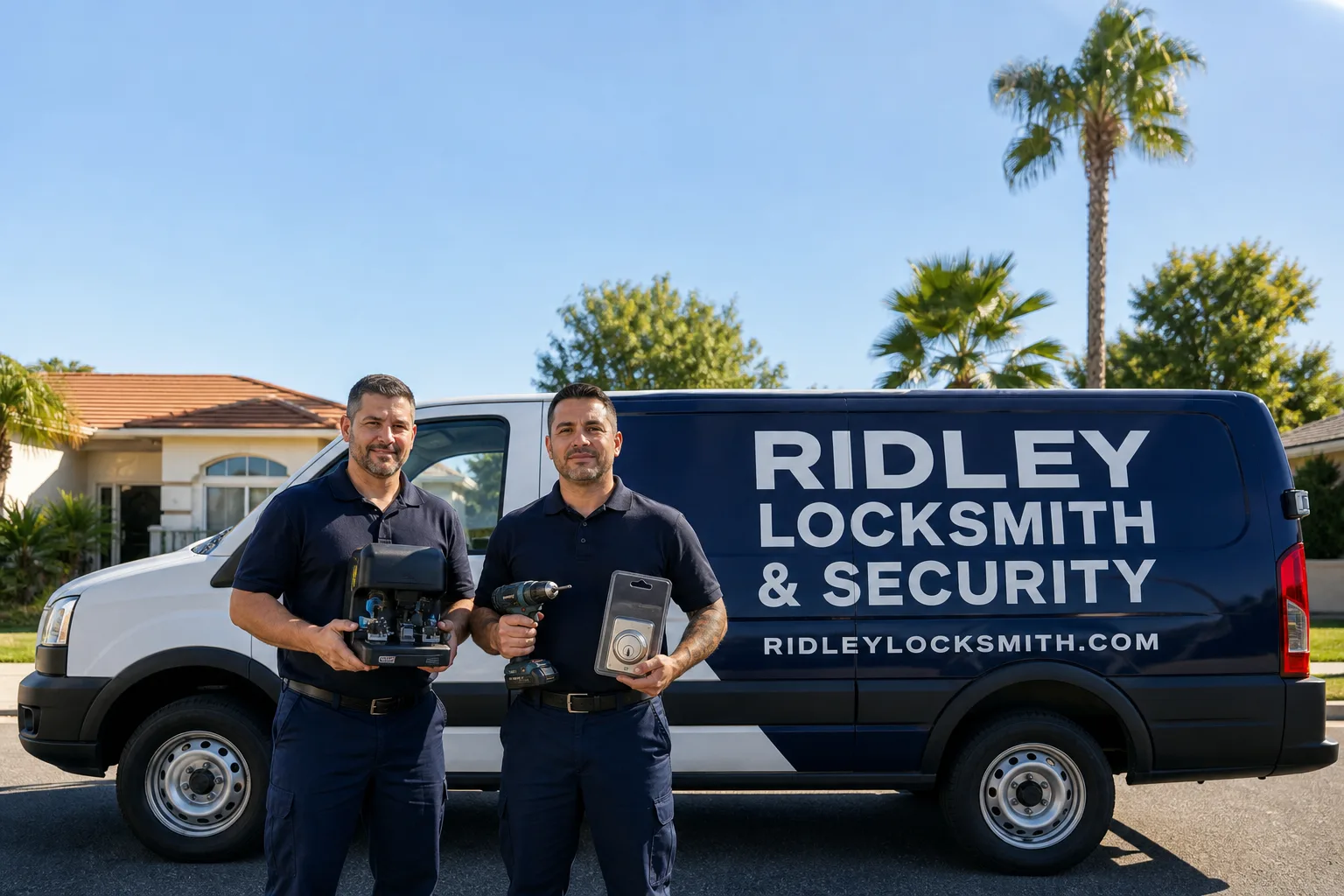
Non-destructive entry first, always - and we re-key Schlage, Kwikset, and Baldwin locks on the spot while you watch
You get a price before we start. It does not change when we arrive. No surprises.
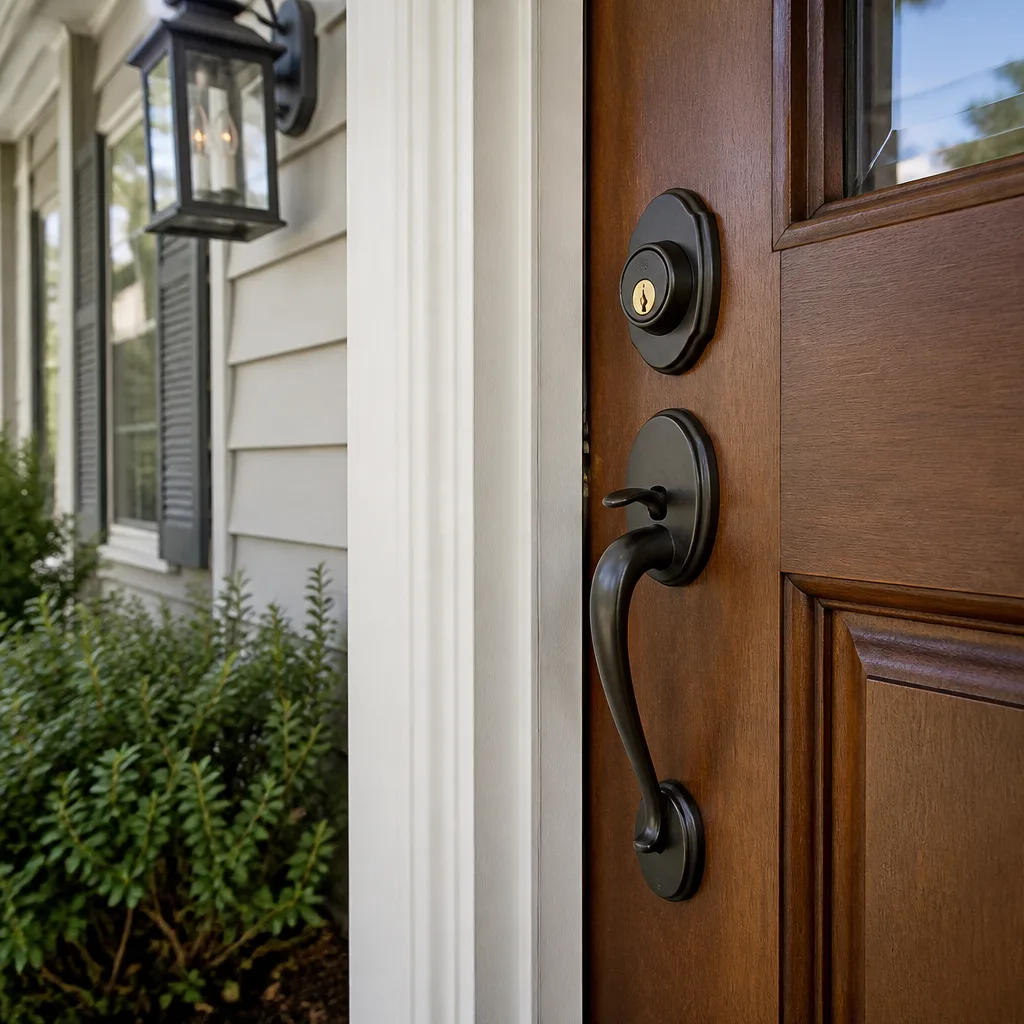
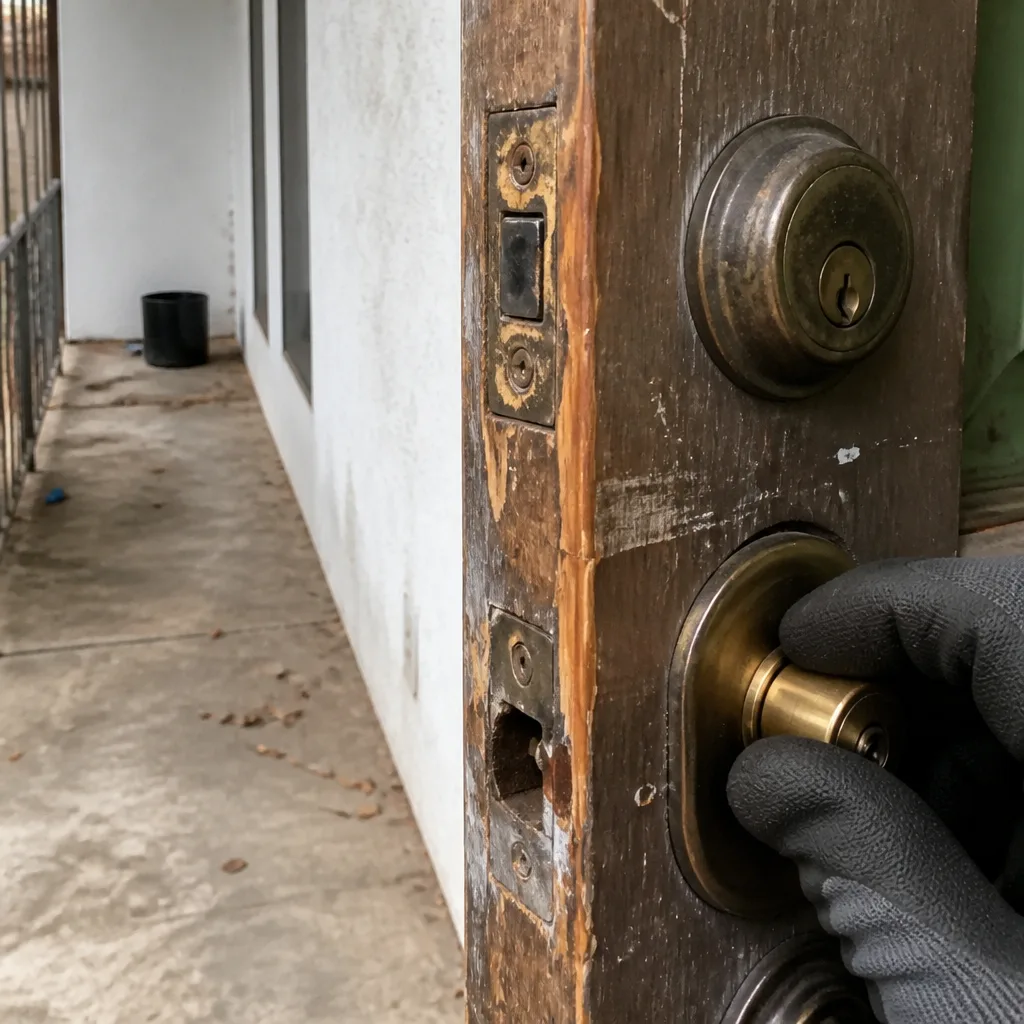 Before
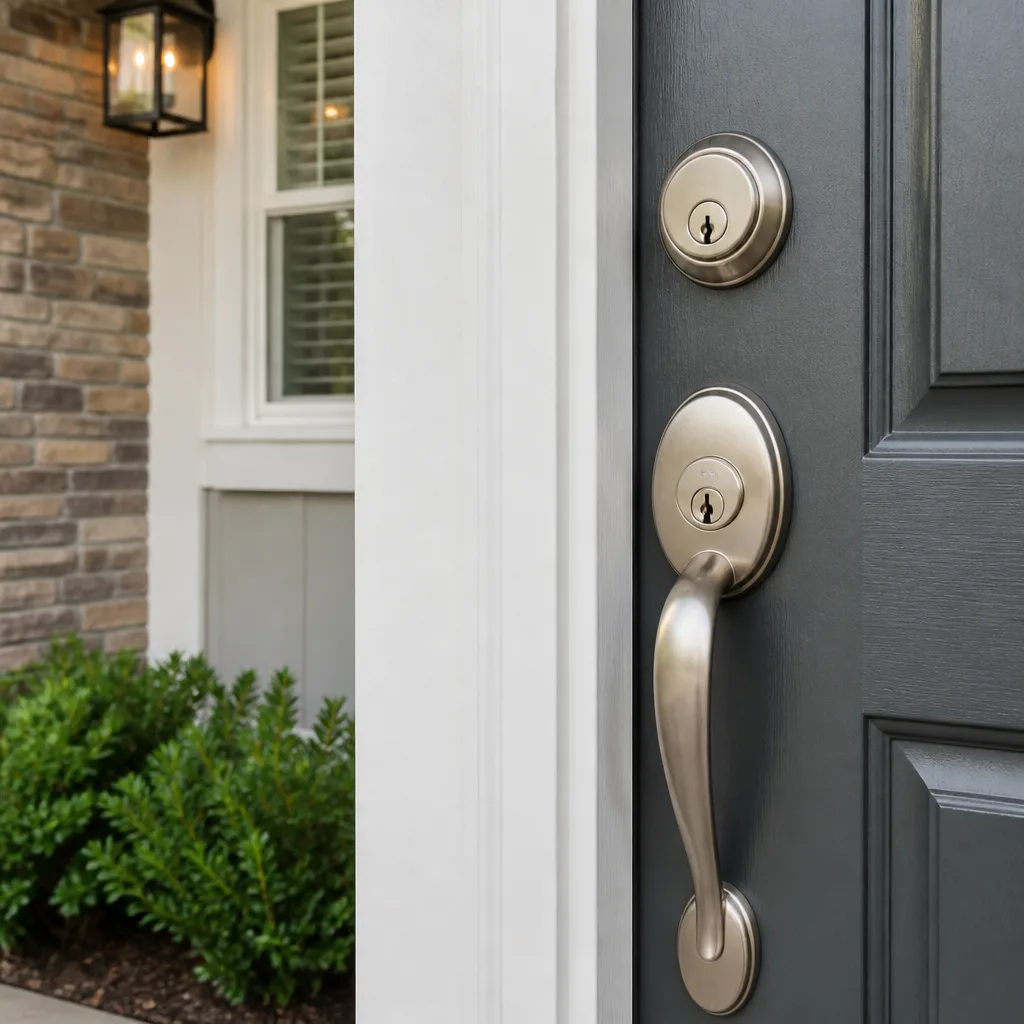
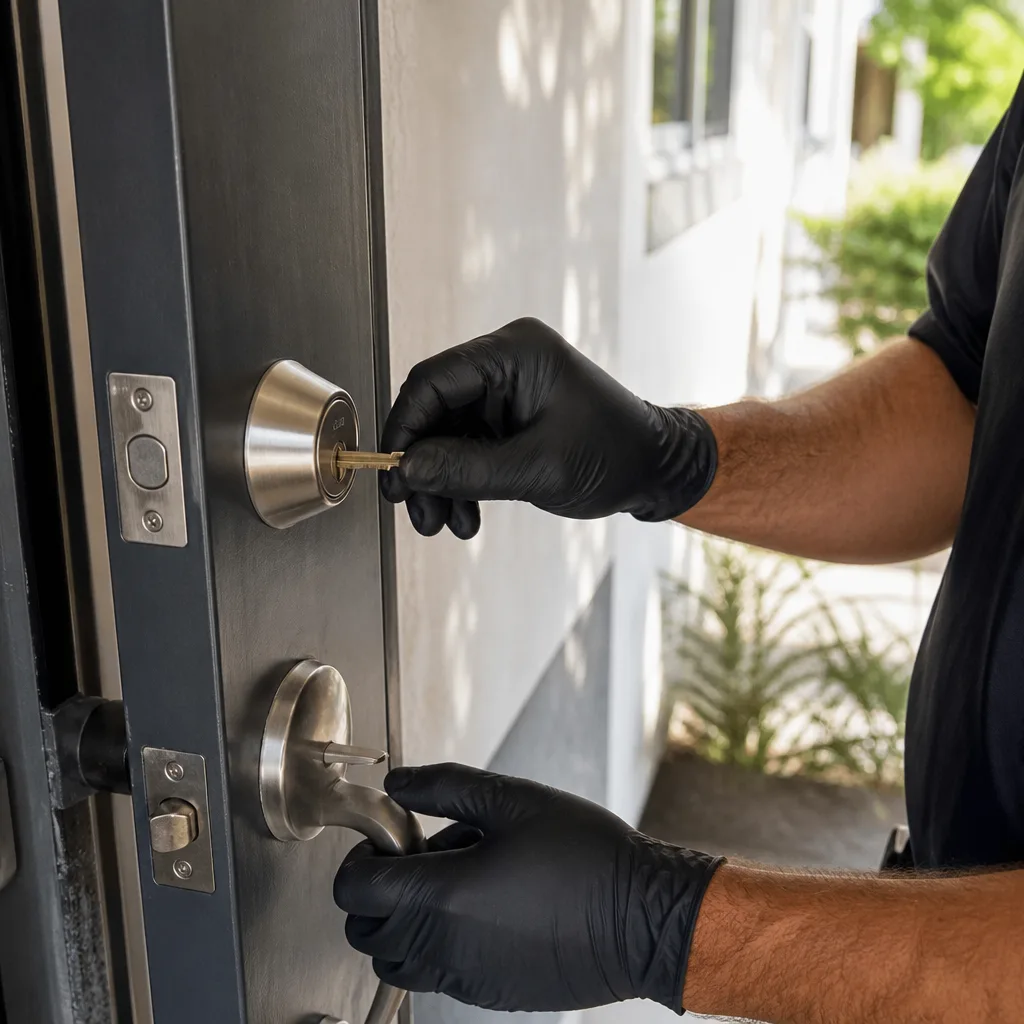 After
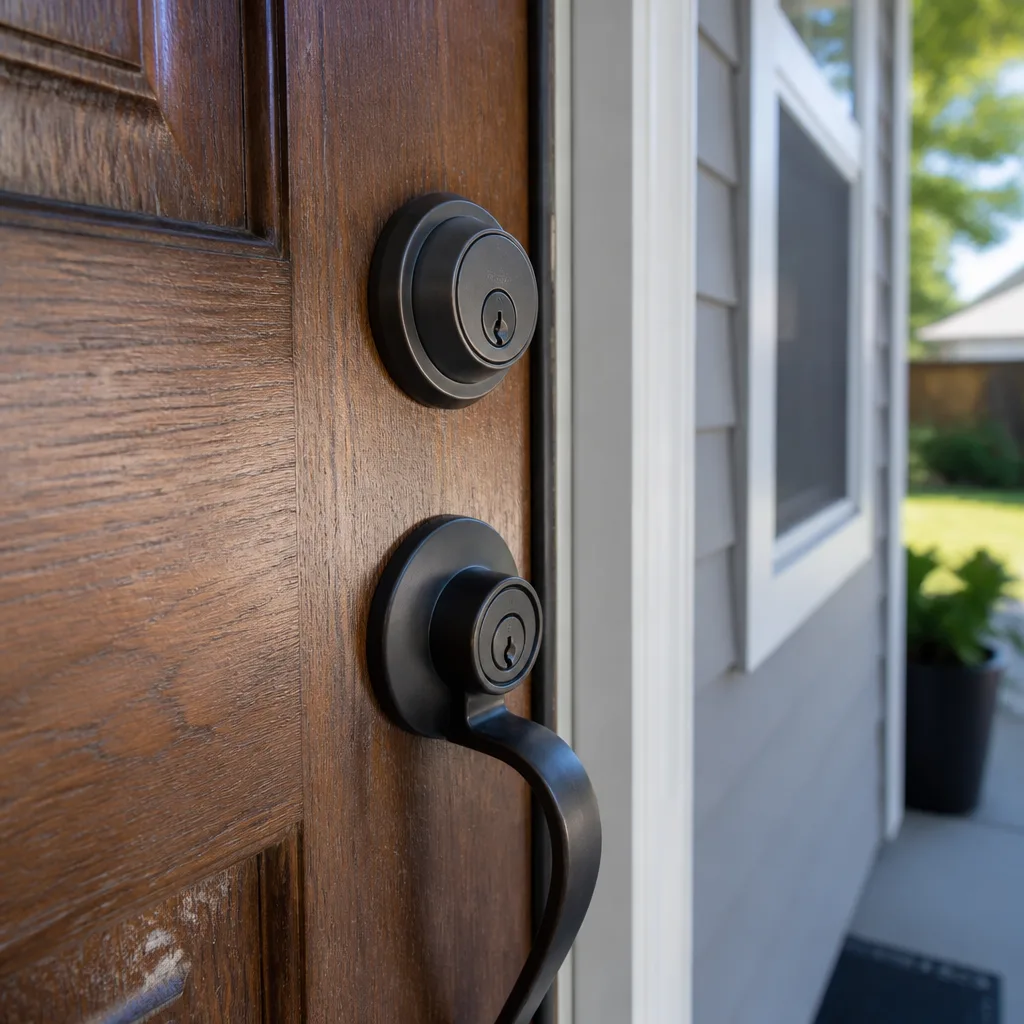
AfterLost the Only Key to a Safe
What’s Happening
When you’ve lost the only key to a safe, you’re locked out of the contents until a locksmith opens it for you. In most cases, a trained technician can either pick the lock mechanism, impressions a new key from the lock itself, or drill the lock as a last resort and replace the cylinder – getting you back in without destroying the safe.
Safe locks are built to resist casual entry, which is the point. That same design means you can’t simply call a hardware store and order a spare. The lock type matters a great deal here: a basic key-operated cam lock on a small fireproof box works differently than a high-security relocker on a gun safe or a hotel-style boltwork safe. What your local Ridley Locksmith & Security team needs to know upfront is the make and model of the safe, whether the lock is a single-key cylinder or a double-bitted keyway, and whether there’s a secondary combination or electronic backup you may have overlooked. That information shapes exactly which method your technician will use and how long the job will take.
Why It Happens
The key was misplaced, not lost for good
This is the most common story we hear. The key lived on a hook, a keychain, or inside a drawer – and it quietly migrated. Before you call, do a deliberate sweep: the original packaging the safe came in, the underside of desk drawers, old keychain clips in coat pockets. Safe manufacturers often ship a second key taped inside the manual. If you’ve never opened that booklet, check it now. If the key genuinely isn’t findable after a thorough search, that’s when you call.
The key was returned with the house and never replaced
If you moved into a home that had a safe already installed, the prior owner may have kept all the keys. This is more common than people expect, especially with safes bolted to floors or built into closets. You’ll know this is your situation if you’ve never personally held a working key for this lock. A locksmith can cut a new key or, depending on the lock type, rekey the cylinder so the prior owner’s key stops working entirely.
The lock cylinder has worn over years of use
Older key-operated safe locks develop wear in the keyway and the pin stacks inside the cylinder. A key that once worked starts sticking, then stops turning, then stops functioning entirely – and sometimes the last working key gets lost right when the lock was already marginal. If your safe is more than ten or fifteen years old and you’ve noticed the key getting stiffer over recent months, worn tumblers are likely part of the picture. A replacement cylinder is usually straightforward once the safe is open.
The lock was re-keyed by a previous technician and the new key was never properly handed off
If you’ve had locksmith work done on this property before – or the safe came from a business or estate – the lock may have been rekeyed at some point and the new key filed away somewhere you’d never think to look. Check any paperwork from the previous locksmith job: a reputable company documents the work and sometimes notes the key code. If you have those records, share them with your technician before the visit.
What to Do Right Now
- Stop forcing it. Inserting a bent paper clip, a knife blade, or a random key into a safe lock can damage the keyway and the pin stacks inside, which complicates what might otherwise be a clean job. Leave the lock alone until a trained technician is in front of it.
- Find the make and model. Look for a label, stamped metal plate, or sticker on the door or the back of the safe. The brand name and model number let your technician arrive with the right tools and a likely key code on file, which can cut the visit time significantly.
- Check for a secondary entry option. Many safes sold in the last fifteen years have an electronic keypad backup or a reset hole on the back panel that manufacturers document in the owner’s manual. A true second-factor entry option beats drilling every time.
- Photograph the safe before anyone works on it. A clear photo of the door, the lock face, and the model label gives the technician a head start and creates a record of the condition before work began.
- Do not attempt to pry or drill the safe yourself. Safe boltwork is designed to defeat exactly that kind of attack. You’re more likely to damage the contents than open the door, and you’ll turn a locksmith job into a safe-replacement job.
How We Fix It
When your local Ridley Locksmith & Security technician arrives, the first thing they do is identify the lock type and assess its condition before touching anything. For most standard key-operated safe locks, the preferred path is impressioning: the technician uses a blank key and a careful marking process to read the lock’s bitting and cut a working key without disassembling anything. That leaves the lock fully intact and the safe operational.
If the lock is pick-friendly, locksport-style picking tools can open the cylinder while preserving it. For high-security cylinders – Medeco and Abloy are common in quality safes – the approach changes because those locks are specifically designed to defeat picking, and a trained technician knows that going in.
Drilling is a last resort, used when the lock is seized or when no non-destructive method is viable. If the cylinder is drilled, it’s replaced before the technician leaves. The whole visit typically runs under two hours for a standard residential safe. Every job under The Garrison Standard starts with a written price before any work begins – that’s the number on the invoice when the job is done, not a revised figure. And every repair is backed by the 365-Day Done Right Promise: if the work isn’t right within a full year, we come back and make it right at no charge.
The service that resolves this is residential locksmith work. Call (956) 275-7388 for a free written estimate – the price for your specific safe and lock type, given before anything starts.
Frequently Asked Questions
In most cases, waiting a day or two doesn’t create new damage to the lock or the safe. The contents are secure, which is actually the safe doing its job. That said, if the safe contains medication, legal documents with a deadline, or a firearm you need access to, there’s a real practical urgency. Call (956) 275-7388 and let the team know what’s inside – that helps them prioritize and come prepared.
Your local Ridley Locksmith & Security team answers the phone 24 hours a day, seven days a week – a live person, not a voicemail. Call (956) 275-7388 and tell them your situation; they’ll give you a real arrival window, not a vague range you have to sit around guessing.
Not typically. A trained technician will always try the least invasive method first: impressioning a new key, picking the cylinder, or using a manufacturer reset procedure if one exists. Drilling is reserved for cases where the lock is seized or damaged beyond other options, and if it comes to that, the cylinder is replaced the same visit so the safe works again when the technician leaves.
The price for your specific job – safe make, lock type, method required – is put in writing before any work begins. That’s not a policy we mention in the fine print; it’s the standing offer on every single Ridley job. The number you see before work starts is the number on the invoice. Call (956) 275-7388 for a free written estimate and a straight answer on what your job will cost.
Get It Fixed
Call (956) 275-7388 any time – a live person answers around the clock. Your local Ridley Locksmith & Security team will give you a written price before any work starts and back the repair with the 365-Day Done Right Promise. You can also book online if you prefer.
Written by Drew Kowalski, Owner at Ridley Locksmith & Security, part of the Garrison Partners family since 2007.
What Our Customers Say
"Replaced a broken handle set and matched the finish. No upsell."
- Leon W."Upgraded to grade 1 deadbolts and reinforced the door frames with strike plates and longer screws. Feels solid."
- Nate P."Master key system for our rental units. Clean, organized, and fairly priced."
- Bruce A.