
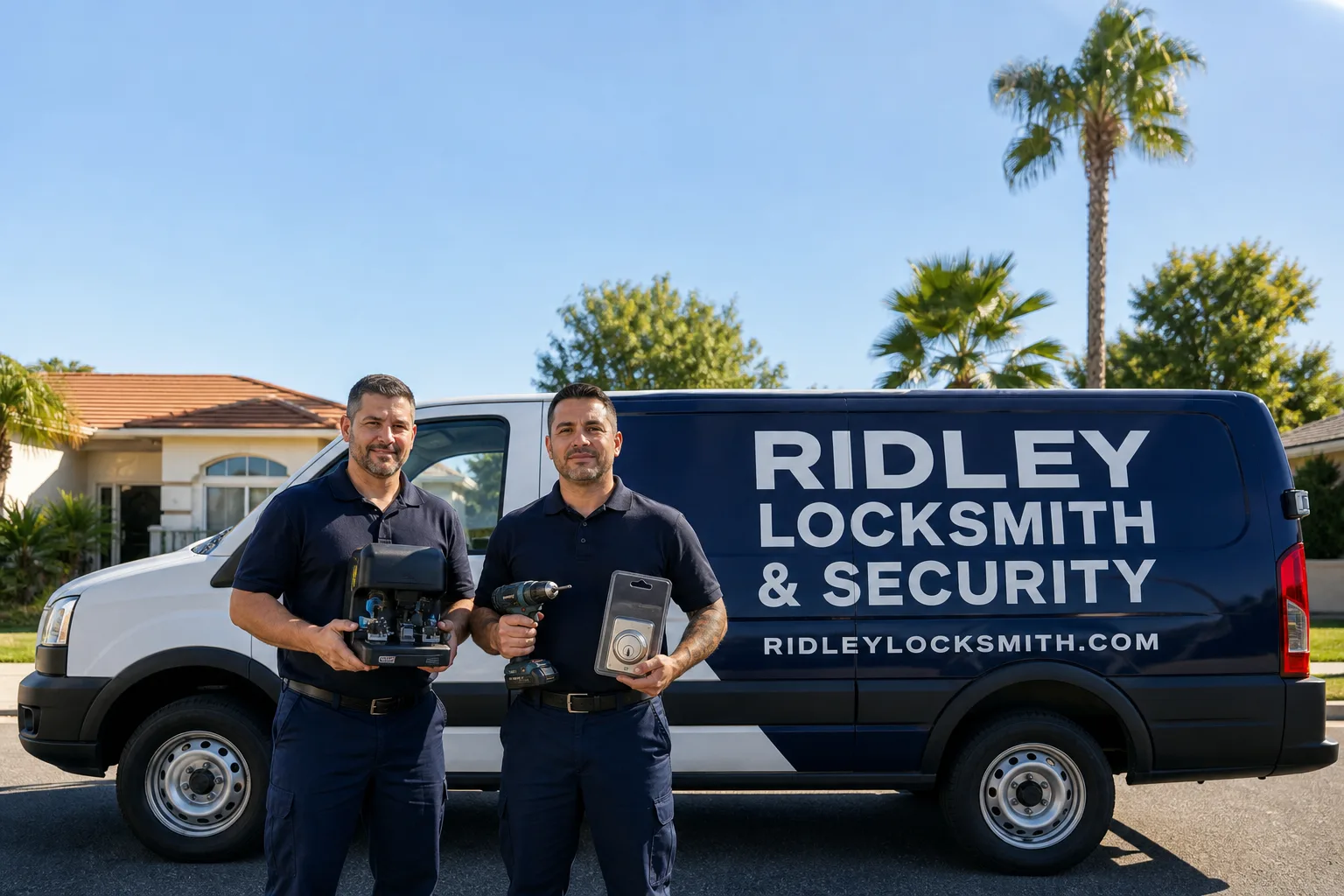
Non-destructive entry first, always - and we re-key Schlage, Kwikset, and Baldwin locks on the spot while you watch
You get a price before we start. It does not change when we arrive. No surprises.
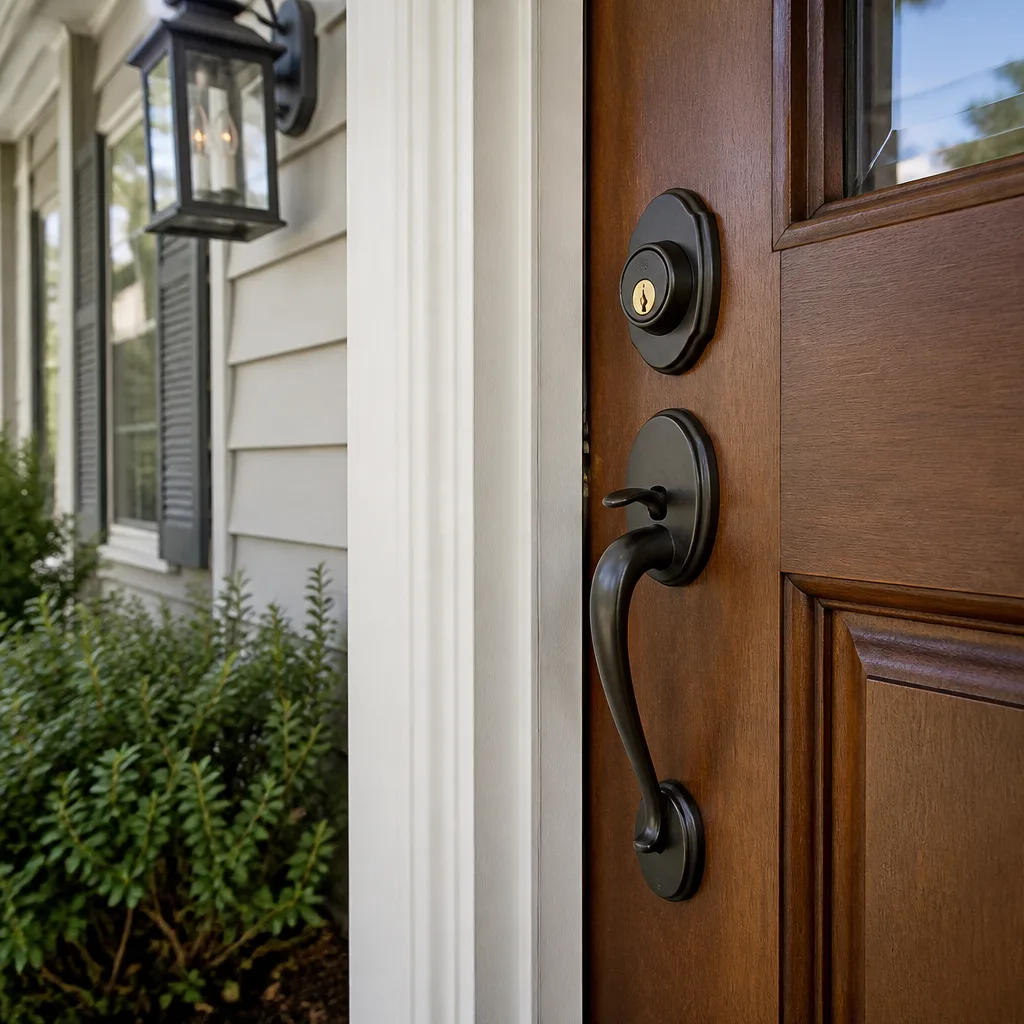
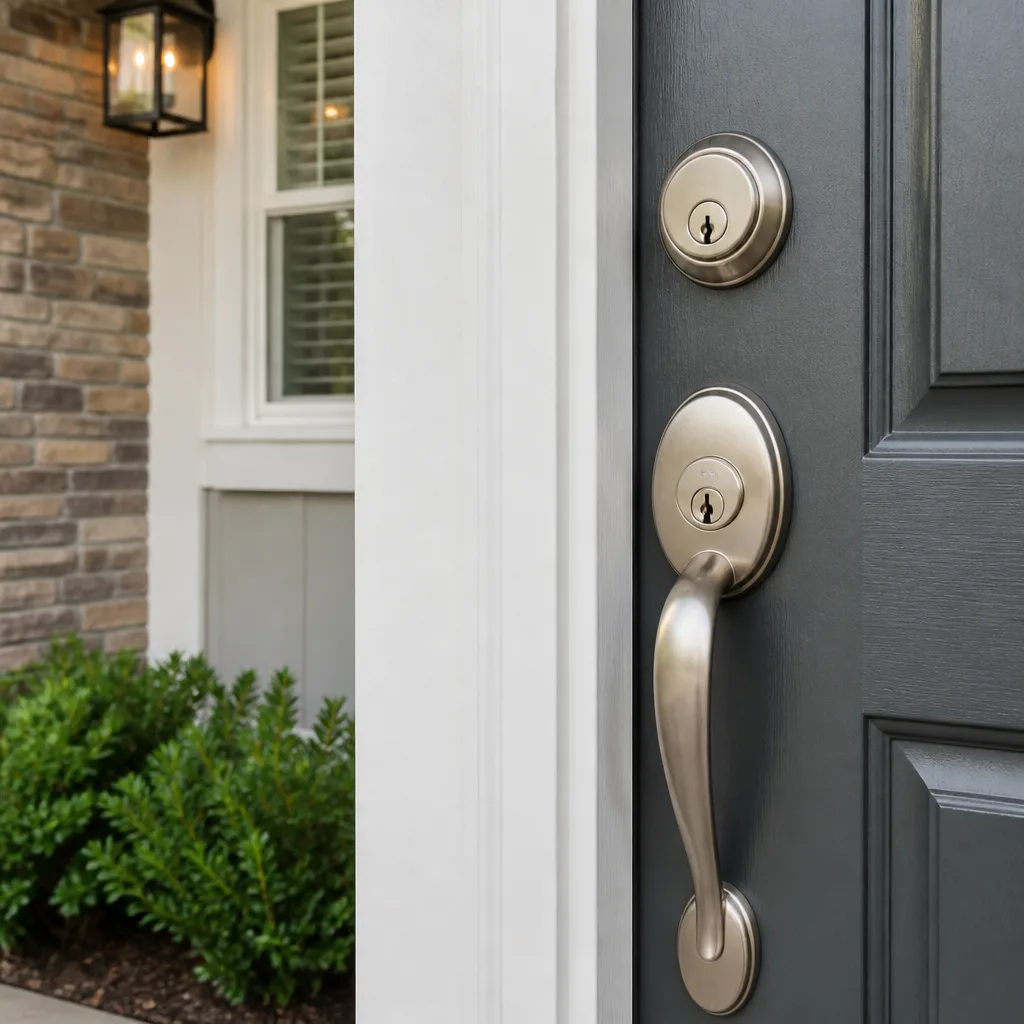
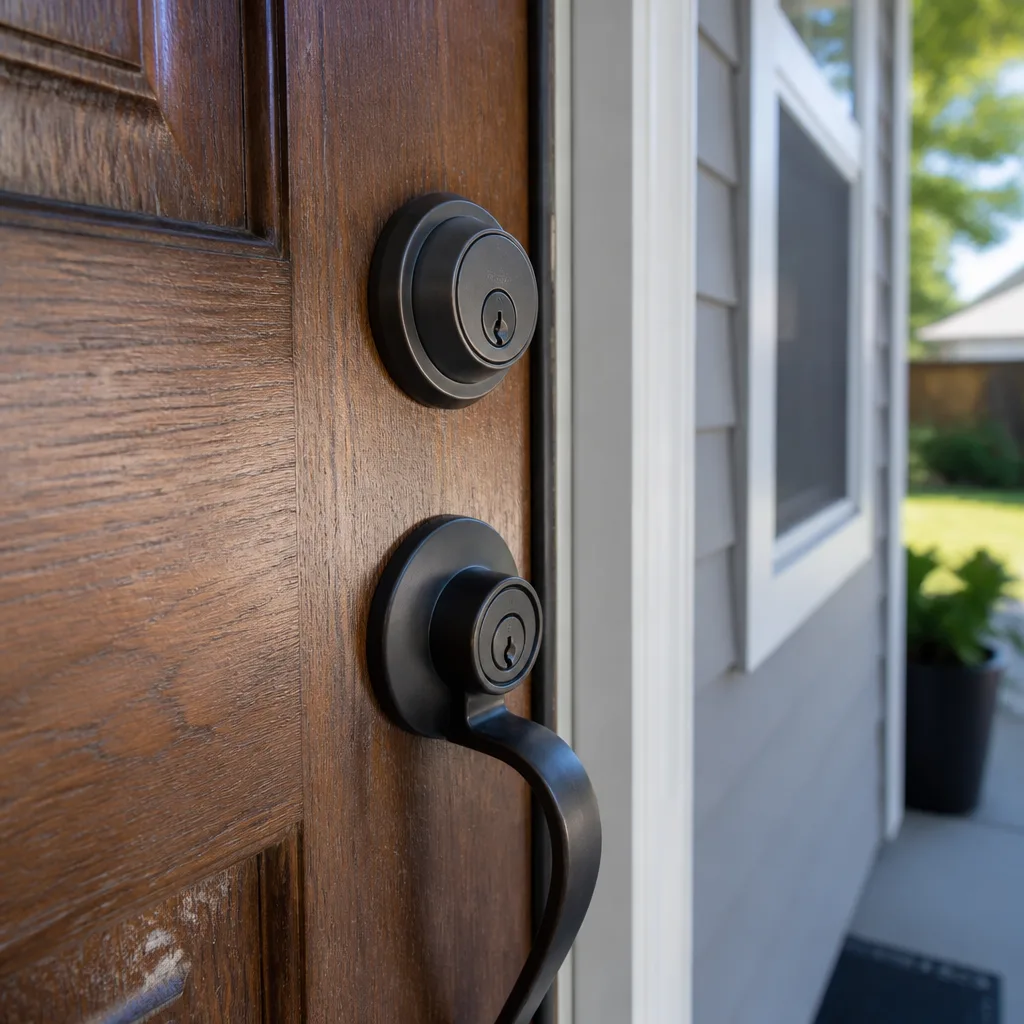
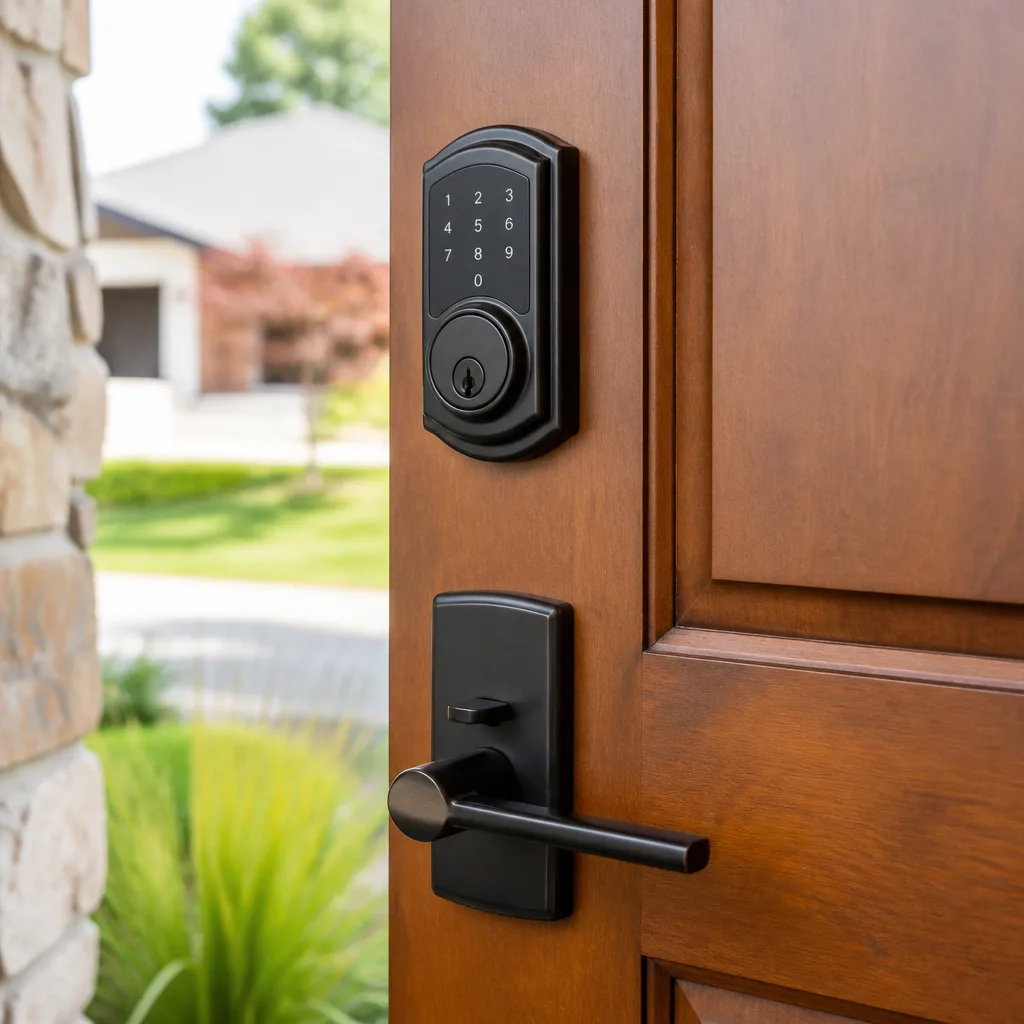
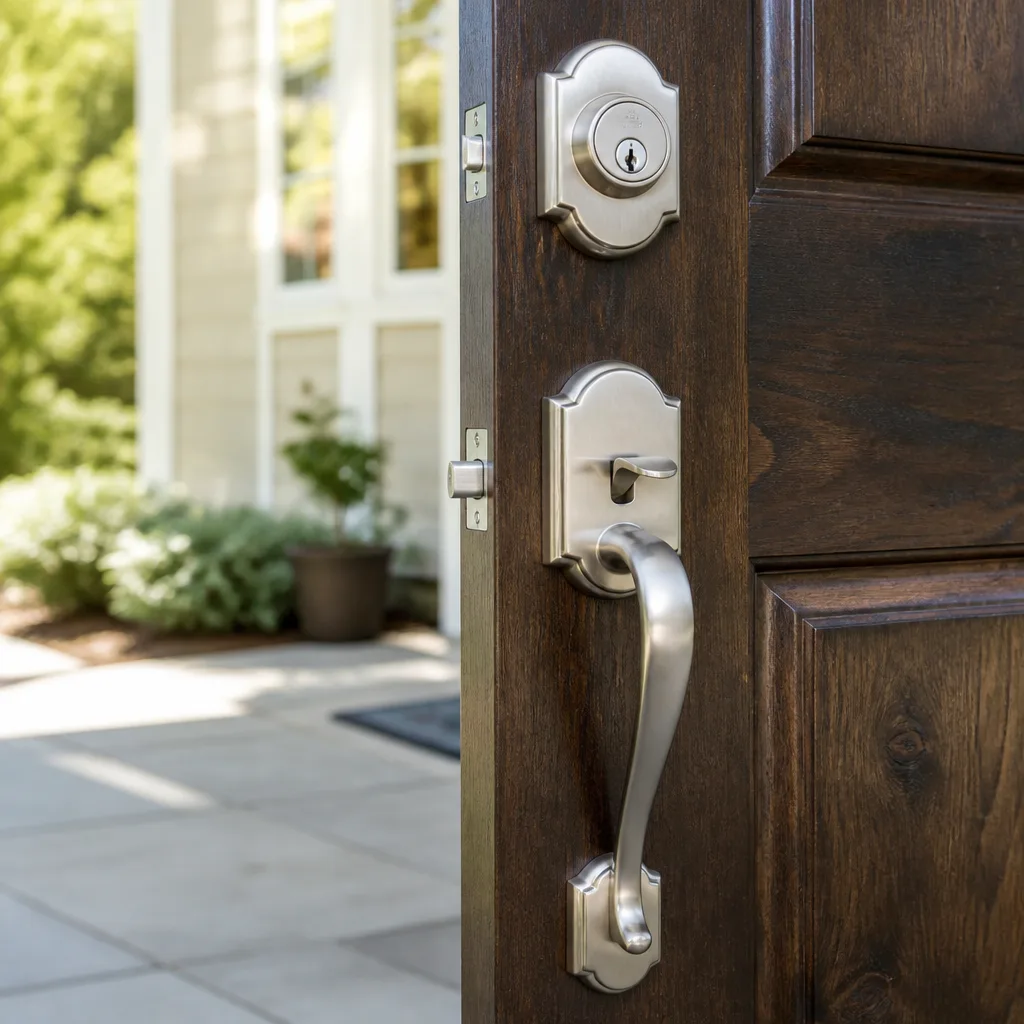
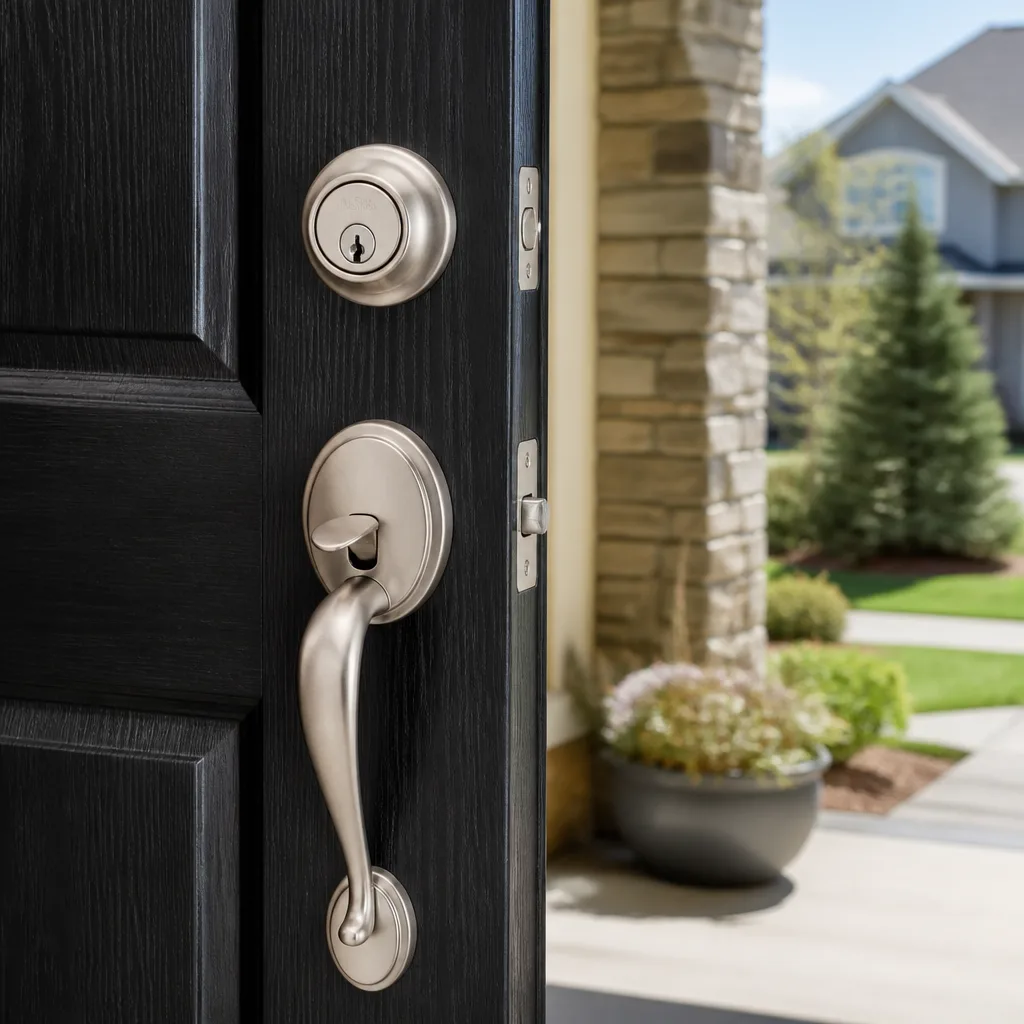
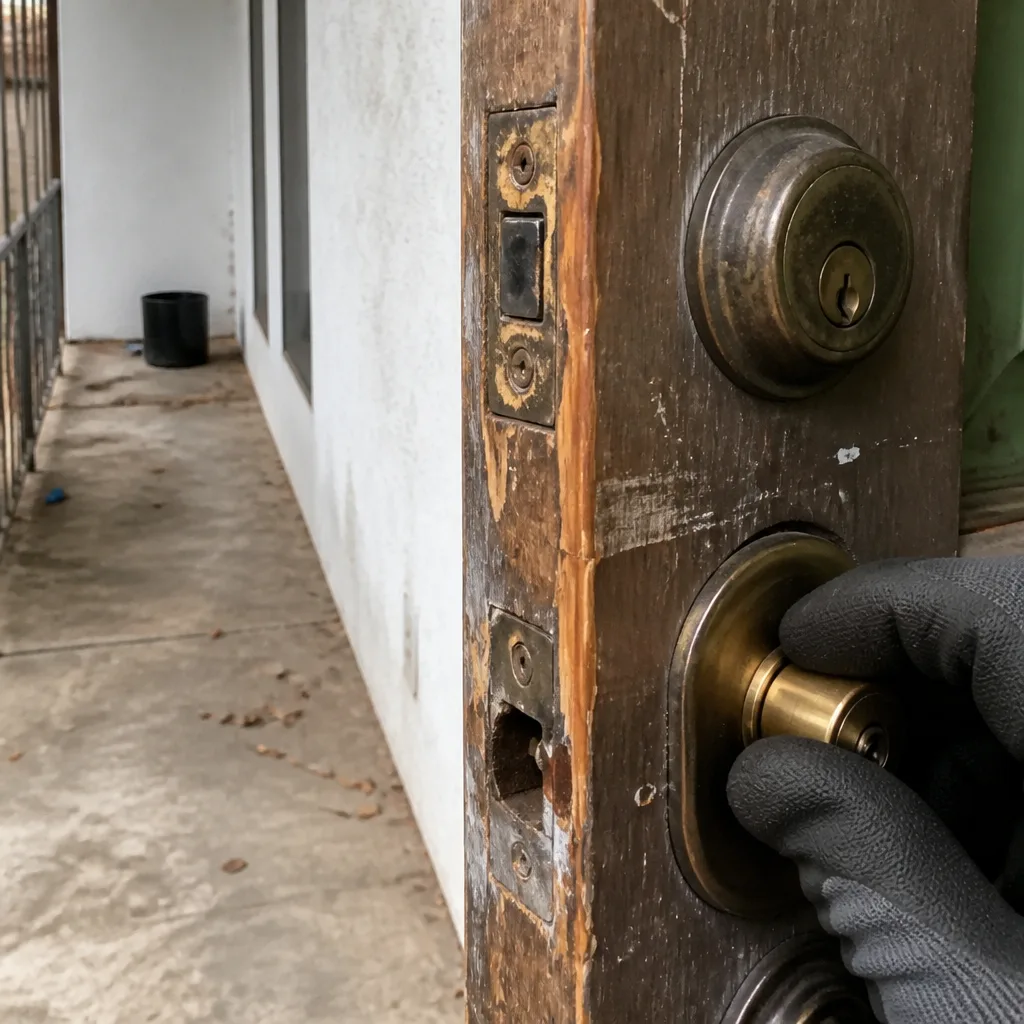 Before
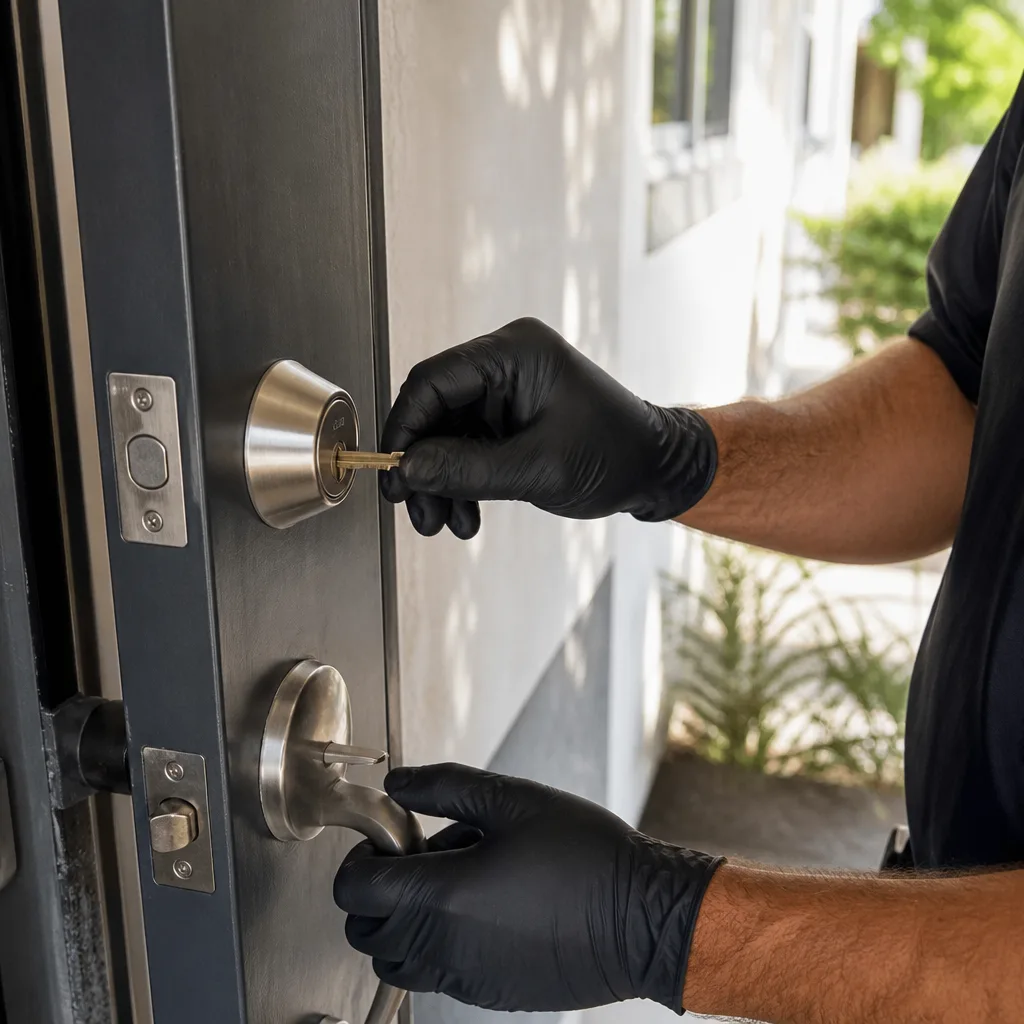 After
AfterDoor Lock Feels Loose or Wobbly
A loose or wobbly door lock almost always means one of three things: the lock’s mounting screws have backed out, the lock chassis itself has worn or cracked internally, or the door has shifted enough that the hardware no longer sits square against the face of the door. Any of these can be diagnosed on a first visit, and most are fixed the same day.
That said, “wobbly” covers a range. A slight rattle when you push on the knob is not the same as a handle that rotates a full quarter-turn without catching. The gap matters because it tells a technician whether you are dealing with a fastener problem, a mechanical failure inside the lock body, or a door alignment issue that no amount of tightening will solve. Getting the diagnosis right the first time is the whole point of sending a trained set of eyes before any parts are ordered or any work begins.
Why It Happens
Loose Mounting Screws
This is the most common cause, and the most forgiving. Every lockset – whether it’s a Schlage, Kwikset, Yale, or Baldwin – is held to the door by through-bolts that run from the interior rose plate to the exterior. Vibration from heavy traffic, seasonal wood movement, and years of daily use all work those screws loose over time. You can usually confirm this is the problem if you grip the interior and exterior knobs simultaneously and feel them rock independently of each other, almost like the two halves have lost their connection.
Worn or Cracked Lock Chassis
Inside every knob or lever lockset sits a chassis – a metal housing that transfers your hand’s rotation into the latch mechanism. After enough years of use, that chassis develops play at the pivot points, or the retaining clips that hold the spindle in place snap. When this happens, the knob wobbles even after you tighten the mounting screws, because the problem is inside the body, not at the face of the door. If tightening makes no difference, a worn chassis is the likely culprit.
Door Frame or Slab Movement
Wood expands and contracts with humidity. Over time, a door slab can warp or a frame can rack slightly, pulling the lock body out of its original alignment. When this happens, the lock hardware is technically fine but the door no longer provides a stable platform for it to sit against, so everything feels sloppy. A sign of this cause: the door itself doesn’t hang square, or you notice the latch doesn’t fully retract when you pull the handle before turning it.
Deadbolt Thumb-Turn or Cylinder Failure
On a deadbolt, wobble in the thumb-turn or in the key cylinder is a separate problem from a loose knob below it. The cylinder is held in place by a setscrew on the interior side; if that screw backs out, the entire cylinder can rotate or wobble in its housing, which is both a nuisance and a security concern since a rotating cylinder is easier to manipulate. You’ll recognize this one because the wobble is specifically at the key slot, not at the knob or lever below.
What to Do Right Now
- Stop forcing it. If you have to muscle the handle to latch the door, stop. Forcing a failing mechanism accelerates internal damage and can leave you locked in or out before a technician arrives.
- Check whether the door closes and latches without turning the handle. If the latch is still catching on its own, the lock is still doing its primary job. If the door no longer stays closed on its own, treat this as urgent and call now.
- Take a short video on your phone. Grip the interior and exterior hardware and demonstrate the wobble on camera. It takes ten seconds and gives the technician useful information before they arrive, so they can bring the right parts.
- Do not attempt to disassemble a deadbolt or lock body yourself if you aren’t certain which type you have. Some lock bodies are held under spring tension, and removing the wrong pin or clip without knowing the reassembly sequence can leave you with a door that won’t open from inside. This is a call-a-professional situation, not a search-a-tutorial one.
- Note when the wobble started and whether anything changed around that time – a hard slam, a recent temperature swing, a new door mat that’s raising the door on the sweep. Context like that shortens the diagnostic conversation and gets the job done faster.
How We Fix It
When your local Ridley Locksmith & Security team arrives, the first thing the technician does is a hands-on assessment of the full door assembly – the lock body, the mounting hardware, the door slab, and the frame. Before any work starts, you get a written price. That’s not a formality; it’s The Garrison Standard on every single job. No estimates that shift when the invoice comes out.
If the fix is loose fasteners, the technician re-torques the through-bolts and checks the set screws on both the knob and the deadbolt cylinder. If the chassis is worn, the lock body is replaced. Where the existing hardware is in good shape but the internal pins have been compromised, a rekey may be combined with the repair to restore both function and security at the same time.
Most loose-lock calls wrap up in under an hour. The work is covered by the 365-Day Done Right Promise: written guarantee, full year, free return visit if anything isn’t right. That document goes with you before the technician leaves the site.
Frequently Asked Questions
Yes, depending on the cause. A deadbolt cylinder that rotates in its housing is a meaningful vulnerability because it can be manipulated more easily than a properly secured one. A loose knob on a passage door is a lower-risk nuisance, but any lock operating outside its design tolerances is doing less than it should. Don’t assume the door is secure just because the key still turns. Call (956) 275-7388 to get it assessed.
It depends on which lock is affected and how far gone the wobble is. A slightly loose interior knob on a bedroom door can usually wait a day or two. A wobbly front-door deadbolt, a loose cylinder on an exterior lock, or a handle that’s no longer holding the door closed are all situations where waiting increases both the security risk and the chance of a failure that leaves the door stuck open or stuck shut. If you’re unsure, call (956) 275-7388 – a live person answers around the clock, and they can help you gauge the urgency before anyone is dispatched.
Your local Ridley Locksmith & Security team handles residential locksmith calls on a same-day basis when the schedule allows. A live person answers at (956) 275-7388 every hour of every day, including weekends, and can tell you what availability looks like right now. Call with your address and a brief description of the wobble and they’ll get you on the schedule.
The price is confirmed in writing by the technician before any work starts – that’s a firm commitment, not a rough estimate. The number on your written quote is the number on your invoice. There is no call-out fee added at the door, and there are no line items that appear after the fact. What you approved in writing is what you pay. That’s the written guarantee side of how Ridley operates, and it applies to every job.
Get It Fixed
A wobbly lock doesn’t get tighter on its own. Call (956) 275-7388 – a live person answers 24 hours a day, 7 days a week – or book online and your local Ridley Locksmith & Security team will assess it, give you a written price before anything starts, and back the work for a full year.
Written by Drew Kowalski, Owner at Ridley Locksmith & Security, part of the Garrison Partners family since 2007.
What Our Customers Say
"Rekey on a small office building, five doors. Done in under an hour and the keys are labeled."
- Hugo M."Replaced a broken handle set and matched the finish. No upsell."
- Leon W."Upgraded to grade 1 deadbolts and reinforced the door frames with strike plates and longer screws. Feels solid."
- Nate P.