
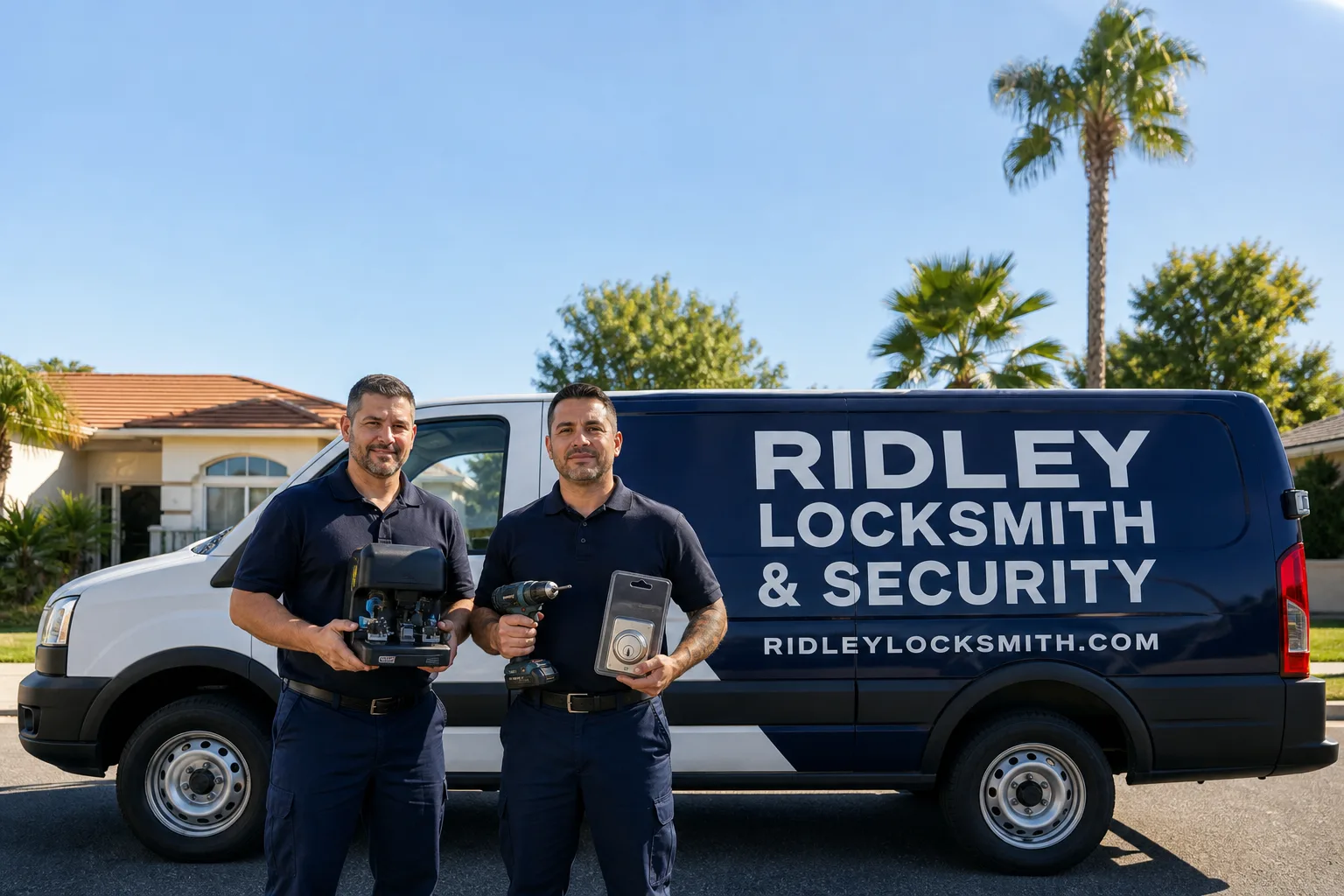
Non-destructive entry first, always - and we re-key Schlage, Kwikset, and Baldwin locks on the spot while you watch
You get a price before we start. It does not change when we arrive. No surprises.
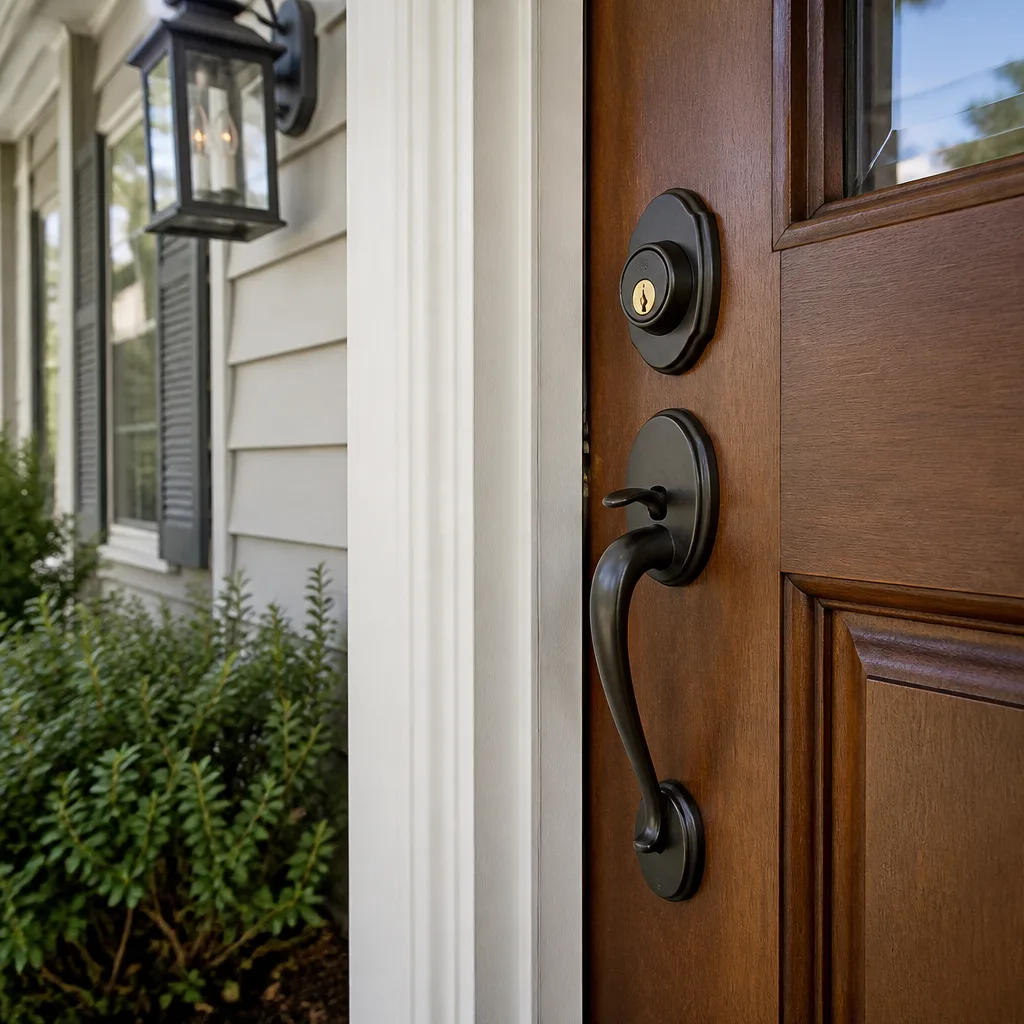
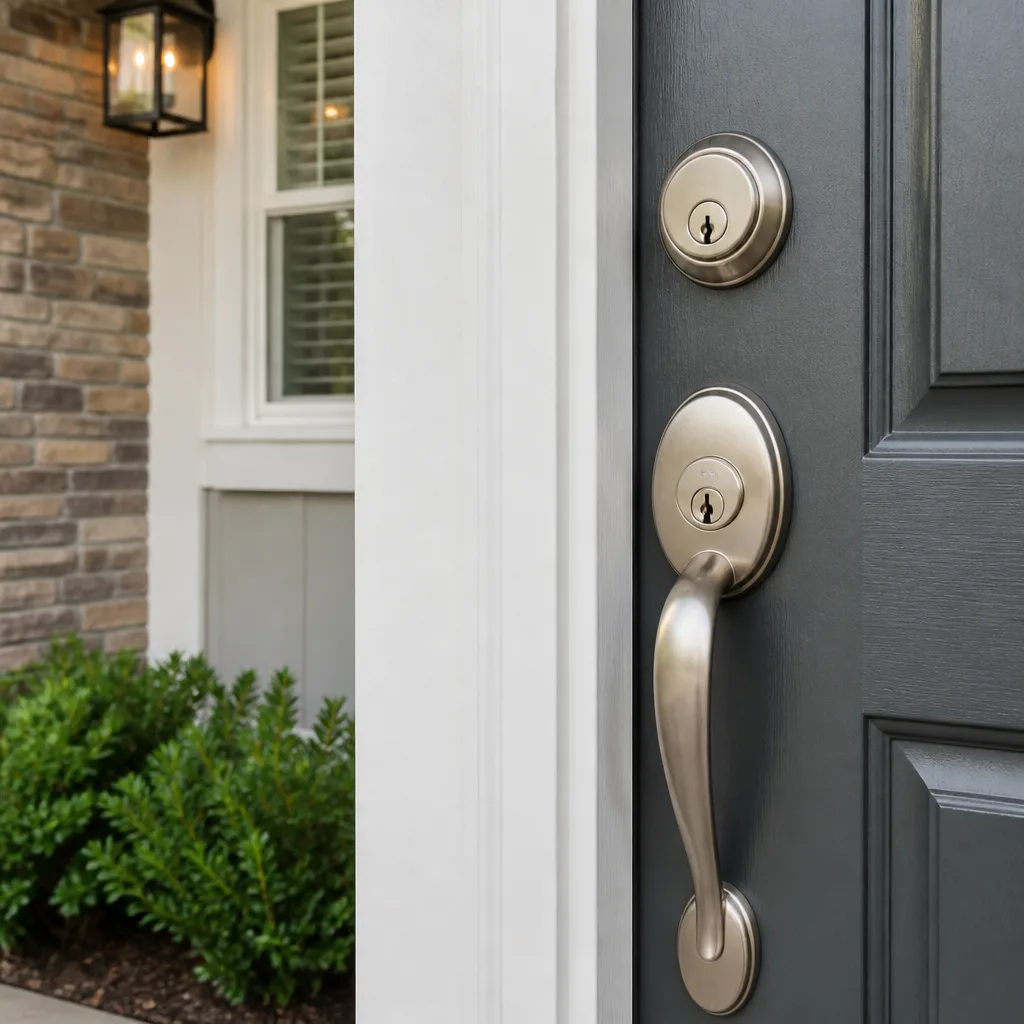
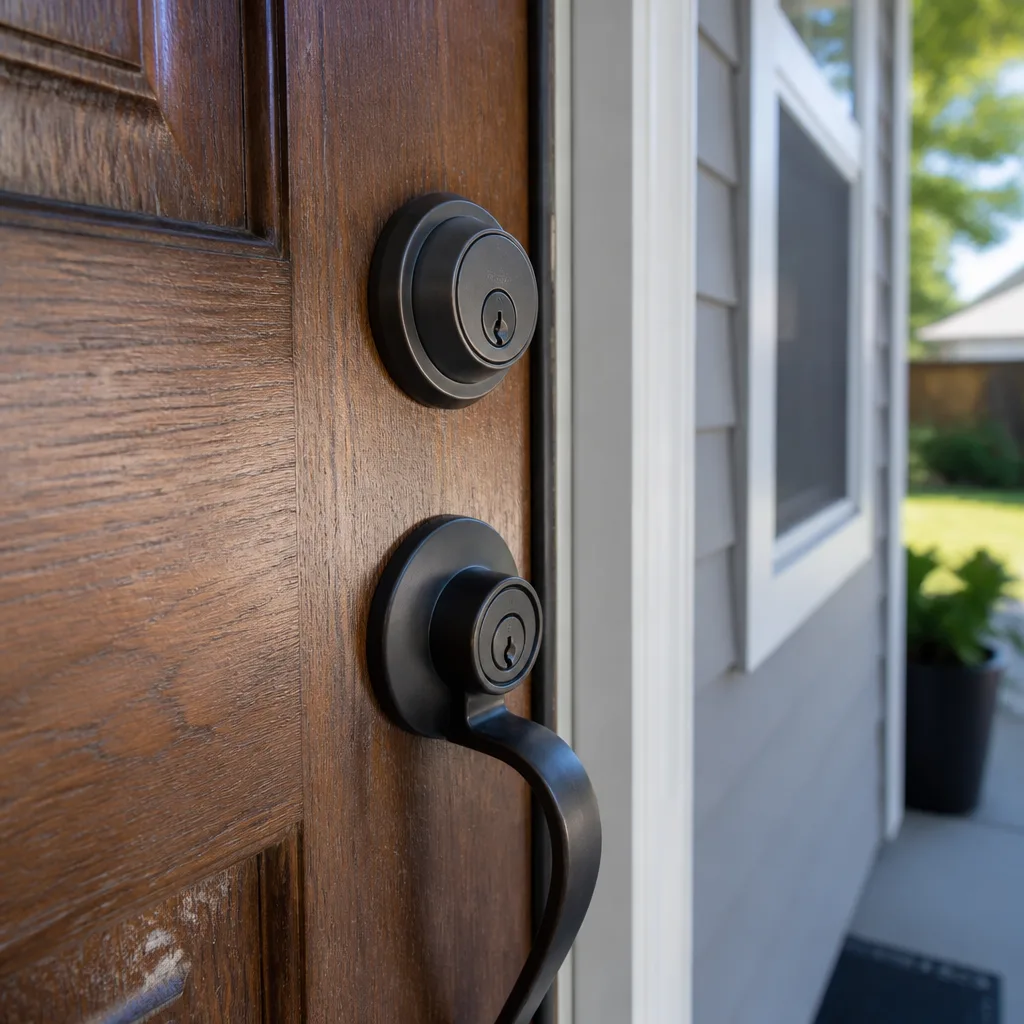
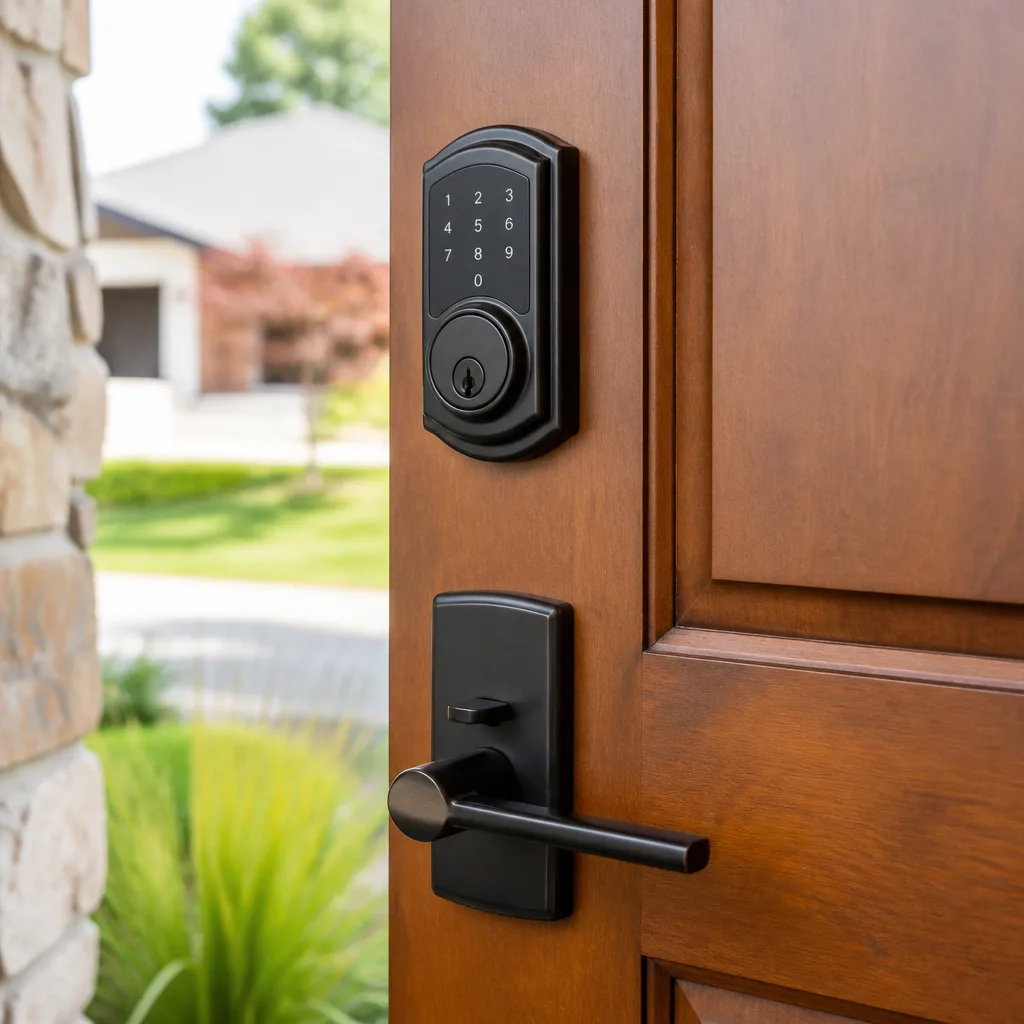
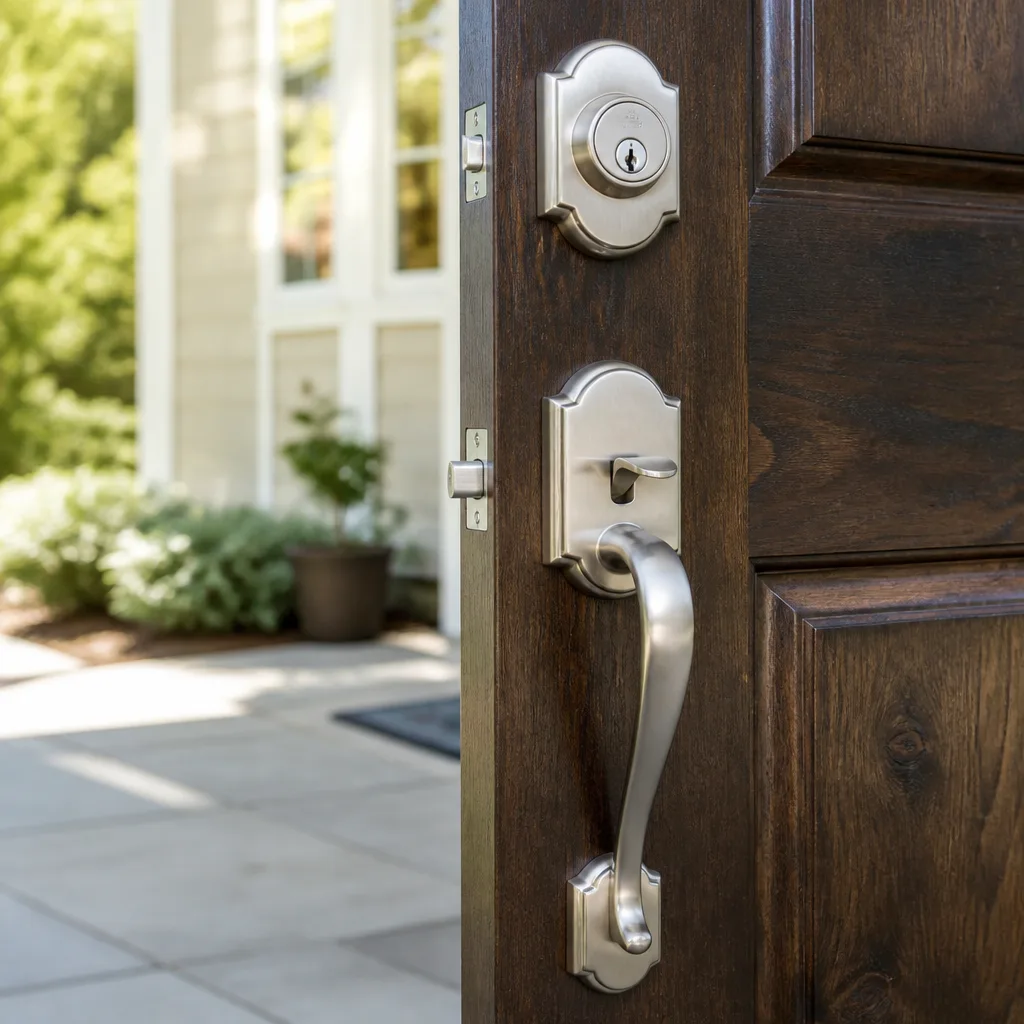
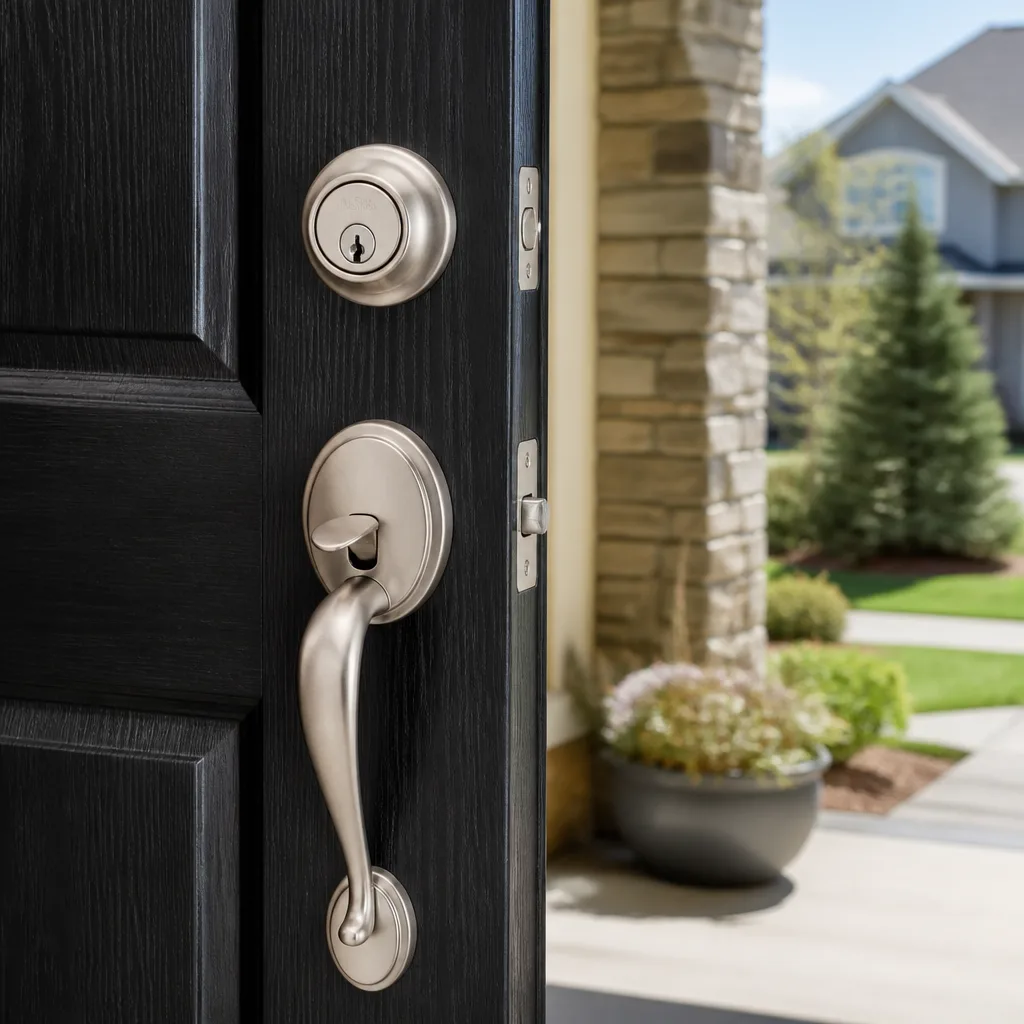
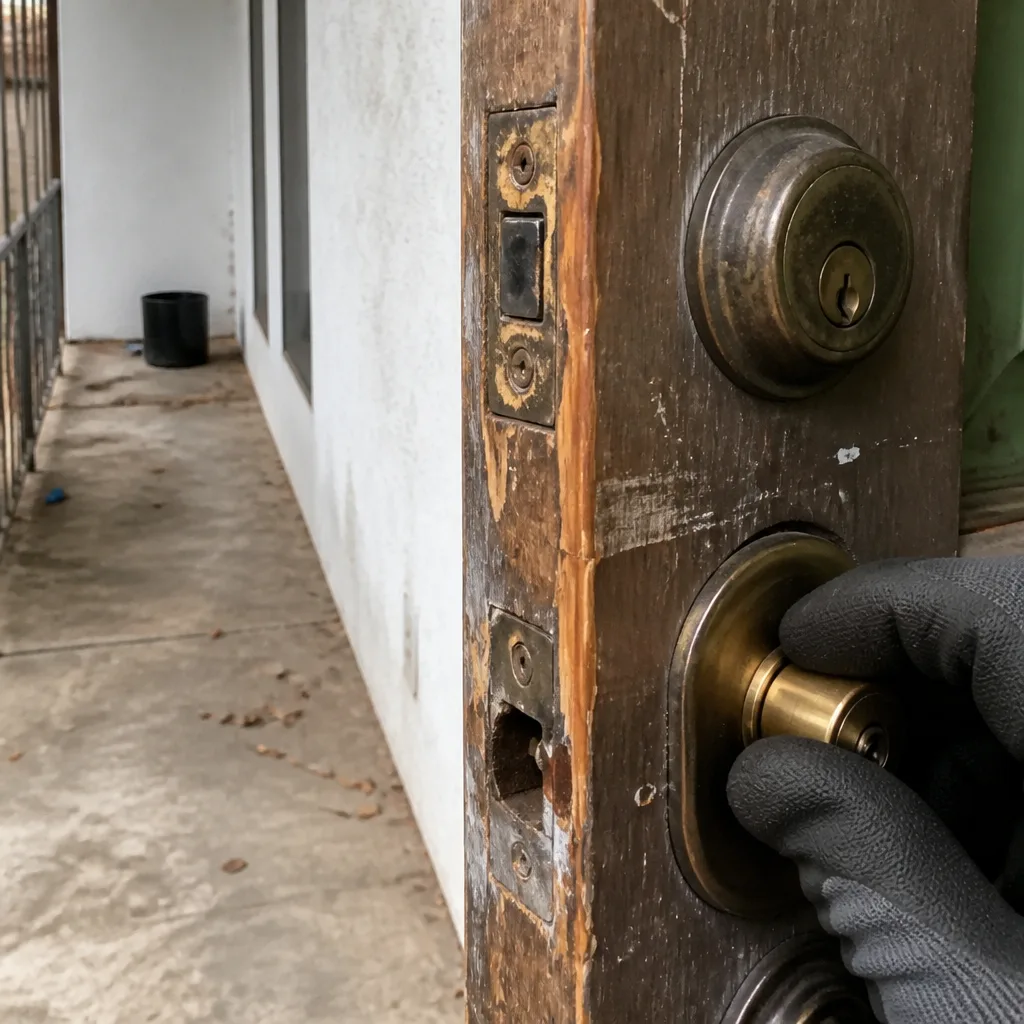 Before
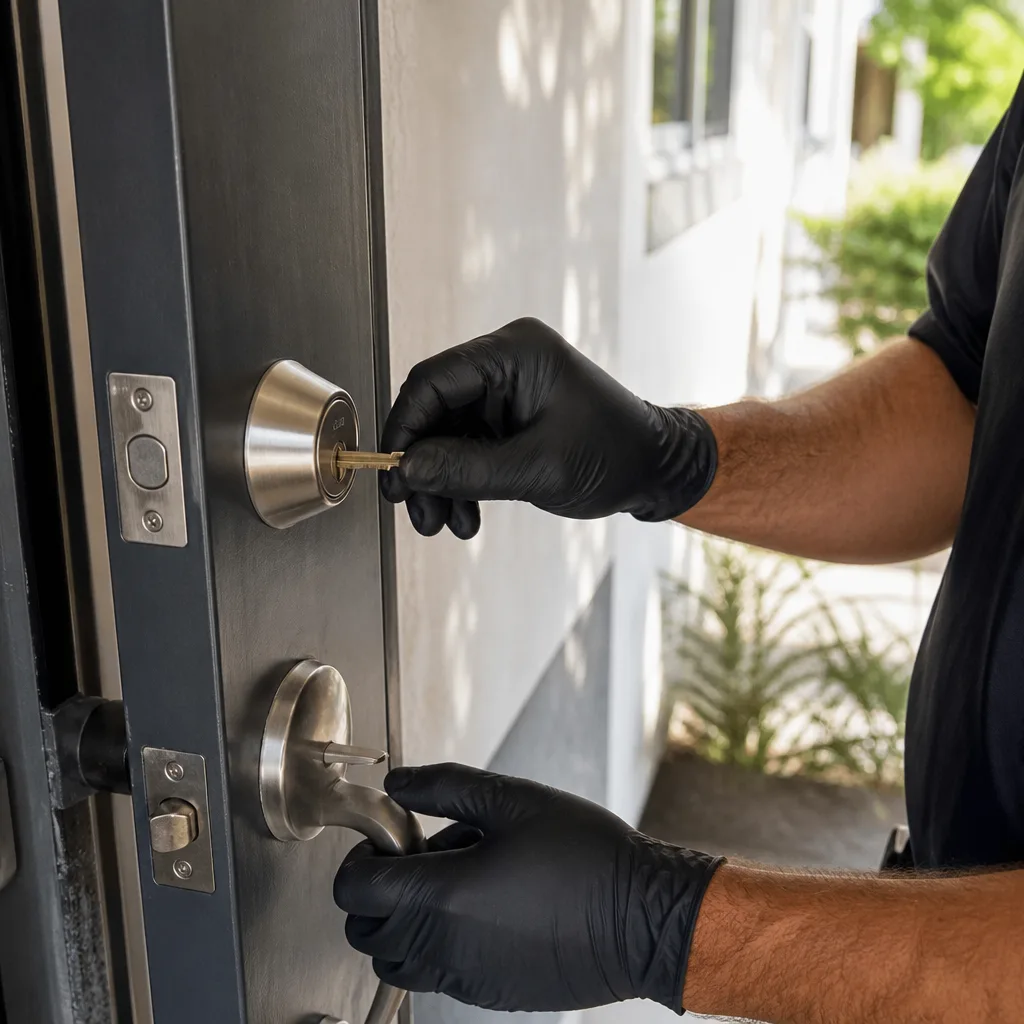 After
AfterDeadbolt Won’t Line Up with the Frame
A deadbolt that won’t seat into the strike plate is almost always caused by the door shifting in its frame – through seasonal wood movement, hinge wear, or settling of the structure itself. The bolt is fine. The lock is fine. The geometry is off. A residential locksmith can diagnose the cause in a few minutes and fix most cases the same visit.
When a deadbolt misses the strike plate, even by a few millimeters, the bolt can’t travel its full length into the frame. That means the lock is either partially engaged or not engaged at all – and a door that looks locked but isn’t is a security problem, not just an inconvenience. The fix depends on what’s causing the misalignment, which is why diagnosis comes first.
Why It Happens
Seasonal Wood Movement
Wood doors and wood frames expand when humidity rises and contract when the air dries out. In many climates this produces a predictable seasonal pattern: the deadbolt binds in summer and clears up in winter, or vice versa. If your deadbolt lined up perfectly six months ago but doesn’t now, and the rest of the door feels slightly tighter or looser than usual, seasonal movement is the most likely cause. You may also notice the door itself rubbing at the top or bottom of the frame at the same time.
Sagging or Loose Hinges
A door that sags at the top corner opposite the hinges will pull the deadbolt bolt upward and outward relative to the strike plate hole. The tell is visual: stand back and look at the gap around the door. If it’s wider at the top on the latch side and narrower at the bottom, the hinges are letting the door drop. Loose hinge screws are a common culprit – the screw holes strip out over time and the door slowly migrates. This is one of the more gradual causes, which is why homeowners often don’t notice until the deadbolt stops latching entirely.
Foundation or Structural Settlement
Houses move. Footings settle, floor joists compress, and over years the rough opening that a door frame sits inside can rack slightly out of square. When that happens, the door frame tilts relative to the door and the strike plate ends up in a different position than it was when the lock was installed. Unlike seasonal movement, structural settlement is permanent – the bolt won’t start working again next season. Signs include sticking at multiple points around the door, visible gaps that are wider at one corner than the other, and the same problem appearing on other interior doors in the house.
Strike Plate or Hardware Shift
The strike plate itself can work loose over time, especially if the original installation used short screws that don’t reach the structural framing behind the door casing. When a strike plate shifts even slightly, the bolt hole moves with it. You can often see this by looking closely at the strike plate – if the screw holes show wear marks, the paint or finish around them is cracked, or the plate sits visibly crooked, the hardware has moved rather than the door.
What to Do Right Now
- Stop forcing the bolt. Repeatedly driving a misaligned deadbolt against the strike plate stresses the lock mechanism and can damage the bolt itself. If it won’t seat cleanly, leave it retracted until the alignment is corrected.
- Secure the door another way for now. Use a chain latch, a door bar, or stay home until a technician arrives. A deadbolt that won’t engage is not providing the security you think it is.
- Look at the strike plate and take a photo. Note whether the bolt is hitting high, low, or to one side of the plate opening. That information cuts diagnostic time significantly when the technician arrives.
- Check the hinge screws by hand. Open the door, hold it steady, and try to wiggle the top hinge. If it moves, the screws are loose – that’s useful information to pass along. Do not attempt to re-drill or fill stripped holes yourself before a technician assesses the door, because a poor repair can make the hinge harder to fix correctly.
- Note when the problem started and whether it’s seasonal. If you can say “this started in July and went away last January,” that tells a technician a great deal about the cause before they’ve touched anything.
How We Fix It
When your local Ridley Locksmith & Security technician arrives, the first thing they do is assess the door geometry before touching the lock hardware. They’ll check hinge play, measure the bolt throw against the strike plate opening, and look at the frame for signs of settlement or seasonal stress. That takes a few minutes and determines which repair path is actually needed.
Most misalignment cases resolve through one of three approaches: adjusting or repositioning the strike plate, addressing hinge issues that are allowing the door to sag, or, where the lock mechanism itself has worn out of specification, a full residential locksmith service that may include rekeying the hardware once it’s reinstalled correctly. Before any of that work starts, you’ll have a written price in hand – specific to your door and your situation, not a ballpark. That’s part of The Garrison Standard, and it’s how every Ridley job runs. Most straightforward alignment repairs are completed in a single visit, typically under an hour.
The work is covered by the 365-Day Done Right Promise. If the repair fails within a full year, we come back and make it right at no charge. That’s in writing, not a verbal assurance.
Frequently Asked Questions
Yes, it’s a real security risk, and it shouldn’t wait. A deadbolt that can’t fully seat in the strike plate is either partially engaged or not engaged at all – either way, it’s not doing the job a deadbolt is supposed to do. A door held by friction and a misaligned bolt can be forced open far more easily than one with a properly seated deadbolt. Call (956) 275-7388 to get someone out as soon as possible.
A live person answers our phones 24 hours a day, 7 days a week – not a voicemail, not an answering service. Your local Ridley Locksmith & Security team will tell you exactly what availability looks like for your area when you call. Call (956) 275-7388 and we’ll get the details sorted out for you.
In most cases, the lock itself doesn’t need to be replaced at all – the hardware is fine and the problem is geometric. Strike plate repositioning or hinge correction usually restores full function without any new hardware. If the bolt mechanism has worn to the point where it’s also contributing to the problem, a technician will tell you that before any work starts, with the cost in writing.
You’ll have a written price before any work begins, on every job, every time – that’s not a courtesy, it’s how Ridley operates under The Garrison Standard. The number the technician puts in writing when they arrive is the number on your invoice. There’s no estimate that moves once they’ve opened their tools. Call (956) 275-7388 and we’ll walk you through the process.
Get It Fixed
Call (956) 275-7388 any time, day or night, and a live person will pick up. Your local Ridley Locksmith & Security team will give you a written price before any work starts and back the repair with the 365-Day Done Right Promise. Book by phone or online – we’ll handle it.
Written by Drew Kowalski, Owner at Ridley Locksmith & Security, part of the Garrison Partners family since 2007.
What Our Customers Say
"Replaced a broken handle set and matched the finish. No upsell."
- Leon W."Upgraded to grade 1 deadbolts and reinforced the door frames with strike plates and longer screws. Feels solid."
- Nate P."Master key system for our rental units. Clean, organized, and fairly priced."
- Bruce A.