
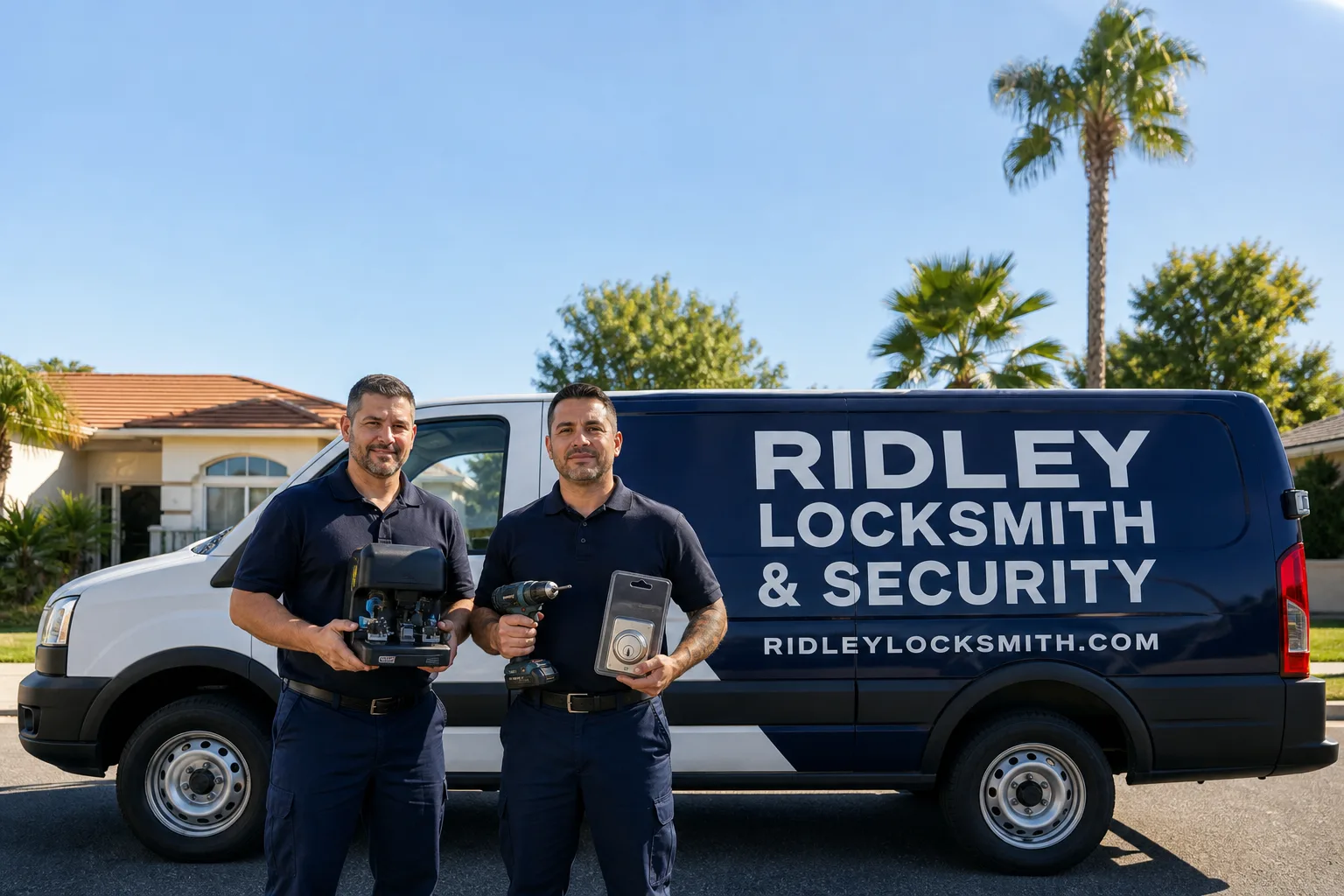
Non-destructive entry first, always - and we re-key Schlage, Kwikset, and Baldwin locks on the spot while you watch
You get a price before we start. It does not change when we arrive. No surprises.
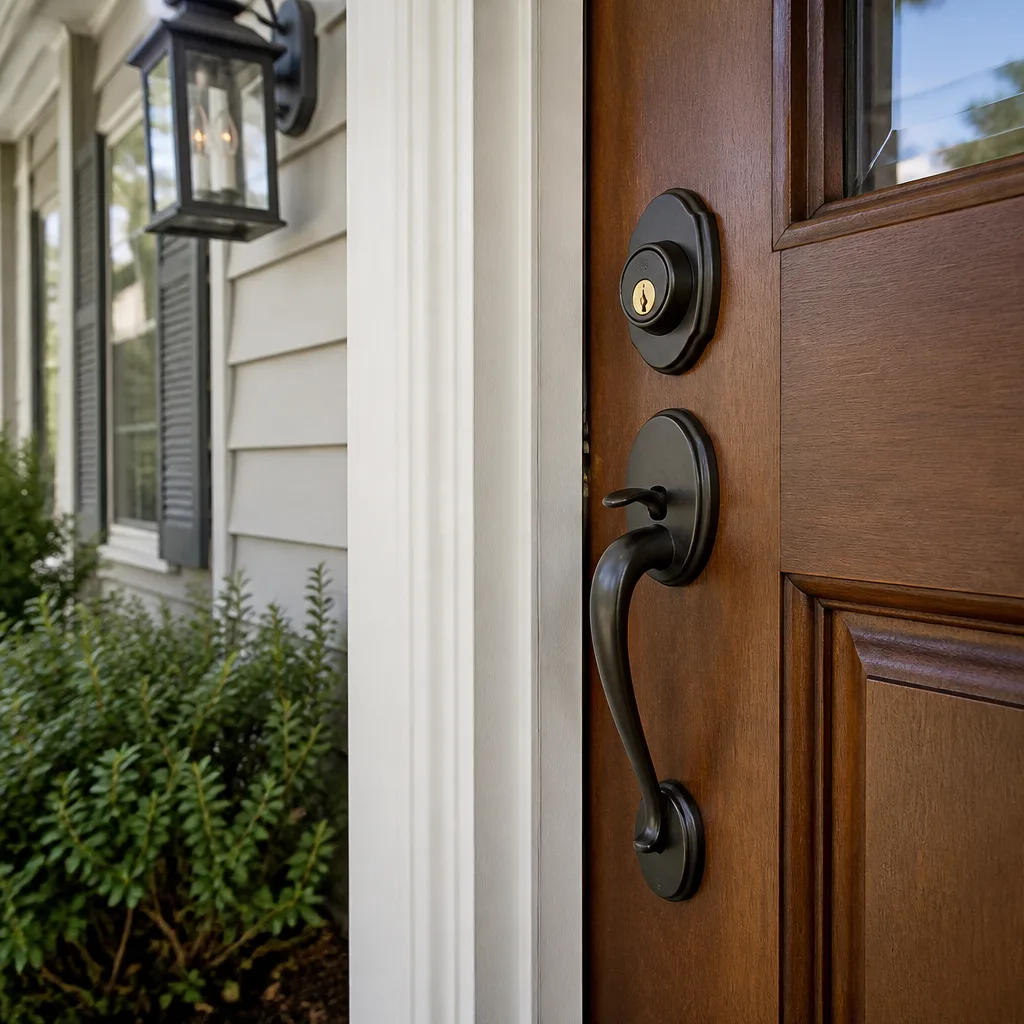
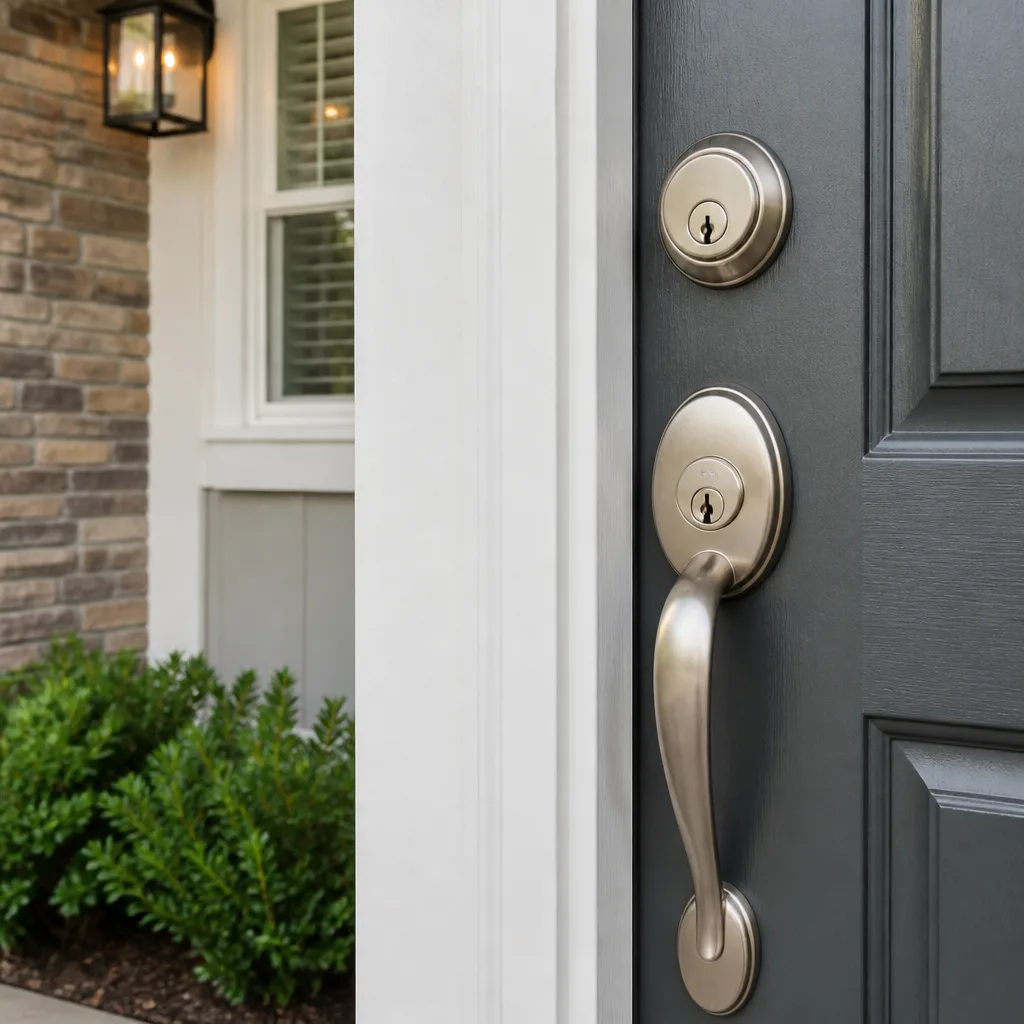
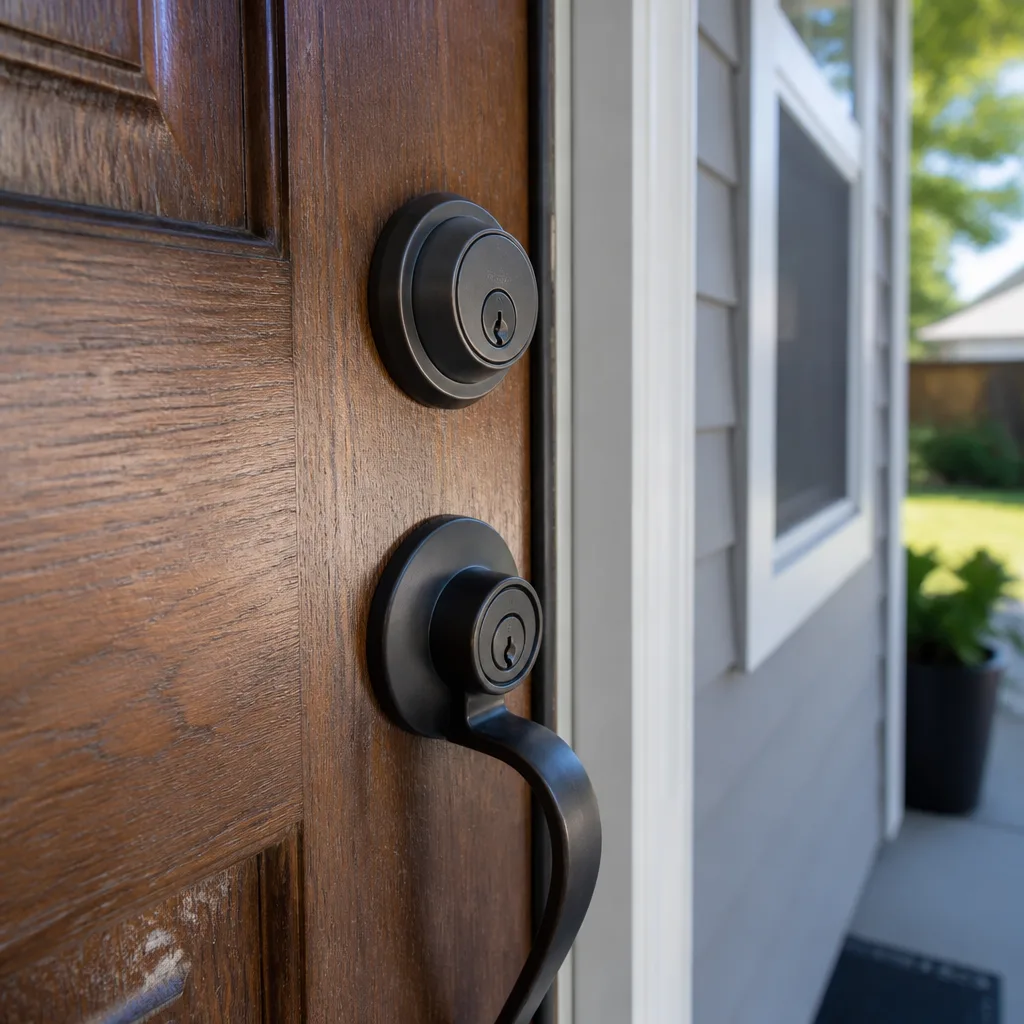
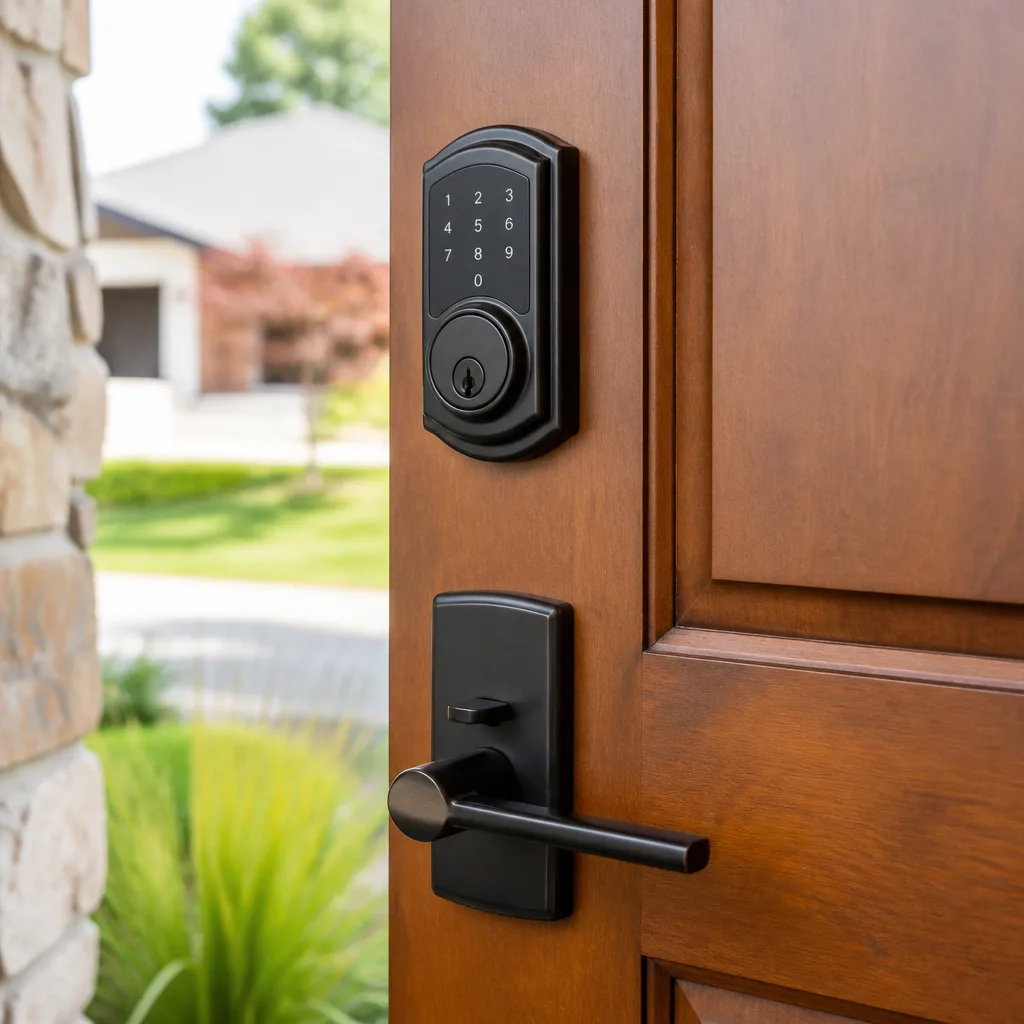
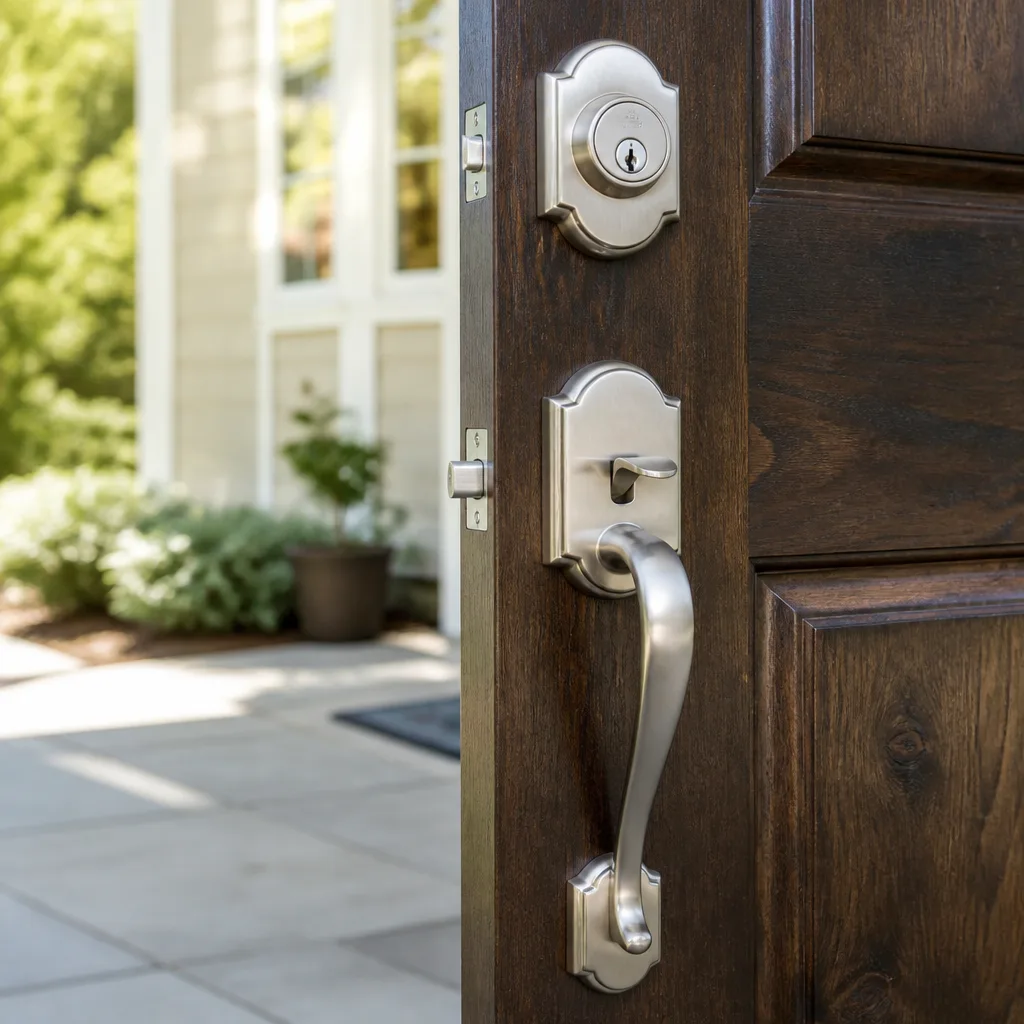
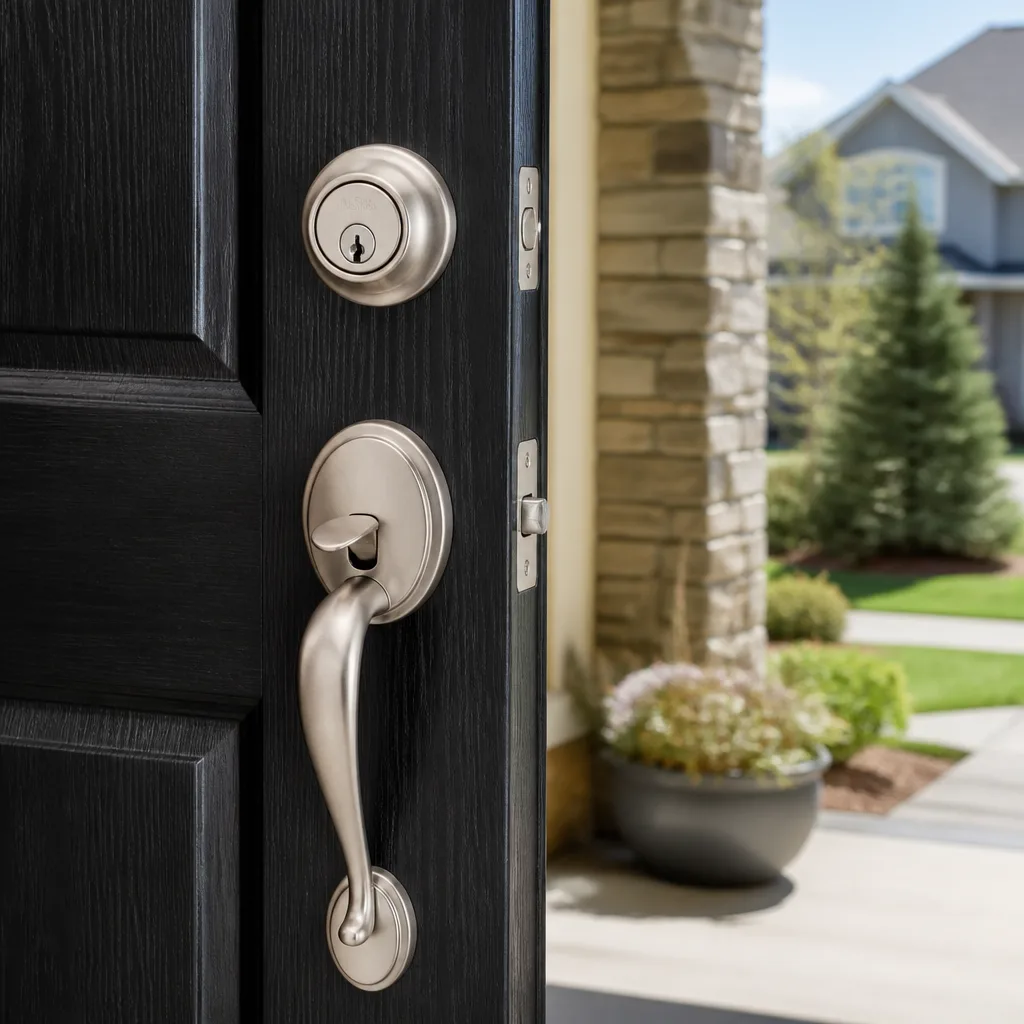
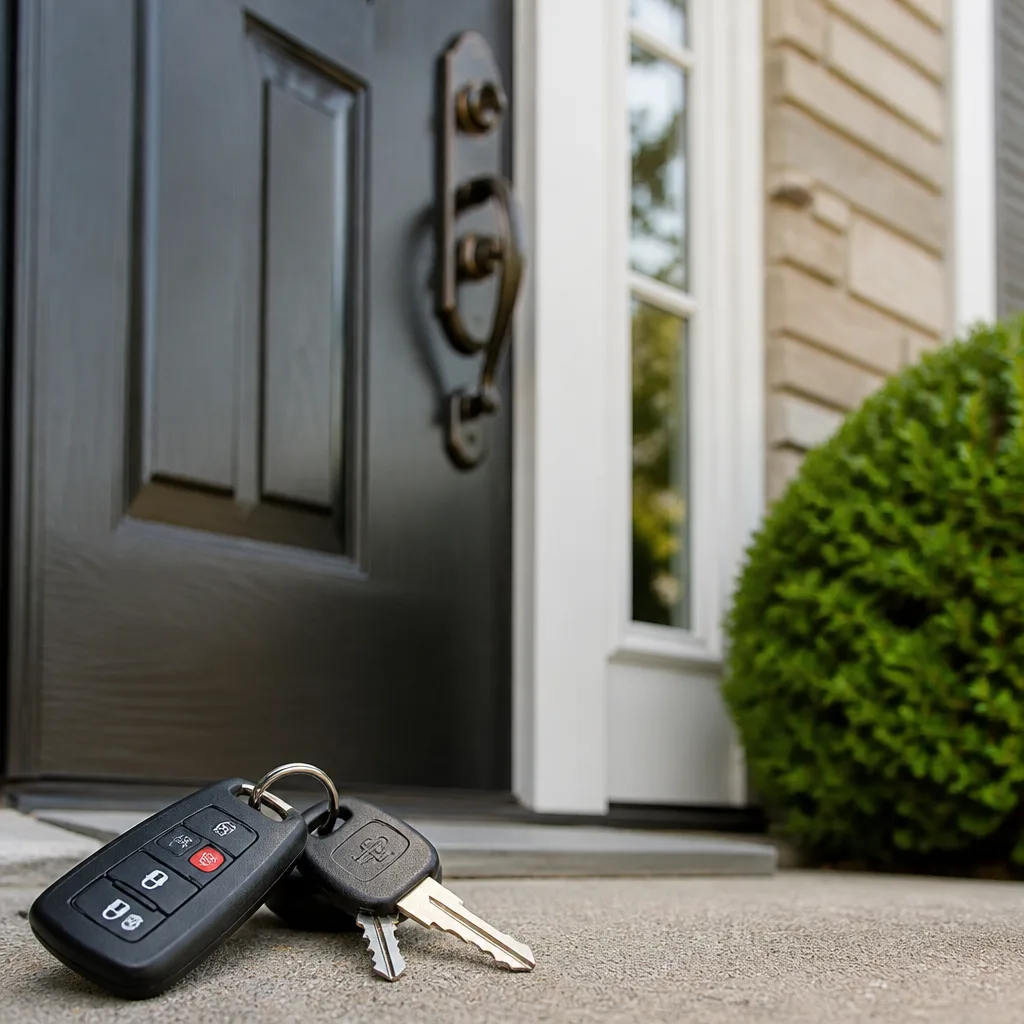
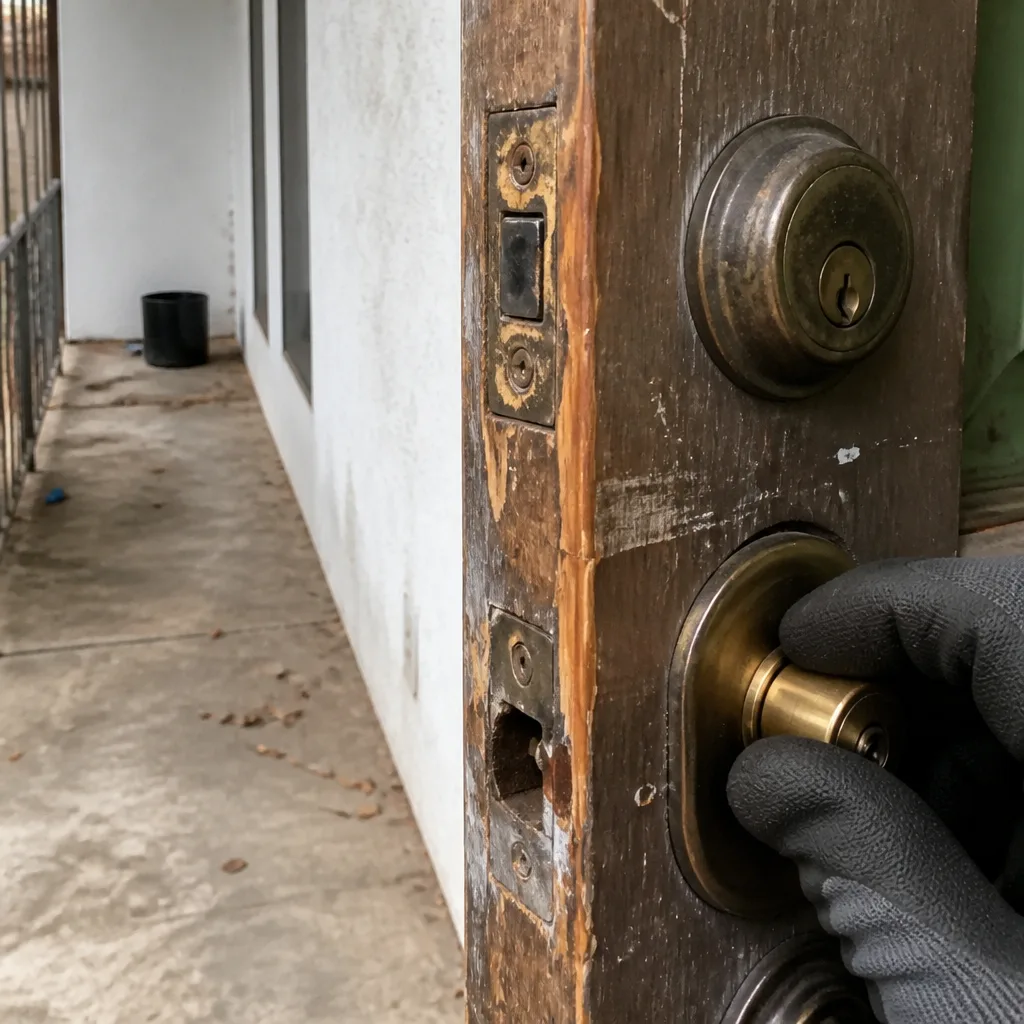 Before
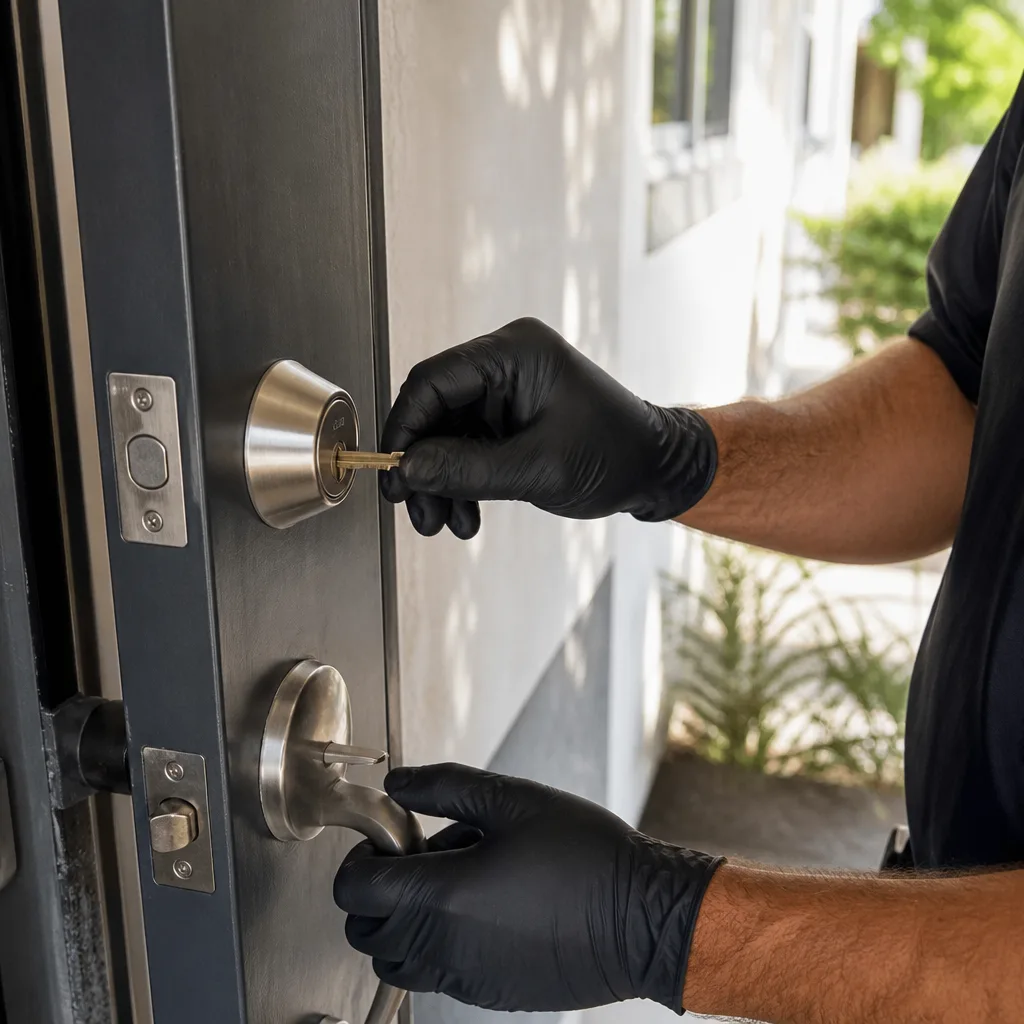 After
AfterKey Turns but the Door Won’t Open
When your key turns in the lock but the door stays shut, the lock itself is usually not the problem – the latch or deadbolt bolt is failing to retract, the strike plate is misaligned, or the cylinder is turning without driving the mechanism. This is a fixable mechanical fault, not a security compromise, but it does mean the door is effectively jammed until a technician diagnoses the root cause.
The good news is that this symptom almost always has a clear mechanical explanation, and a trained locksmith can pinpoint it within a few minutes of arrival. The causes range from routine wear inside the cylinder to a door frame that has shifted with the seasons. None of them require you to force anything – and forcing it is one of the fastest ways to turn a simple repair into a hardware replacement.
Why It Happens
The Deadbolt Bolt Is Not Retracting
Inside a deadbolt, a cam or tailpiece connects the cylinder to the bolt mechanism. When that connection wears, strips, or breaks, the key turns freely – sometimes all the way around – but the bolt never moves. You can tell this is the issue if you can feel the cylinder rotating with no resistance and nothing happens to the bolt itself. It is the lock equivalent of a gear slipping on a bicycle chain.
Strike Plate or Door Frame Misalignment
Doors shift. Wood expands in humidity, frames settle over years, and hinges loosen over thousands of open-and-close cycles. When that happens, the bolt retracts fine inside the cylinder but catches on the edge of the strike plate opening rather than clearing it. The sign here is that the key stops partway through its rotation with noticeable resistance, and you may hear a scraping sound from the door frame rather than the lock.
Worn or Damaged Lock Cylinder
A cylinder that has seen years of use, a forced-entry attempt, or a worn key can develop internal wear that lets the key turn without properly engaging the plug and driving the bolt. If the key turns more loosely than it used to – or spins past the normal stopping point – the cylinder itself is likely the source. On older hardware, especially standard residential Kwikset or Schlage units, this wear pattern is common after years of daily use.
The Latch Bolt Is Binding Against the Keeper
On a standard knob or lever set, the spring-loaded latch is separate from the deadbolt, and it can bind in the keeper plate if the door has sagged or the latch spring has weakened. When this happens, the key turns the knob mechanism correctly but the latch itself does not retract because it is under pressure from the door pressing against the frame. The tell is that the door opens when there is no pressure on it – say, when it is slightly ajar – but refuses when you are pushing or pulling against the frame.
What to Do Right Now
- Stop turning the key hard. Forcing a key against a stuck mechanism can snap the key in the cylinder, which turns a mechanical repair into a key extraction job. Turn gently to confirm the symptom, then leave it.
- Photograph the door gap and the strike plate area. A photo of the gap between the door and the frame, and a close-up of the strike plate, gives a technician useful information before they arrive and can speed diagnosis on site.
- Check whether the door moves at all. Gently push or pull the door while the key is in the turned position. If there is slight movement but it will not swing open, that points toward a strike plate alignment issue rather than an internal cylinder fault.
- Do not try to remove the lock cylinder yourself. On some deadbolts, the cylinder is under significant internal spring tension. Disassembling lock hardware without the right tools and training can make the door inoperable from both sides.
- If you are locked out, stay on the line with us. A live person answers at (956) 275-7388 around the clock, every day of the year. They can walk you through what to observe while your local Ridley Locksmith and Security team is on the way.
How We Fix It
When your local Ridley Locksmith and Security technician arrives, the first thing they do is a hands-on diagnosis – key in the cylinder, door under pressure and off pressure, watching where the movement stops. That usually takes under five minutes and tells them whether the issue is internal to the lock, at the strike plate, or in the door frame itself.
If the cylinder or bolt mechanism has failed, the repair path is residential locksmith service: the technician disassembles the lock, replaces the worn component, and tests the full mechanism before leaving. If the door has shifted and the bolt is catching on the strike plate, they adjust or relocate the plate to match where the bolt is actually landing. In some cases, a rekey is appropriate at the same visit – particularly if the hardware is being partially replaced and you want all locks on the property keyed to the same new key.
Most of these repairs are completed in under an hour. Before any work begins, you receive a written price – the actual number for your specific job – and that is the number on the invoice when the job is done. The repair is covered by the 365-Day Done Right Promise: if it fails within a full year, we come back and make it right at no charge.
Frequently Asked Questions
If the deadbolt bolt is still extended and the door is physically closed, your home is likely secure for the short term – but you should not leave it this way longer than necessary. A door you cannot reliably open or close is a fire-egress problem, and a lock behaving unpredictably is worth resolving before it fails completely and leaves you locked out at an inconvenient hour. Call (956) 275-7388 and your local Ridley team can tell you exactly how urgent the situation is based on what you describe.
Possibly, if the problem is a strike plate that is slightly out of alignment – a homeowner can sometimes widen the keeper opening slightly with a file. But if the issue is inside the cylinder or bolt mechanism, that work requires a disassembly that can go wrong without the right tools. Attempting it can snap internal components and leave the door inoperable from both sides. It is faster and cheaper to call a technician than to recover from a botched self-repair.
Yes. Your local Ridley Locksmith and Security team handles this type of repair on a same-day basis when scheduling allows, and a live person is at (956) 275-7388 right now to confirm availability in your area. We do not run you through a voicemail or an answering service – a real person picks up, hears the situation, and tells you exactly when a technician can be there.
The price you agree to on the phone or at the door – whichever comes first – is the price on the invoice. There is no estimate that moves once a technician is inside. Every job is priced in writing before any work begins, and that written price covers the full scope of what was described. Call (956) 275-7388 for your free written estimate on this specific repair.
Get It Fixed
Call (956) 275-7388 right now – a live person picks up, every hour of every day. Your local Ridley Locksmith and Security team will diagnose the problem, give you a written price before touching anything, and get the door working again – backed by the 365-Day Done Right Promise.
Written by Drew Kowalski, Owner at Ridley Locksmith and Security, part of the Garrison Partners family since 2007.
What Our Customers Say
"Rekey on a small office building, five doors. Done in under an hour and the keys are labeled."
- Hugo M."Replaced a broken handle set and matched the finish. No upsell."
- Leon W."Upgraded to grade 1 deadbolts and reinforced the door frames with strike plates and longer screws. Feels solid."
- Nate P.