
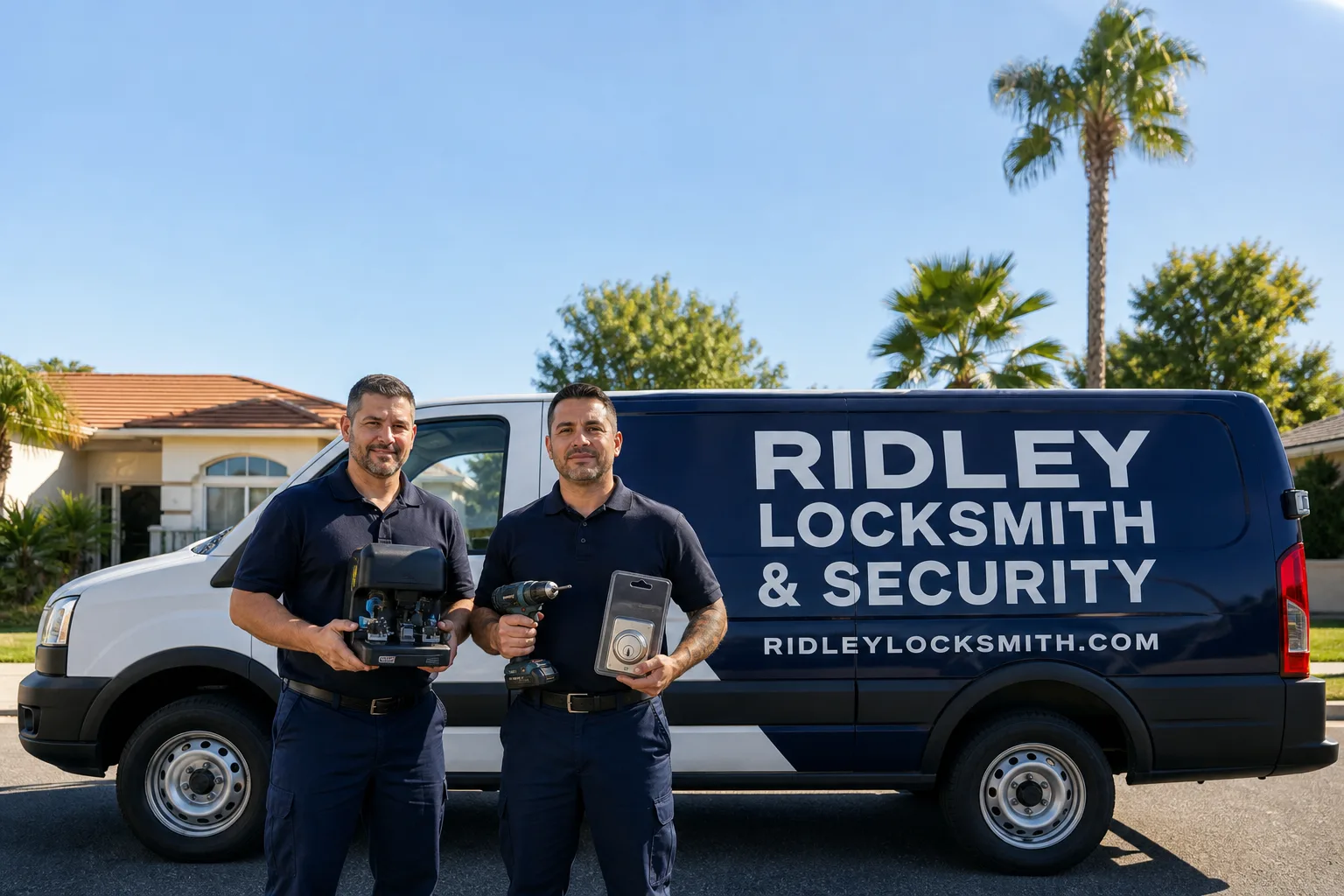
Non-destructive entry first, always - and we re-key Schlage, Kwikset, and Baldwin locks on the spot while you watch
You get a price before we start. It does not change when we arrive. No surprises.
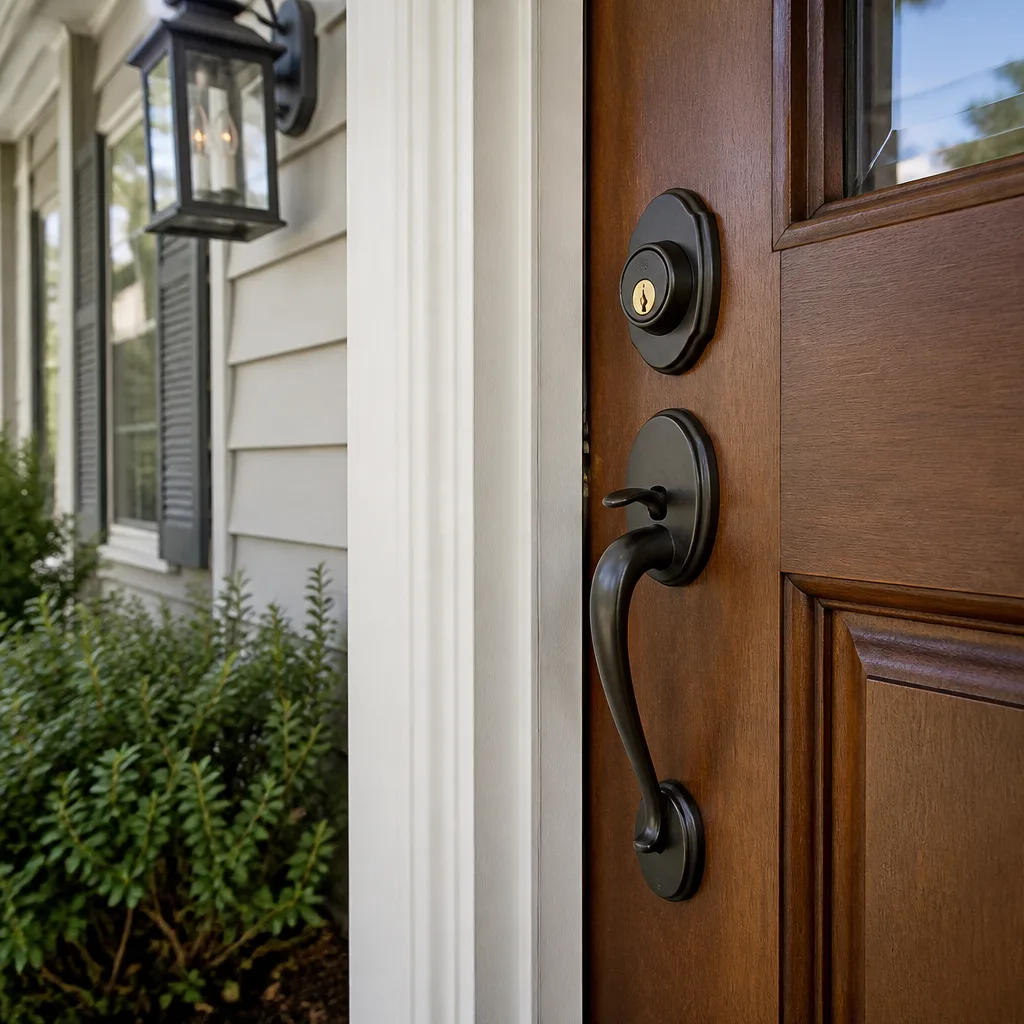
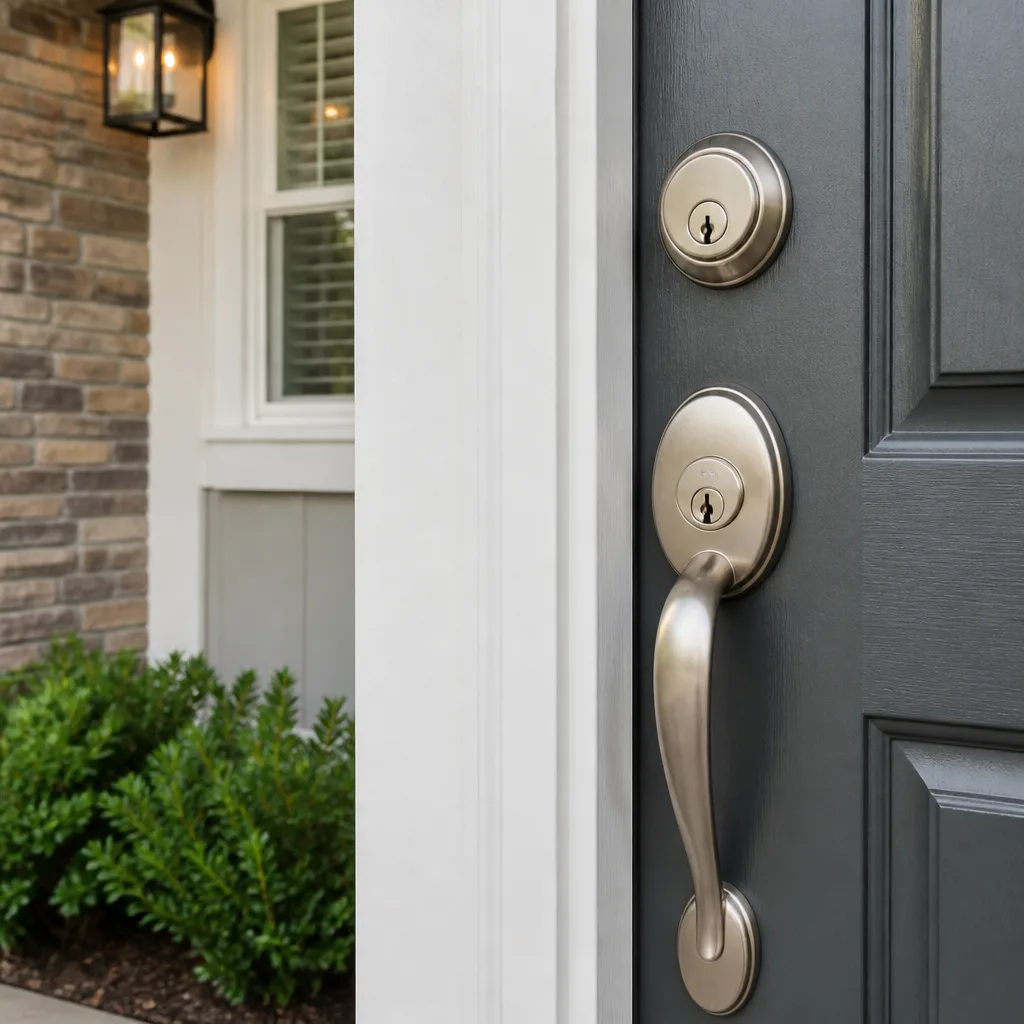
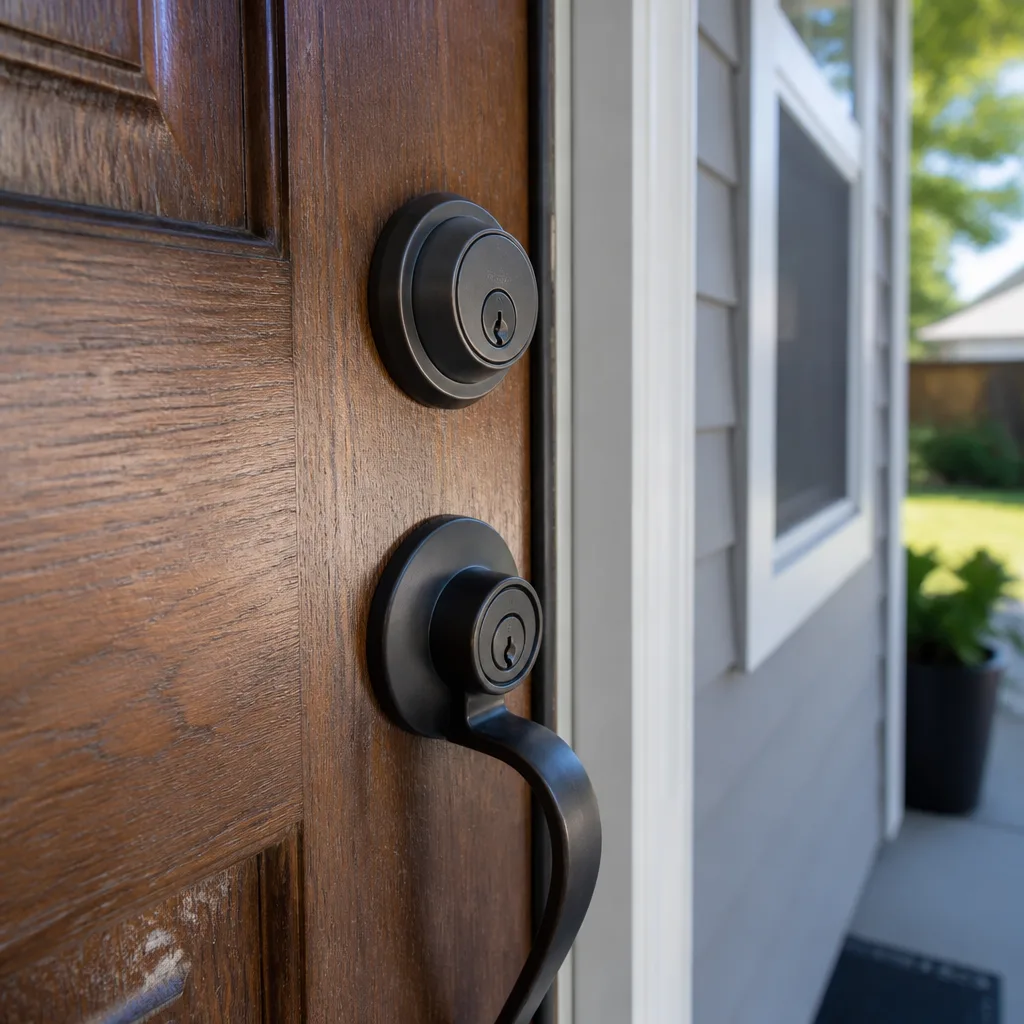
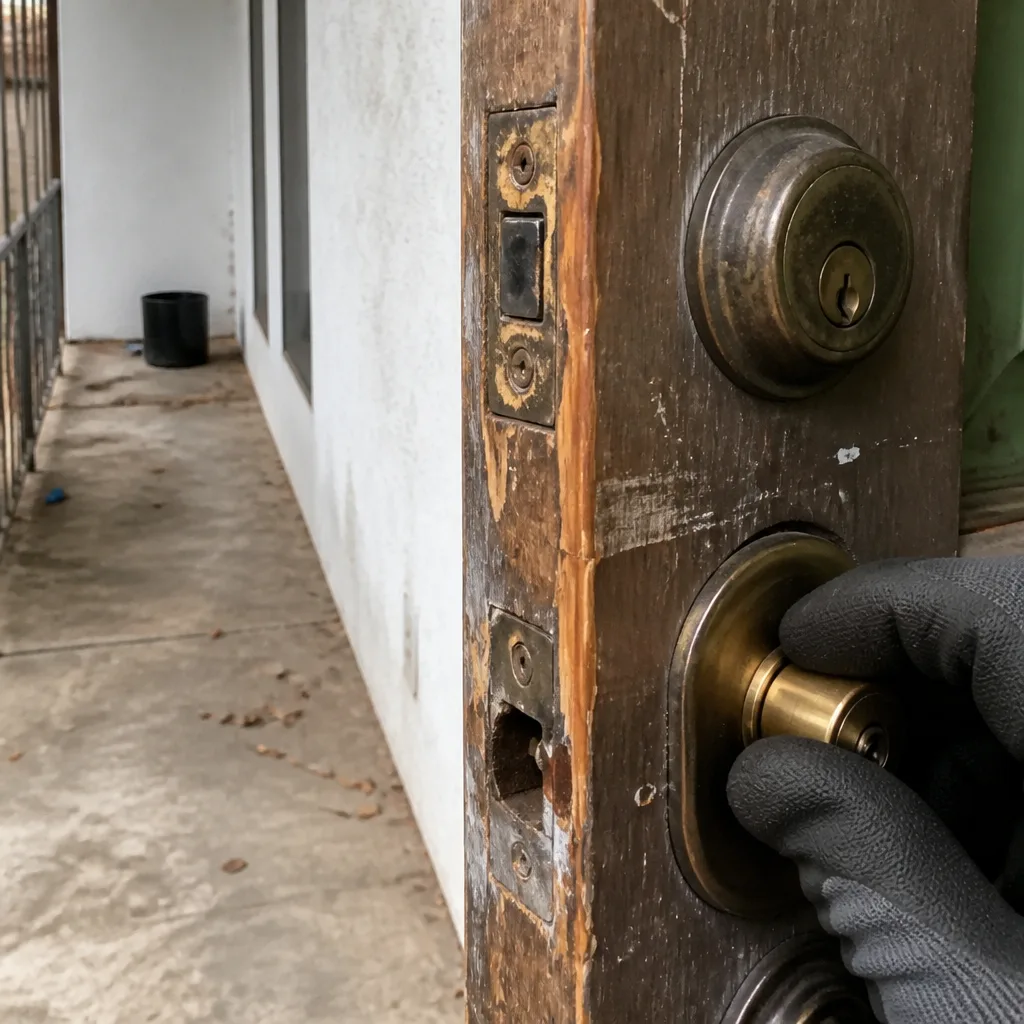 Before
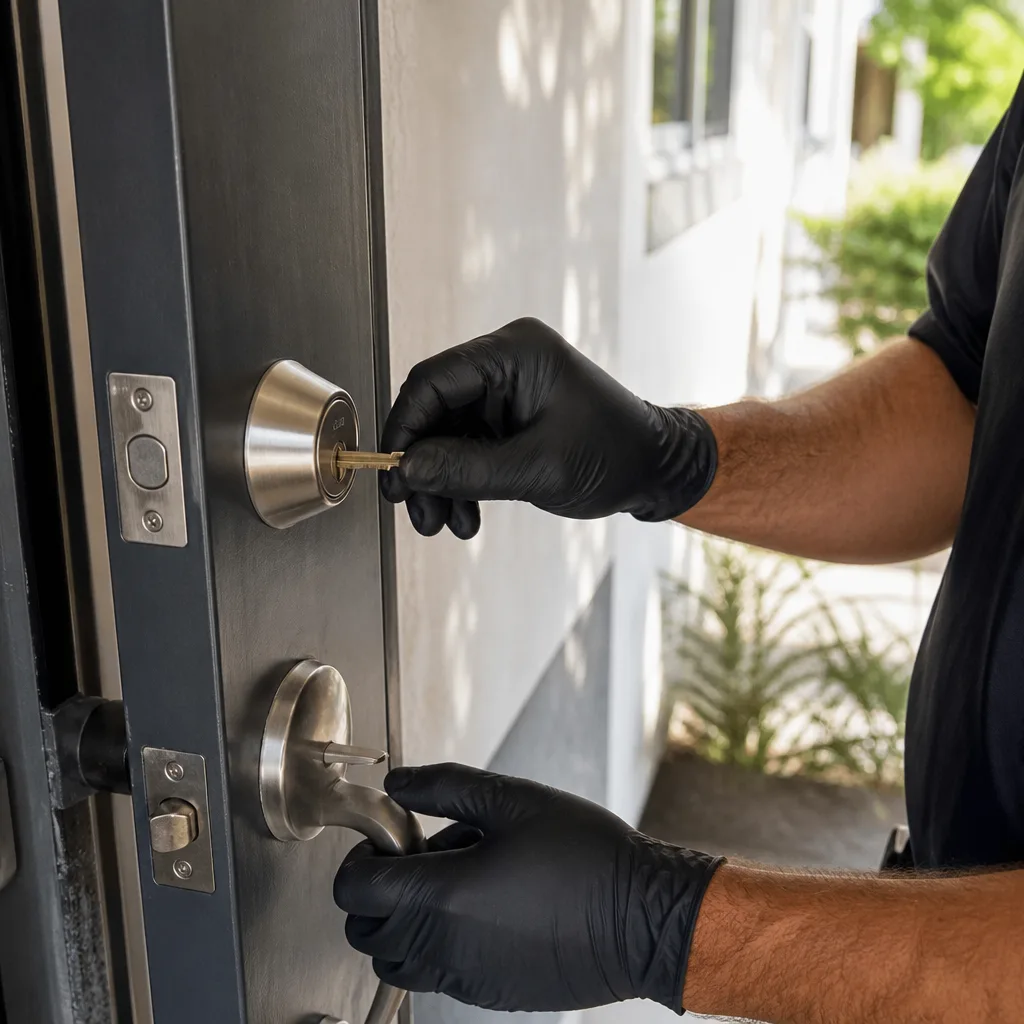 After
AfterLocked out of the house
What’s Happening
Being locked out of your house almost always comes down to one of three things: a key that broke or was lost, a lock that stopped working mechanically, or a deadbolt that will not retract because something inside the cylinder has failed. In most cases, your local Ridley Locksmith & Security team can get you back inside the same day without damaging the door or the hardware.
A lockout is not always just a missing key. Sometimes the lock itself is the problem – a worn cylinder, a frozen keyway, or a deadbolt that has shifted in the door frame and will no longer align. Knowing which one you are dealing with helps the technician arrive with the right tools and, in a lot of cases, speeds up the whole job. The sections below walk through what each cause looks like from the outside, so you can give us a useful description when you call and we can get to you prepared.
Why It Happens
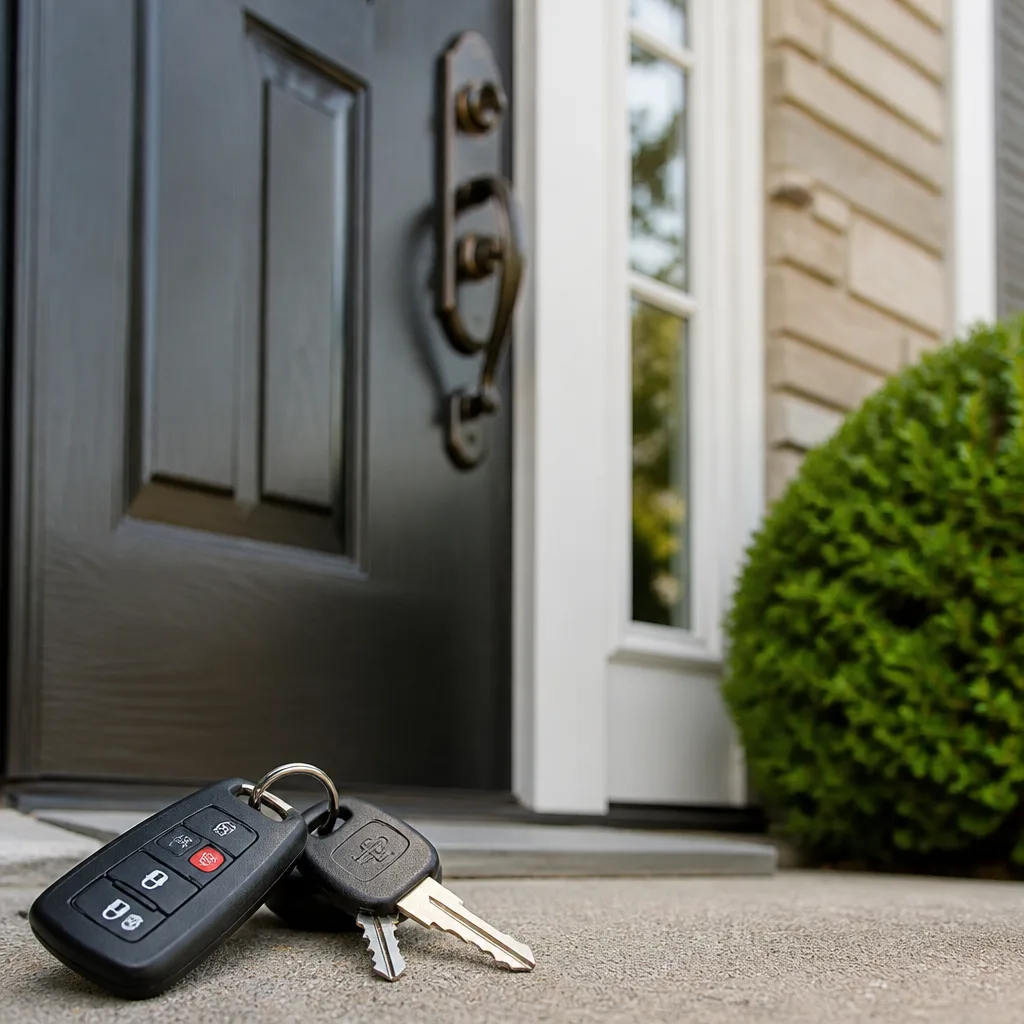
You lost your key or left it inside
This is the most common reason people end up standing on their own front porch. The lock is working fine – you just don’t have the key that runs it. You’ll notice this one immediately: the keyway is clear, there’s no resistance in the knob or lever, and the door is simply latched or deadbolted from the inside. A technician can pick or bypass the lock non-destructively, or if you’d prefer to prevent the lost key from being used if it turns up somewhere, rekeying the lock immediately after is worth considering.
The key broke off inside the cylinder
Keys break at the shoulder – the narrow point just above the bow, where metal fatigue builds up after years of use. If you felt or heard a snap when you were turning the key, there’s a good chance the broken half is seated in the keyway right now. Do not try to pull it out with pliers or push it deeper with another key – both moves tend to make extraction harder. A technician has plug followers and broken key extractors designed specifically for this, and in most cases the cylinder does not need to be replaced.
The lock cylinder is worn or damaged
Cylinders wear out. The internal pins get rounded, springs weaken, and eventually the plug stops turning reliably even with the correct key. You’ll usually notice this one building over time: the key starts feeling stiff, you have to jiggle it more than you used to, or you have to lift the door handle at a specific angle to get it to turn. When it finally stops working altogether, it can feel sudden – but the wear has been accumulating for a while. A technician will inspect the cylinder and tell you whether it can be rekeyed or needs to be replaced.
The deadbolt or latch bolt is misaligned with the strike plate
Doors shift with the seasons. Wood expands in humidity and contracts in cold, and over time the door frame moves just enough that the bolt no longer lines up with the hole in the strike plate. From the outside, this one looks like the key turns but the door won’t open – the bolt is moving but hitting the frame instead of clearing it. You may be able to see scoring or scratch marks on the edge of the strike plate. This is a mechanical fix, not a cylinder issue, and it often takes less time than a full rekey.
What to Do Right Now
- Stop forcing it. If the key is not turning, applying more torque will either snap the key or damage the cylinder pins. Both outcomes make the job more expensive and take longer to fix.
- Check every door and window before you do anything else. Back door, garage side door, basement windows. Not to force entry – just to see whether something was left unlocked. Do a full loop before you call.
- If a key broke off, photograph the keyway before touching it. A clear photo of how deep the broken piece is seated helps the technician confirm which extractor to bring to the door.
- Do not use a credit card, a bobby pin, or a YouTube tutorial on the lock. Lock picking requires specific tools and trained hands. Improvised tools scratch the keyway, damage the pins, and occasionally get stuck inside the plug themselves.
- If you can see that the door frame itself is cracked or that the deadbolt housing looks forced or bent, do not attempt to open it yourself. A compromised frame can mean the door is no longer secure even once it’s open – that’s a conversation to have with the technician on arrival so the repair addresses the whole problem, not just the lockout.
How We Fix It
When your local Ridley Locksmith & Security technician arrives, the first thing they do is assess the lock and the door before any tools come out. They’ll ask what happened, look at the cylinder, check the deadbolt alignment, and – if a key broke – confirm where the broken piece is seated. That assessment takes a few minutes and it shapes everything that follows.
Once they know what they’re dealing with, they’ll put a written price in front of you. That price is the price – it does not change when the work starts, and it is the same number on the invoice when the job is done. No call-out surcharge, no surprise fees at the door.
The fix itself is a residential locksmith service. Depending on what the assessment finds, it may include non-destructive entry, broken key extraction, cylinder service, or – if you want to prevent lost keys from being a future security risk – a rekey of the lock while the technician is already there. Most lockouts resolve in under an hour. The repair is covered by the 365-Day Done Right Promise: if something is not right inside a full year, we come back and make it right at no charge, backed by a written guarantee – not a verbal one.
Frequently Asked Questions
A standard lockout – lost key, broken key, worn cylinder – does not usually mean your home has been compromised. But if the lock or door frame shows signs of forced entry, or if you’re unsure how your key went missing, that changes the calculation. In those cases, rekeying the lock immediately after you’re back inside is the right move, because any key that’s out there will no longer work once the internal pins have been changed. Call (956) 275-7388 and tell us what you’re seeing – we’ll help you figure out the right level of response.
Yes. A live person answers at (956) 275-7388 around the clock, every day of the year – not a voicemail, not an answering service. Your local Ridley team handles residential lockouts as a priority call. Call us now and we’ll give you a real arrival window, not a vague estimate.
Drilling is a last resort, and in most residential lockouts it is not necessary. Trained technicians carry the tools and have the skills to open standard residential locks – Schlage, Kwikset, Yale, Baldwin – non-destructively in the large majority of cases. If the lock is damaged, corroded, or has been tampered with to the point where non-destructive entry is not possible, the technician will tell you that before drilling anything, and the written price will reflect it.
The honest answer is that it depends on the lock type, what’s wrong with it, and whether any additional work – like a rekey – makes sense once you’re back inside. What we can tell you is that you’ll receive a written price before any work starts, it will not move when the job begins, and there is no call-out fee added at the door. Call (956) 275-7388 for a free quote – we’ll ask a few quick questions about your lock and give you a real number before anyone is dispatched.
Get It Fixed
Call (956) 275-7388 right now – a live person picks up, day or night, every day of the year. Your local Ridley Locksmith & Security team will give you an arrival window, put the price in writing before anything starts, and back the work for a full year.
Written by Drew Kowalski, Owner at Ridley Locksmith & Security, serving communities nationwide as part of the Garrison Partners family since 2007.
What Our Customers Say
"Rekeyed all the doors in our new house. Locksmith was prompt, in uniform, and efficient. Veteran-owned and ran the job like a drill."
- Gary T."Deadbolt was loose and the strike plate was off. Fixed both and the door locks smoothly again."
- Pam S."Rekey on a small office building, five doors. Done in under an hour and the keys are labeled."
- Hugo M.